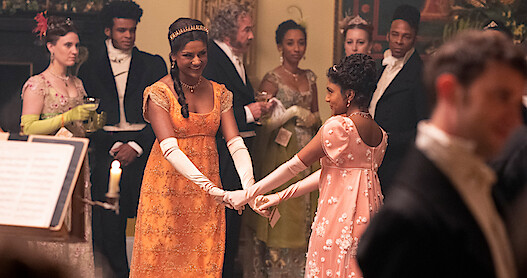
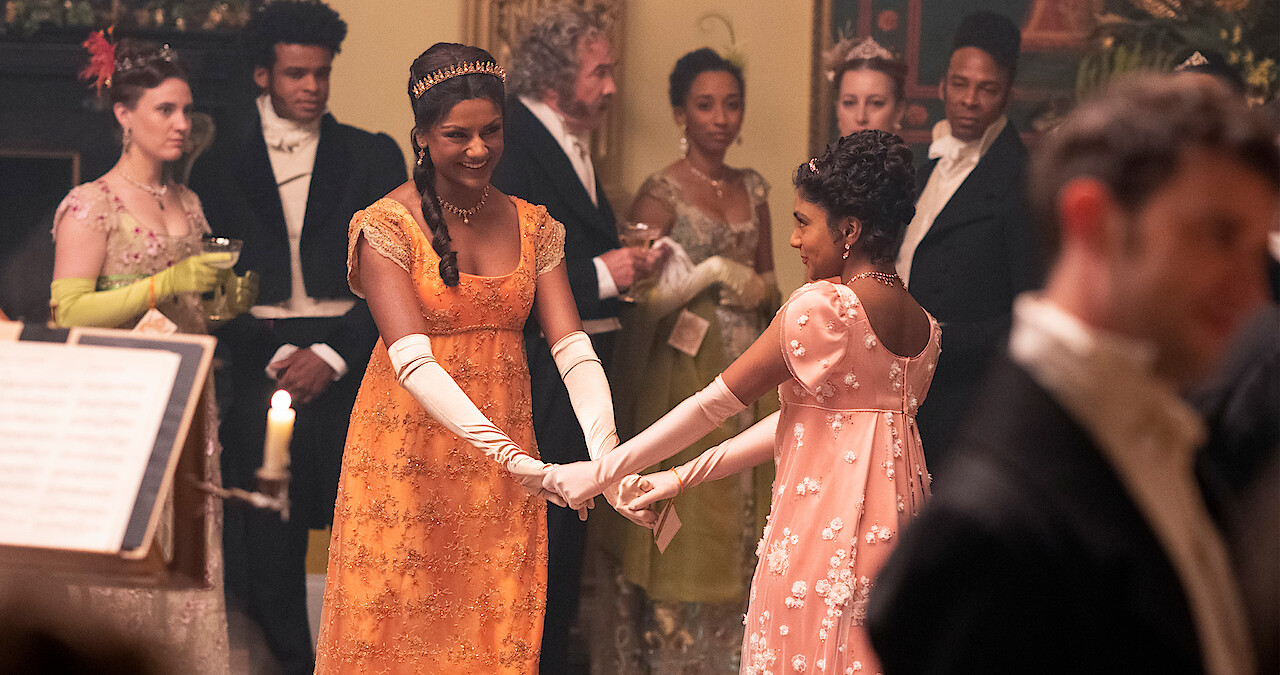
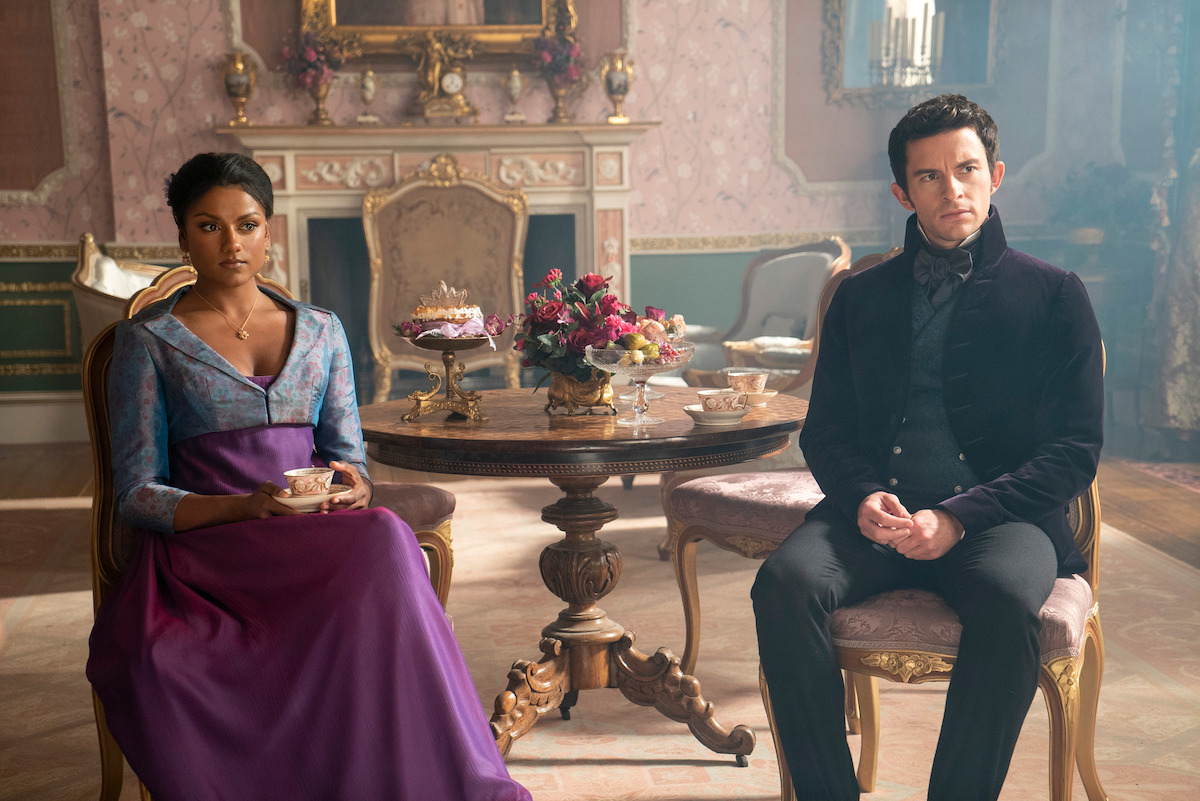
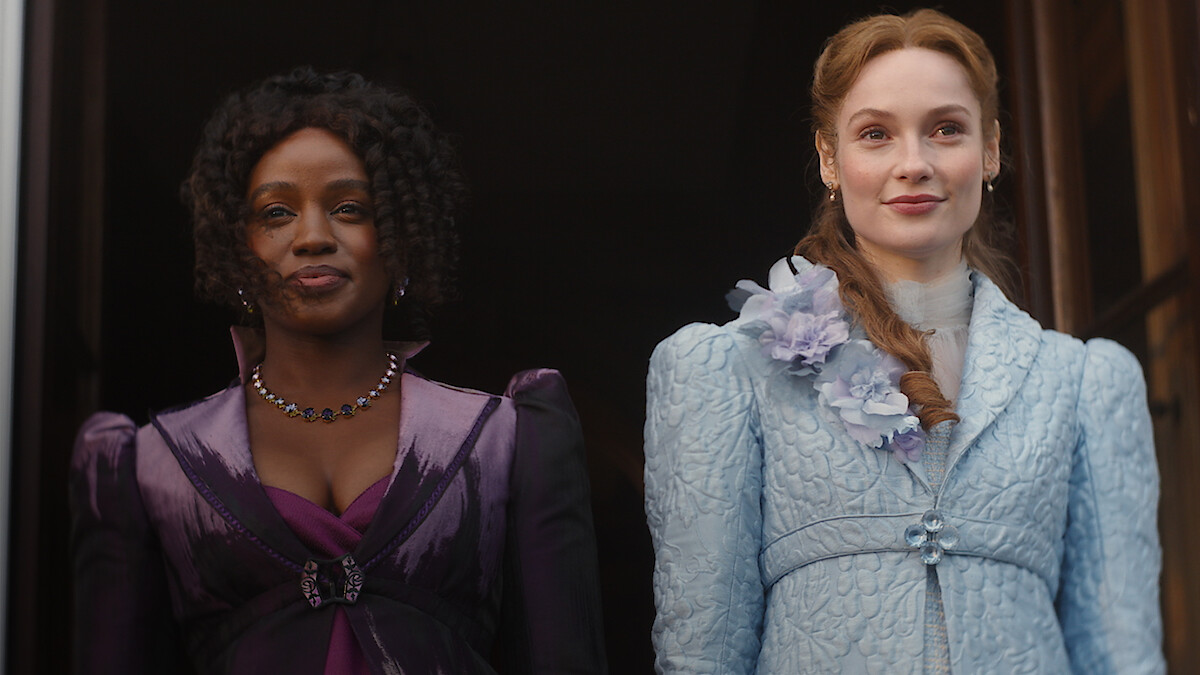
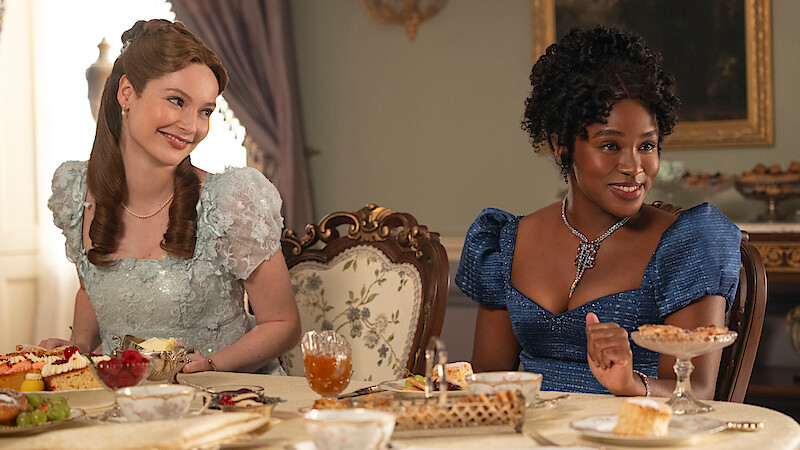
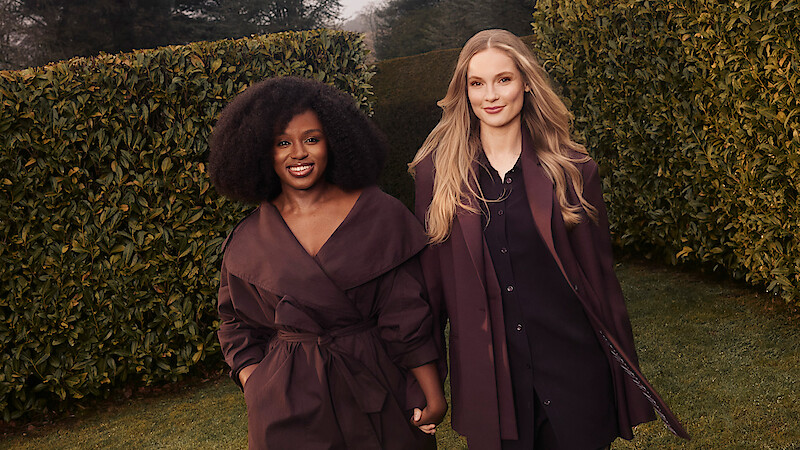
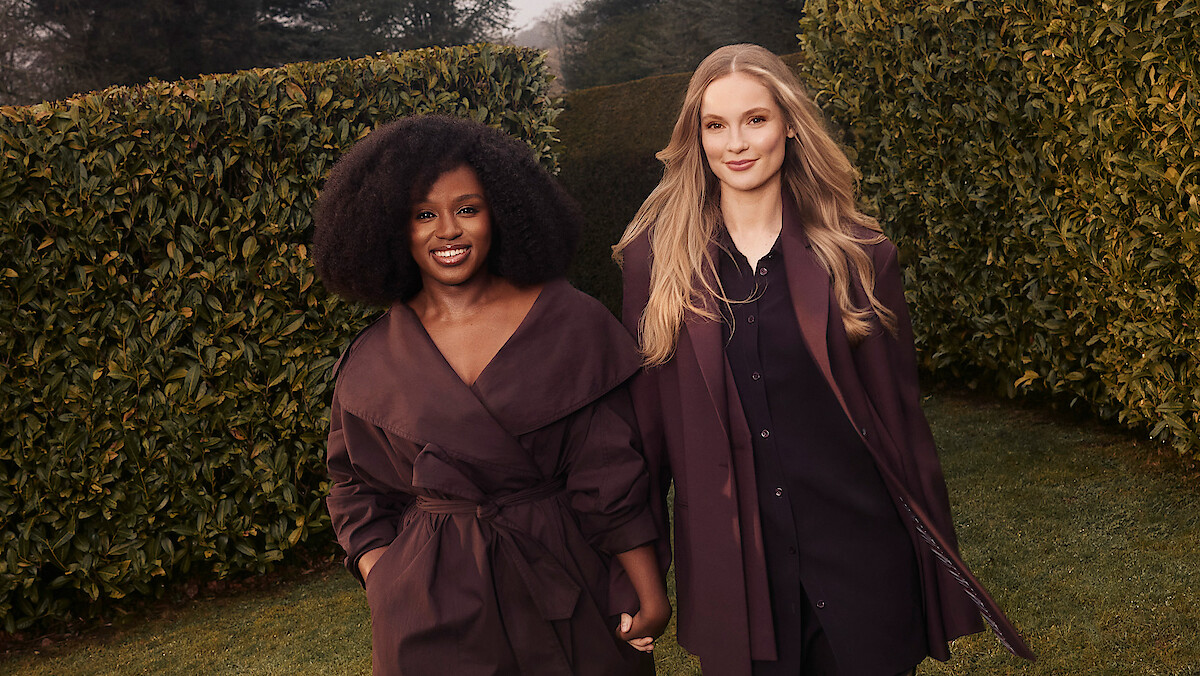
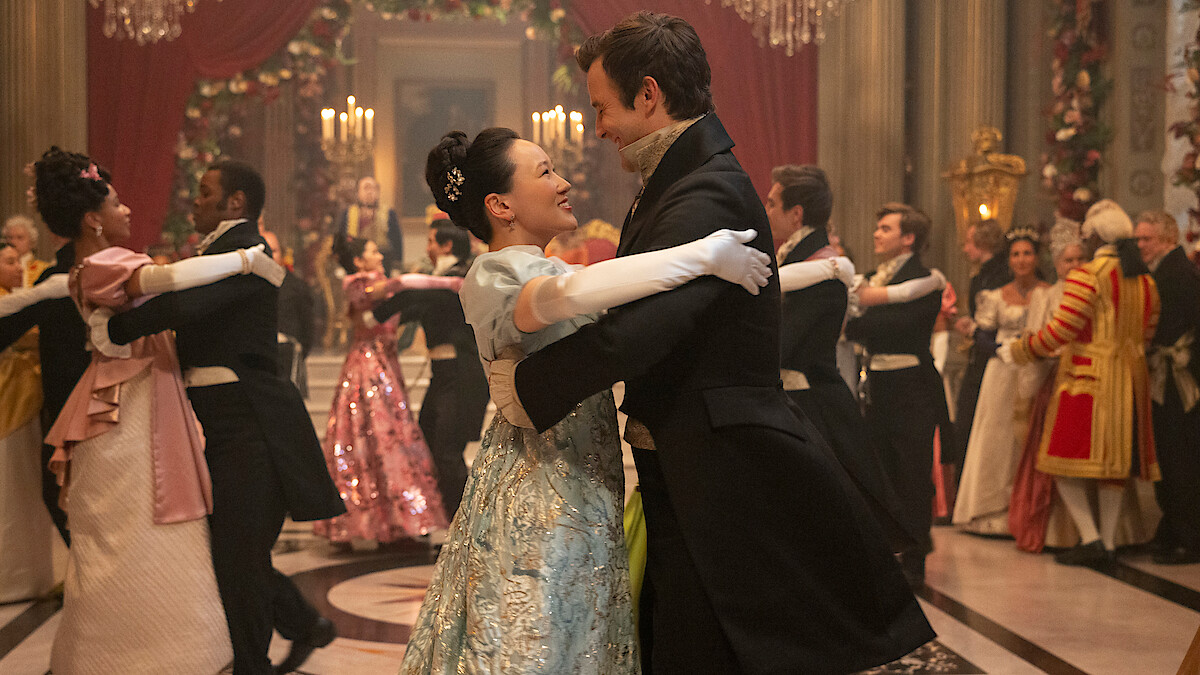
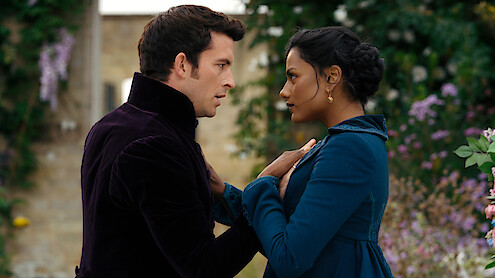
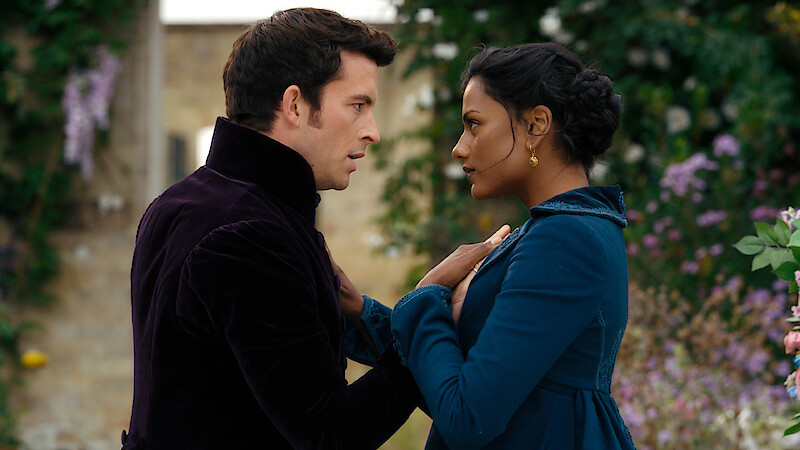
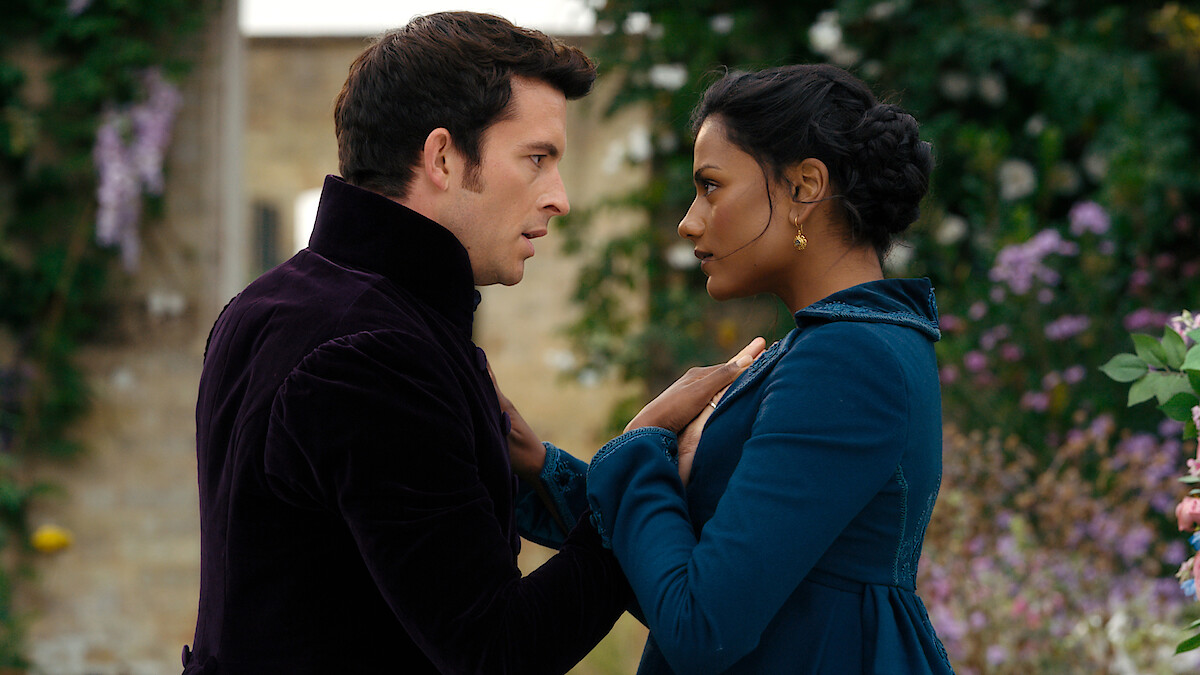
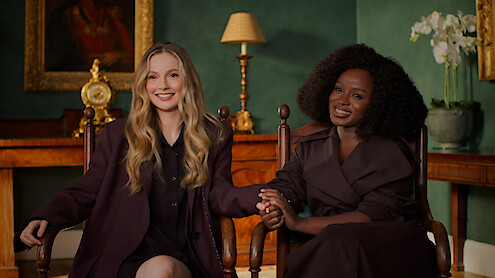
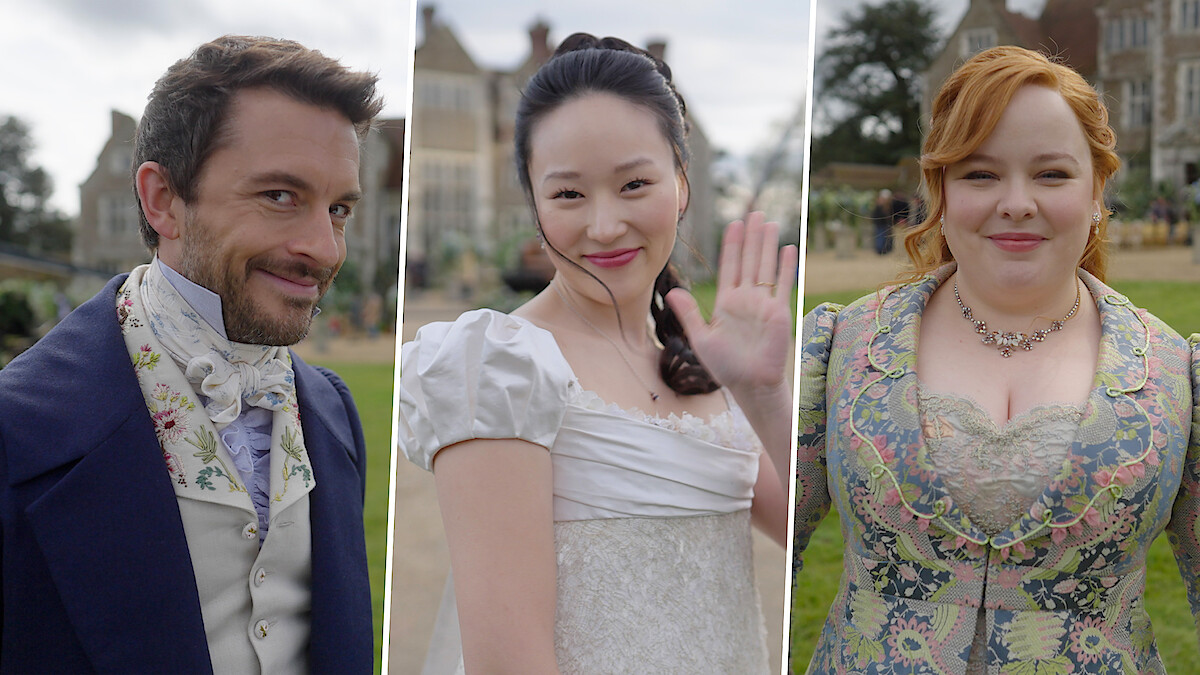
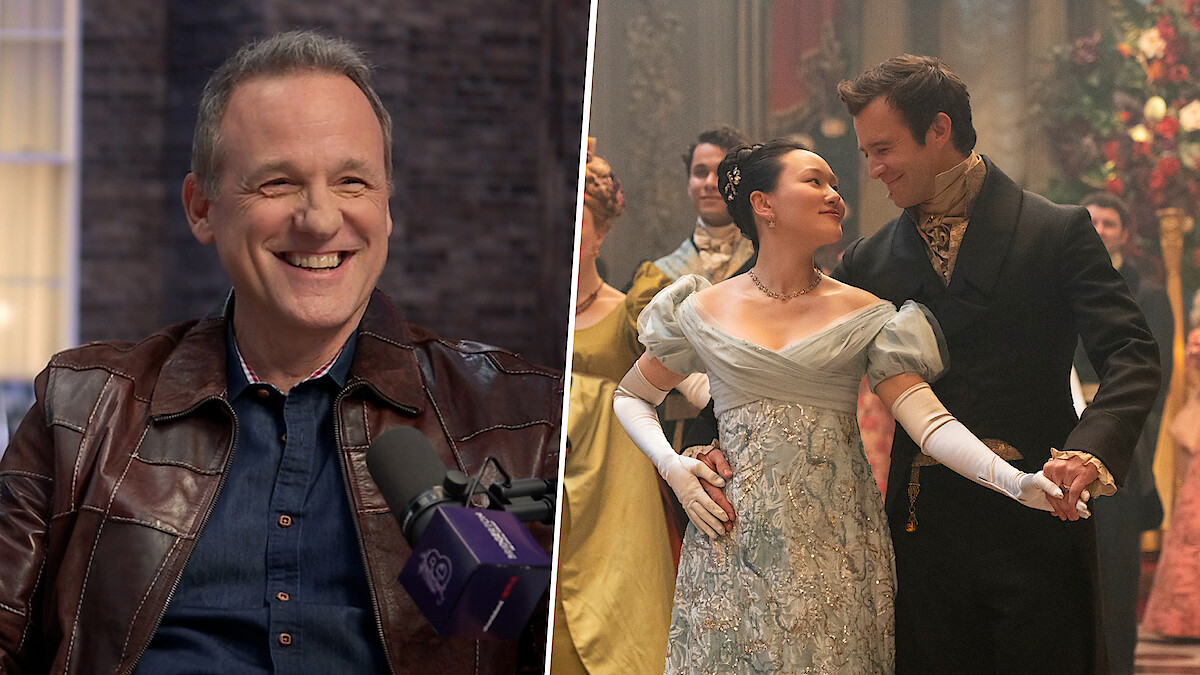
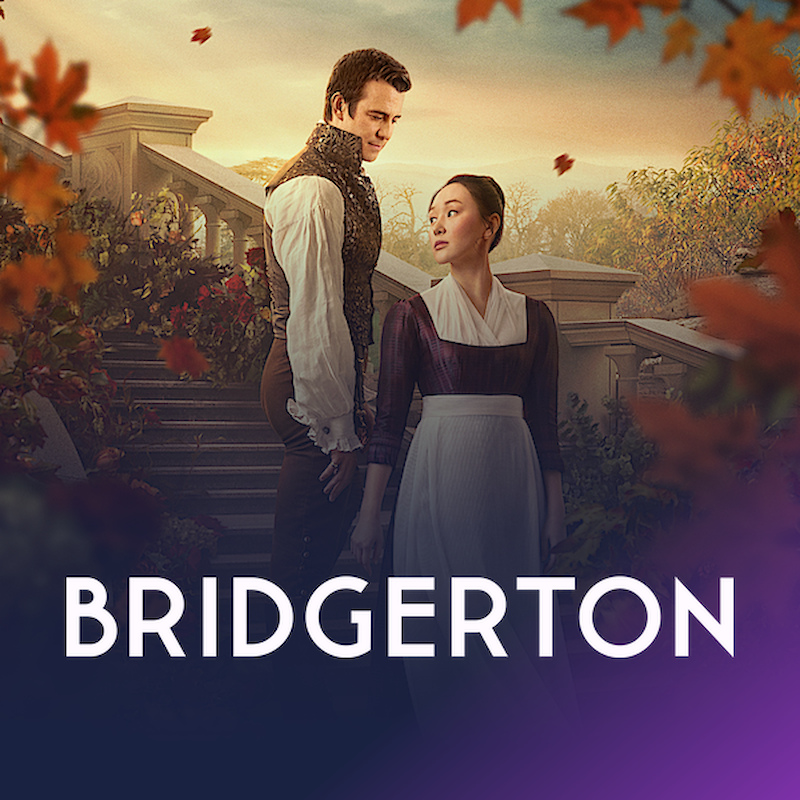
In Julia Quinn’s Bridgerton novels, Kate Sheffield is introduced in the second book, The Viscount Who Loved Me, as the protective older half-sister of Edwina, a white woman with buttery blond hair and blue eyes. Edwina and Kate, who is described as a brunette, arrive in London for the season to secure Edwina a noble husband, but Kate begins dabbling in some love shenanigans herself. The women who appear on screen in Bridgerton Season 2 couldn’t be more different than those described in the books. Our two leading ladies are of South Asian descent, and their last name is Sharma rather than Sheffield.
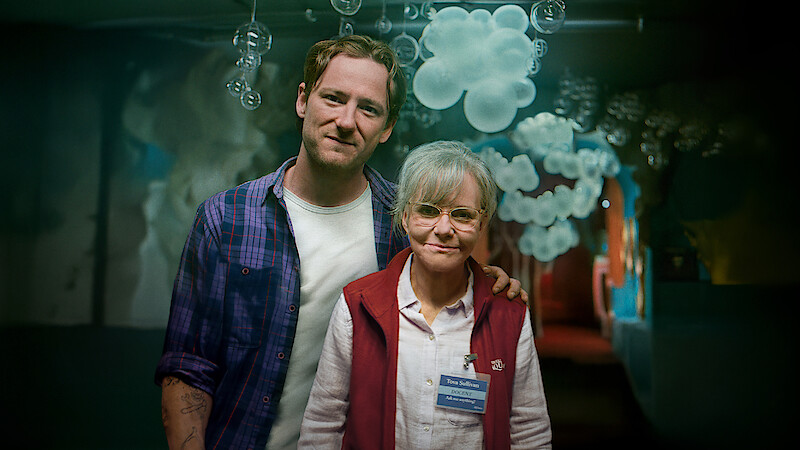
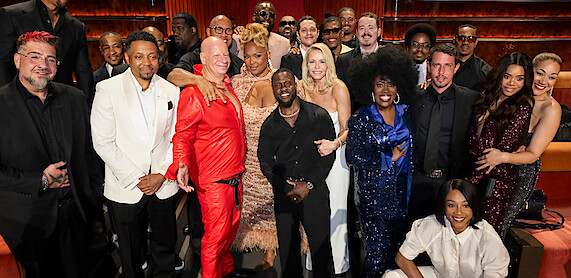
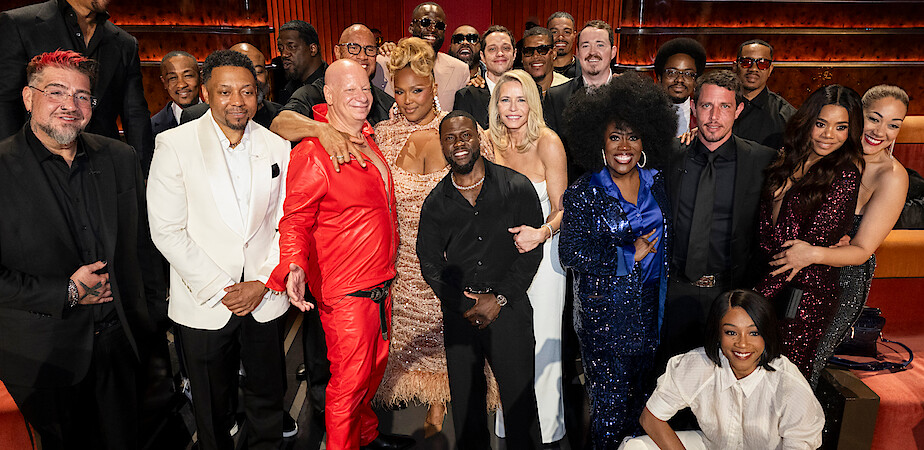
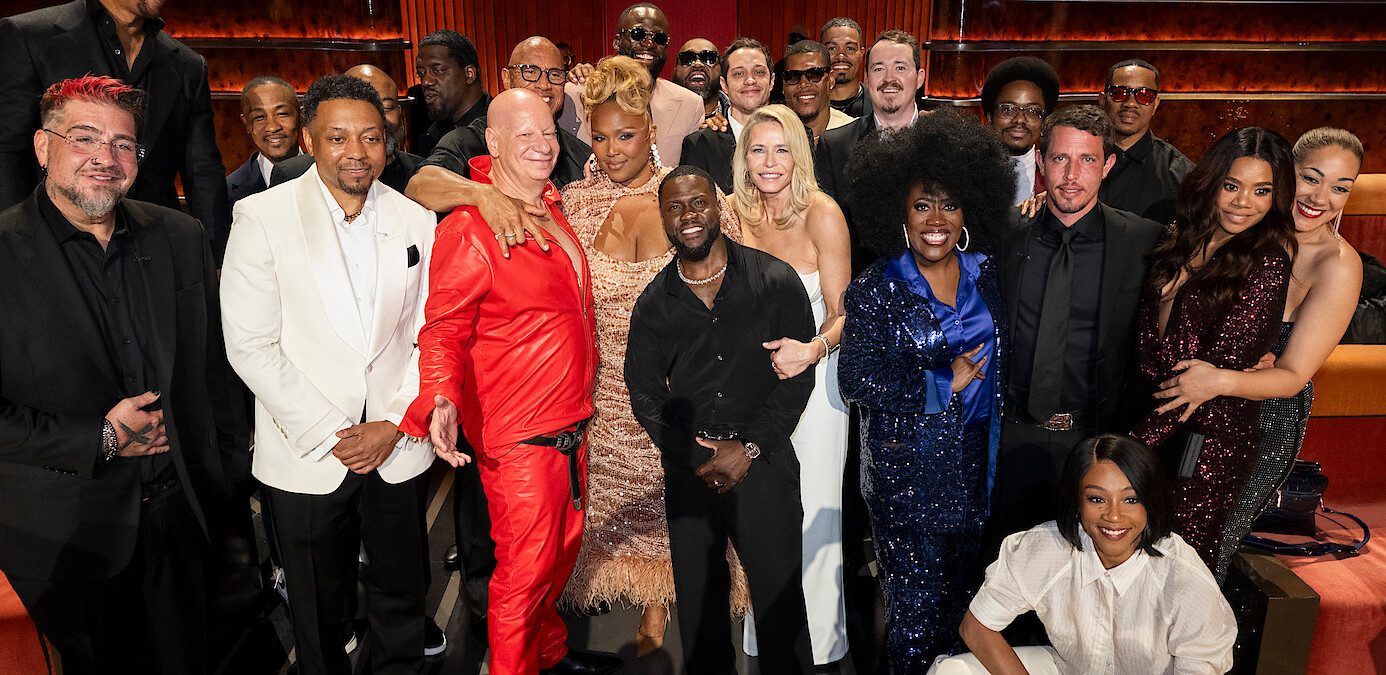
During the Regency period, there were nearly 50,000 South Asians residing in the United Kingdom, so the Sharma storyline echoes a real-life history with significant cultural meaning. As Punam Patel, star of Netflix’s Special, told Tudum at a celebratory Bridgerton dinner, “Genre and period pieces have been used as an excuse to keep a cast predominantly white for a really long time.” Patel credits Shonda Rhimes — who said she wanted Bridgerton’s world to feel “as three-dimensional as possible” — for putting those often marginalized heroines front and center in the Regency era. “It’s still believable because, guess what? We did exist during that time. It’s not like we just emerged all of a sudden,” Patel continues. “It just shows that not only is it possible, but that it makes a show richer, more vibrant and more interesting.”
As for their clothing, Season 2 costume designer Sophie Canale says that introducing the Sharmas made the process of designing the season’s looks even more meaningful. “I traveled in India, I traveled in Sri Lanka, so I’m absolutely fascinated by textiles, and I’ve been very fortunate to travel in textile mills across India,” Canale tells Tudum. “Bridgerton is colorful, but bringing an Indian family in as well really brought a different color tone — and also being able to use silks that you [wouldn’t] necessarily use because of the Indian patterns.”
So here’s your handy guide to all those other vibrant moments in Bridgerton Season 2 that celebrate South Asian culture.
Words and sitars
In the first episode, Kate tells Lady Danbury (Adjoa Andoh) that Edwina speaks Marathi and Hindustani and plays the sitar and murli. Marathi is the official language of the state of Maharashtra (where the Sharmas reside), while Hindustani, a language that originated before the India-Pakistan partition and has evolved into present day Hindi or Urdu, is India’s official language. India is home to more than 19,000 languages and dialects, so it’s not surprising that Edwina speaks two of the most spoken languages.
The sitar, a foundational Indian string instrument, has a distinct vibrational sound. The murli, which is similar to a flute, is crafted from a wild fruit. Both instruments are used in Indian classical music that dates back to as early as the seventh century, and they’re still widely played today. In fact, Indian snake charmers play the murli to get cobras to dance.
Kate spills the real tea… about English tea.
Chai, which literally means tea in English, might be the one thing Desis can’t live without; it runs through our veins. Chai is a love language that unifies, warms, soothes and connects us. Having someone over for a cup of chai with biscuits is a way to make people feel welcome. In Bridgerton, Kate takes not one but two jabs at English tea, once with Lady Danbury in the first episode and then again in the second episode with Lord Dorset. She tells him how much she misses India at tea time, calling English tea pitiful and saying she despises it. “The idea that they are from another culture, we weave that into the story in a wonderful way to enhance the idea that the very English values of our characters are not necessarily the only values worth having,” Rhimes says. “That’s reflected in Kate’s reaction to English tea.”
The Sharma sisters’ bright color palette tells the story of their lives.
Kate and Edwina are two very different women, and their costumes reflect that. But the vibrant tones also reflect how they feel about their home country.
“Kate’s a very strong character from the offset. We really see how powerful she is,” Canale says. “[Kate] also has this strong connection to India still, [so] I wanted to have a bit more of an Indian connection with Kate’s costume. Using the jewel colors of India, I thought that would keep her in the mind’s eye of India being a connection with her and rooted.”
“Pink,” Canale says, “is the color of love.” So she ended up selecting that color palette for Edwina. “Originally, I’d looked at pinks and turquoises, which is a really strong Indian look,” she says. “Then the greens and turquoises kind of went away on our journey as we [were] developing costumes, and the pinks were quite strong. Also, it’s what suits their skin tone as well. So I think having Edwina in her softer colors emphasizes her character — and having Kate in her stronger colors.”
Tiny clothing details speak volumes about Indian culture.
Eagle-eyed viewers may notice small wardrobe touches that are integral to Kate’s and Edwina’s stories and their heritage, such as covered buttons that are embroidered. But there are larger wardrobe details, too.
“There’s the use of a paisley embroidery, which is on some of Kate’s Spencer jackets as well,” Canale says. “I think her bridesmaid dress is quite distinctive. In [the] Regency period, you’d have a center-front opening — which is from the empire line, you’d have it covered — and then you’d have a center-front opening like you would on a jacket. That would be the dress opening. With Kate’s bridesmaid dress, I just took that opening slightly further around, as if you would have a side opening in the inspiration of a sari. So just moving that seam and opening just slightly towards the side then gives us a bit more of a kind of Eastern Indian look.”
Jewelry is never just jewelry.
In Episode 2, Edwina wears jhumkas, traditional Indian bell-shaped earrings. The word jhumka literally means bell, and the earring’s signature shape includes tiny jingles that add both sound and movement. Deities donned jhumkas as early as 300 B.C., and the jewels were also a favorite of the Mughal Empire’s noble class. Desis still wear jhumkas as casual everyday wear as well as for special occasions, making them a timeless fashion staple.
All the sweet nicknames have special meaning.
Kate calls Edwina bon while Edwina calls her didi. While these might be perceived as cute nicknames, they’re Bengali phrases for “younger sister” and “sister,” respectively. Edwina calling Kate didi is a sign of respect, which is important in Indian culture. It’s very common for people to use terms like didi instead of first names when speaking to or referring to each other.
Wedding prep is an event in itself.
Before Edwina’s wedding in Episode 6, our dear Sharma women dress in yellow and slather a yellow paste on themselves. This, dear reader, is part of the haldi ceremony, also known as the pithi ceremony, one of many holy rituals before a wedding. During the ceremony, haldi (aka turmeric) is mixed with rosewater and gram flour, and then friends and family smear the paste all over the bride and groom to bless the union.
Haldi, which has antiseptic and purifying properties when ingested or applied topically, is also believed to cleanse the body by keeping buri nazar (evil spirits) away. In Hindu wedding rituals, yellow is the second most auspicious color after red. Edwina wears yellow during the ceremony because it’s associated with happiness and new beginnings — perfect for a blushing bride.
The jewelry worn during the haldi ceremony holds special meaning, too. “I wanted to recreate jewelry that would’ve been at a haldi ceremony, but stylize it in a contemporary way, because their jewelry would’ve been paper, and also they’re quite large,” Canale says. “Indian jewelry tends to be quite grand, so I scaled down and made it quite a lot smaller… We still took paper elements and elements of jewelry, but then we scaled it down and redesigned it.”
The marigold garlands around the room aren’t just there because of their color: Flower garlands are very popular in Indian culture because they’re considered pure. People put them up as a sign of honor and respect and to welcome others. Marigolds represent the sun, symbolizing brightness and positive energy, but when it comes to weddings, marigolds are also associated with Lord Vishnu and Goddess Lakshmi.
As Edwina smears the haldi on Kate, she says, “Is it not also said that when spread on an unmarried person, haldi will help them find a worthy partner that makes the rest of the world quiet, too?” The silver ornate tray in which the haldi paste is being mixed is also a standard part of age-old Indian rituals. Silver articles are used to worship deities and perform ceremonies because silver is believed to be associated with the blessings of Lakshmi, the Hindu goddess of wealth and good fortune.
That iconic song has a poignant message.
Anyone even vaguely familiar with the iconic Bollywood song “Kabhi Khushi Kabhie Gham” (from the movie of the same name) will recognize it in the wedding preparation scenes in Episode 6. And let’s be real, who hasn’t reenacted the famous scene of the mom with the tray? There are some parallels between Bridgerton and Kabhi Khushi Kabhie Gham, which translates to “sometimes happy, sometimes sad” — a relatable theme for this season.
K3G is about forbidden love, being shunned by your family for not marrying the person they chose, an adopted older sibling and family bonds. Sound familiar? Charithra Chandran, who plays Edwina, said that when she heard the song for the first time, it “literally brought tears to my eyes because it’s like the collision of both of my worlds. When you’re growing up as immigrants’ children, sometimes it’s so hard to figure out your identity, and you don’t always know where you belong, and especially that song — it’s such a family song and it has great meaning behind it that makes sense, so it was indicative of my identity, and I love that.”
Plus, all those Bollywood references.
While Bridgerton isn’t a Bollywood extravaganza, there are moments this season that pay homage to the genre. There’s a reason Edwina viscerally reacts to Anthony picking up Kate’s bangles during the wedding: Bangles are significant in Desi culture, especially in wedding rituals, where they symbolize health, luck and prosperity. Indian brides wear bangles made from glass, gold or other metals that signify the long life of their husband. Bangles are one of the solah shringar, 16 embellishments that an Indian bride adorns to beautify herself for the wedding. So Anthony handing Kate the green glass bangles as dramatic music plays in the background is yet another nod to Kabhi Khushi Kabhie Gham, which also finds the male lead handing the female lead bangles that hint at a future marriage.