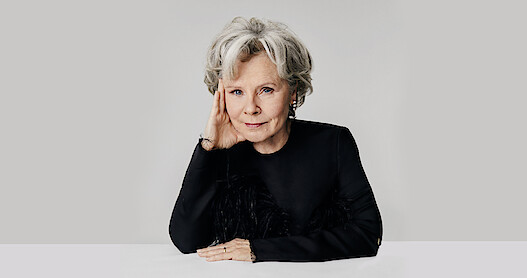
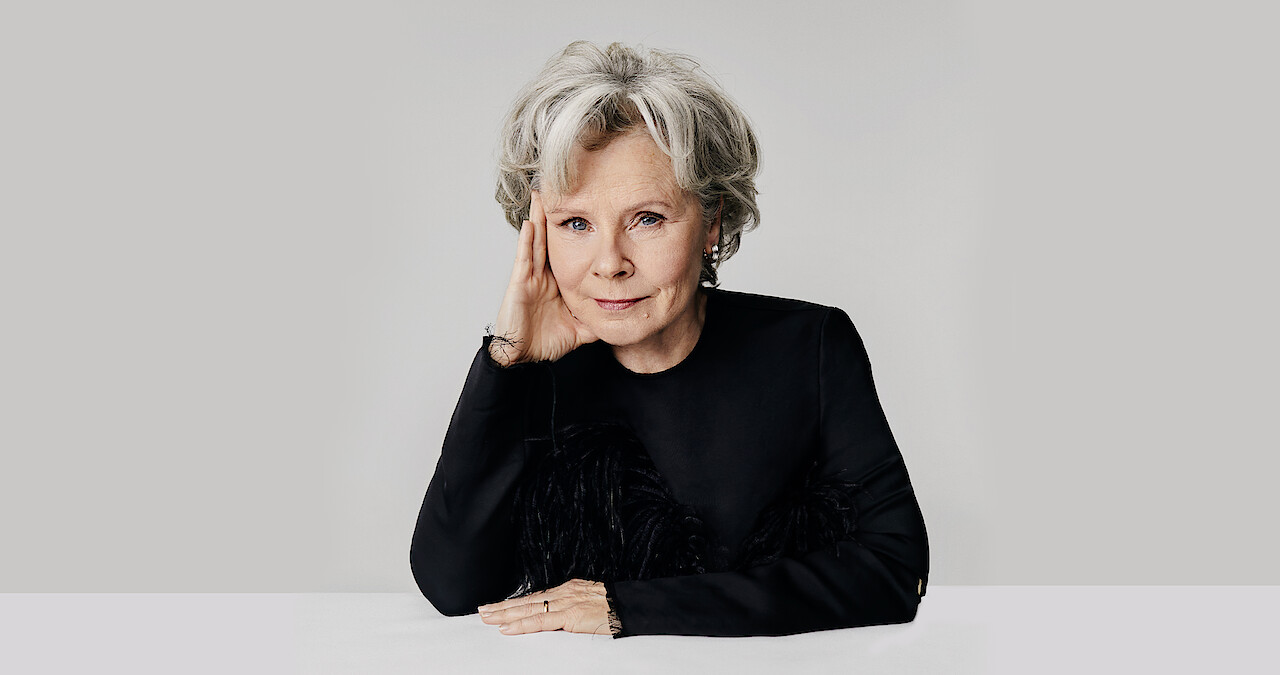
Nick Thompson for Netflix
Imelda Staunton Talks Becoming the Queen for ‘The Crown’ Season 5
“This is really challenging.”
By Emily Zemler
Nov. 1, 2022
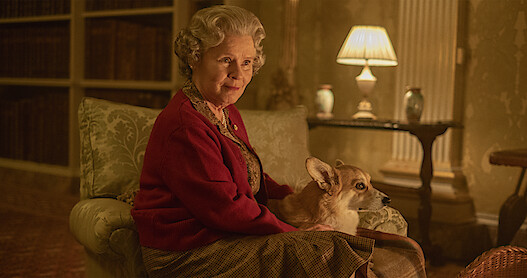
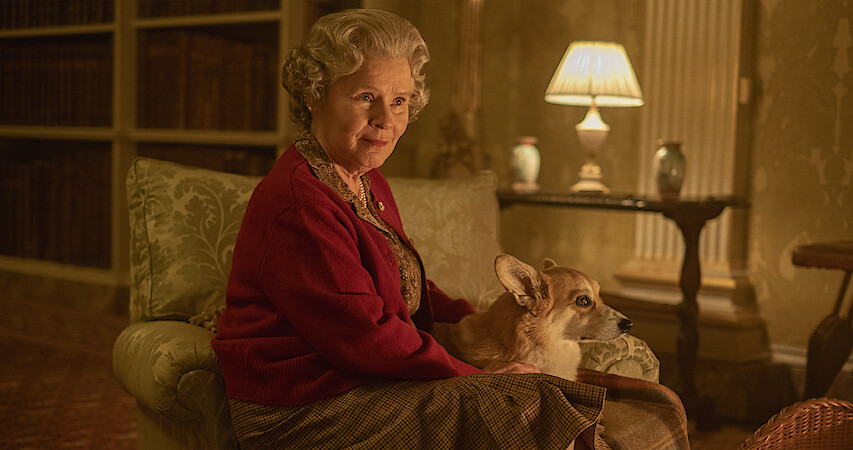
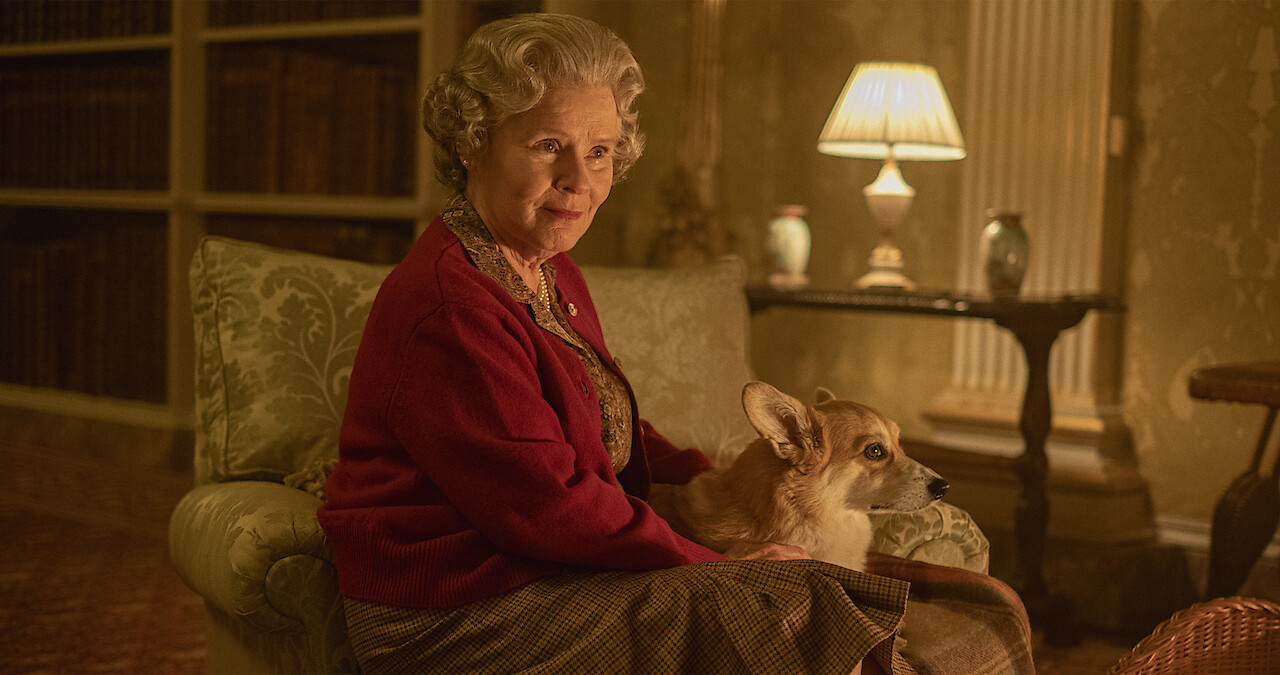
Even actors with years of experience under their belts get nervous when it comes to taking on globally renowned and revered characters — especially when they’re based on real people. Indeed, when Imelda Staunton signed on to play Queen Elizabeth II on the fifth and sixth seasons of The Crown, she experienced “quite a few” sleepless nights. “And I’m not a sleepless night person!” she tells Tudum.
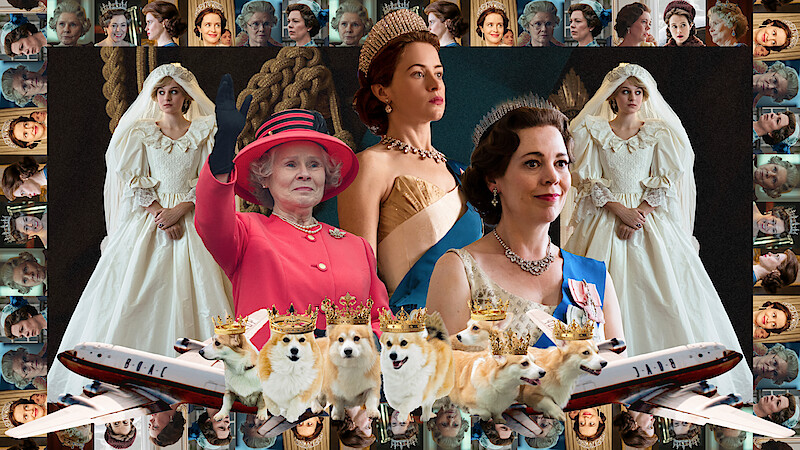
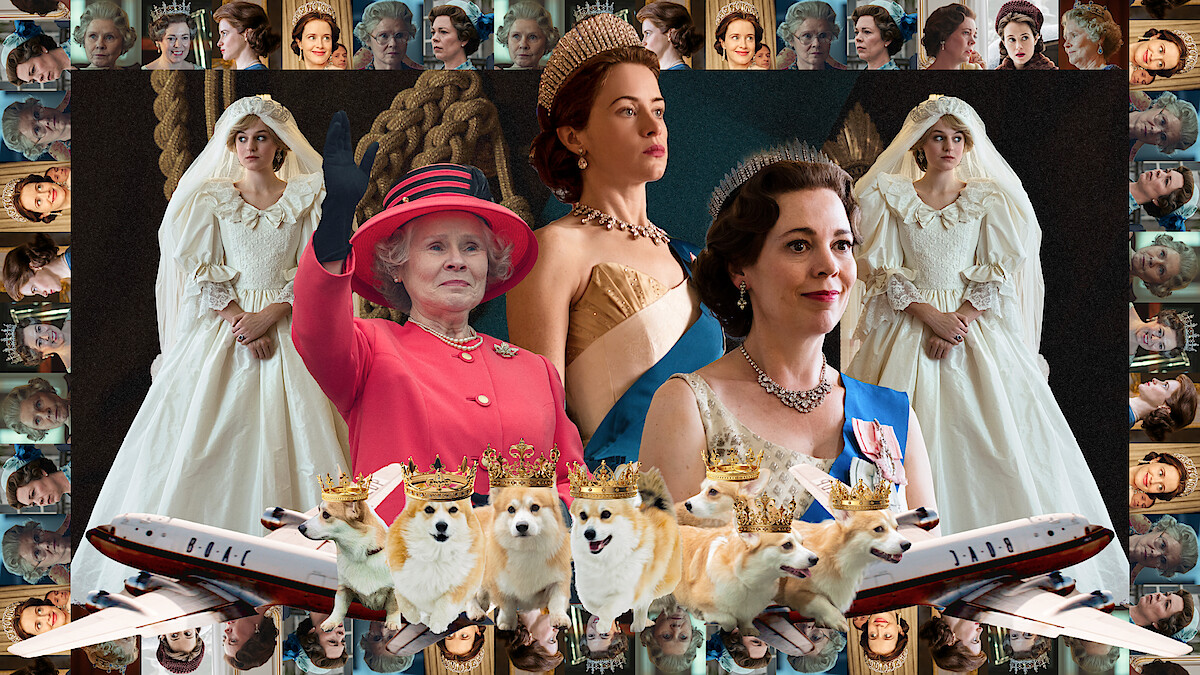
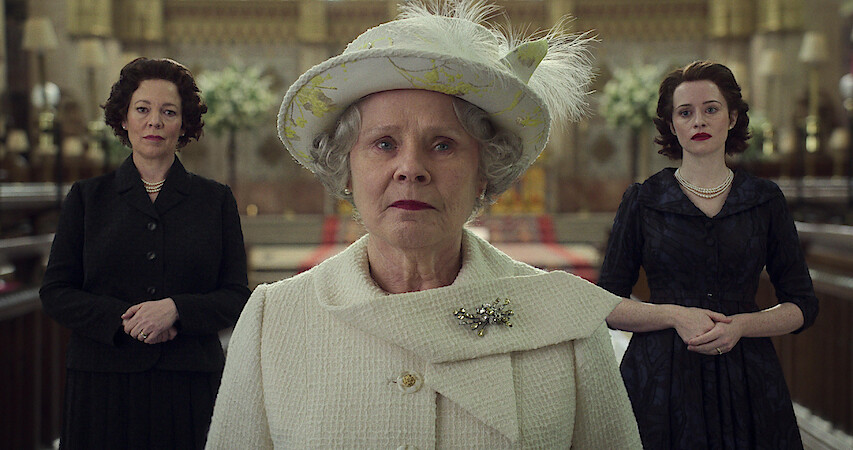
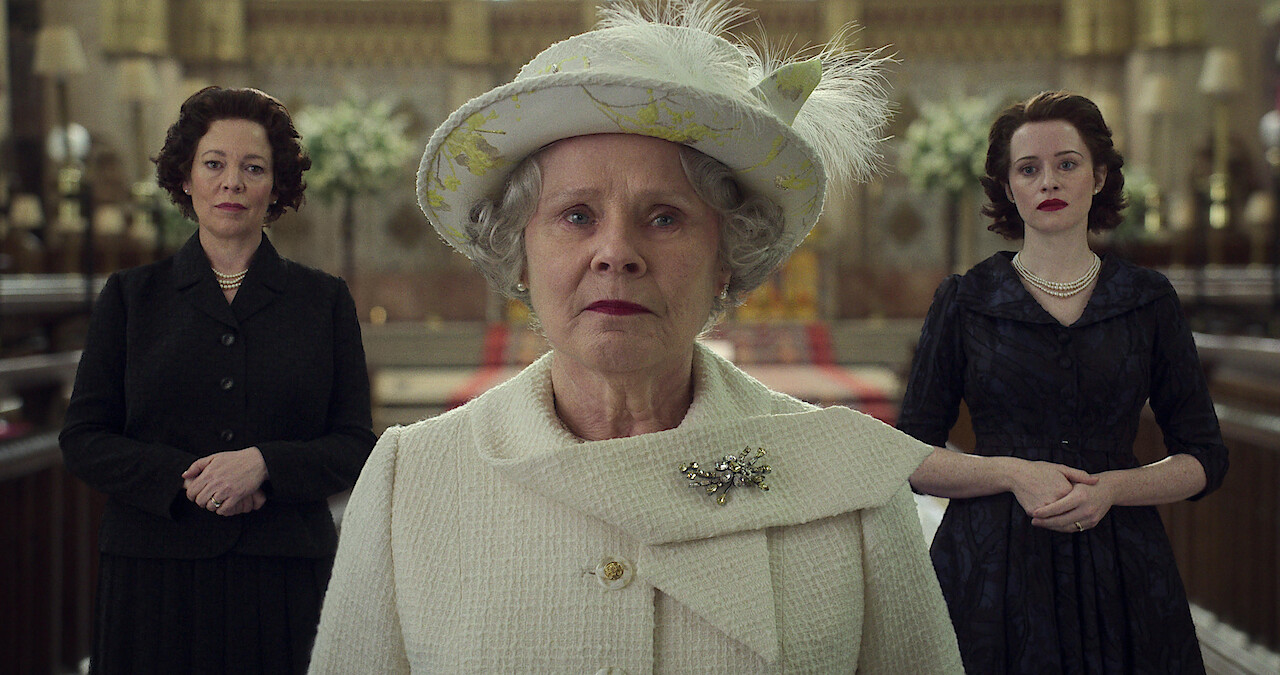
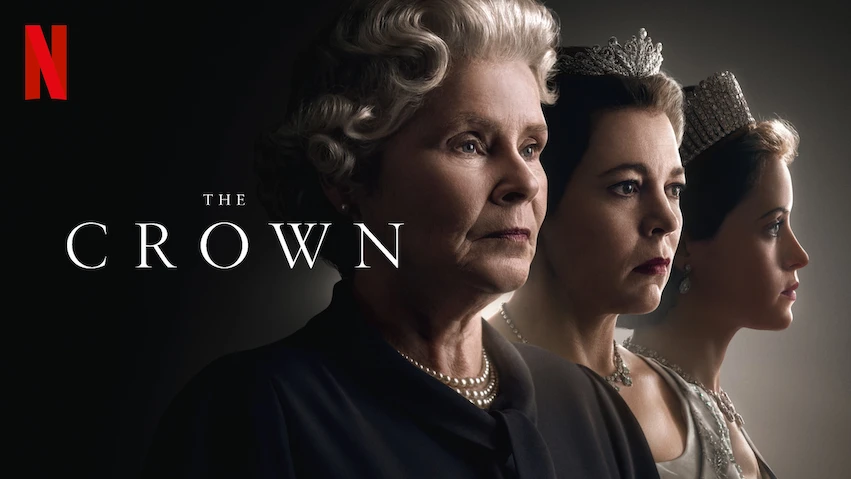
Due to The Crown’s revolving door of talent (the cast switches out every two seasons), taking on the role of the queen meant standing hand in hand with the two actors who’d previously performed the part: Claire Foy (Seasons 1 and 2) and Olivia Colman (Seasons 3 and 4). Five seasons in, however, Staunton found that embodying the monarch in a recent era — the ’90s — was “familiar, yet a bit more frightening.”

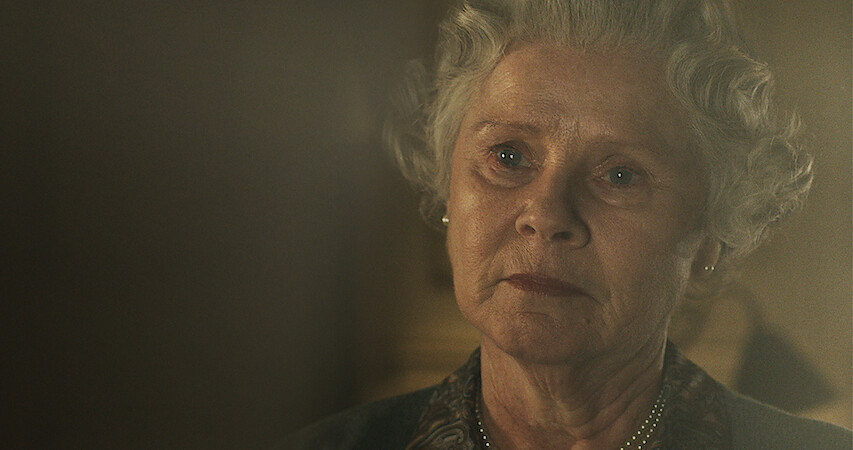
“I think the challenge that I felt for myself — the extra challenge, if there wasn’t enough on my plate — was to be the queen that people recognize much more now, the older queen,” Staunton recalls. “Claire Foy’s [version] was almost a costume drama because it seemed so long ago, and then Olivia Colman’s was, again, like a period piece. [This season] just feels so much more present. I thought, ‘I can’t fool anyone now’.”

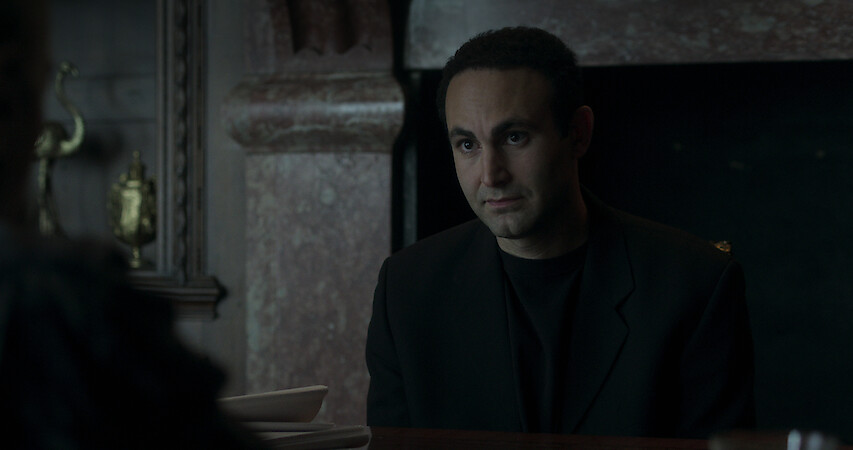
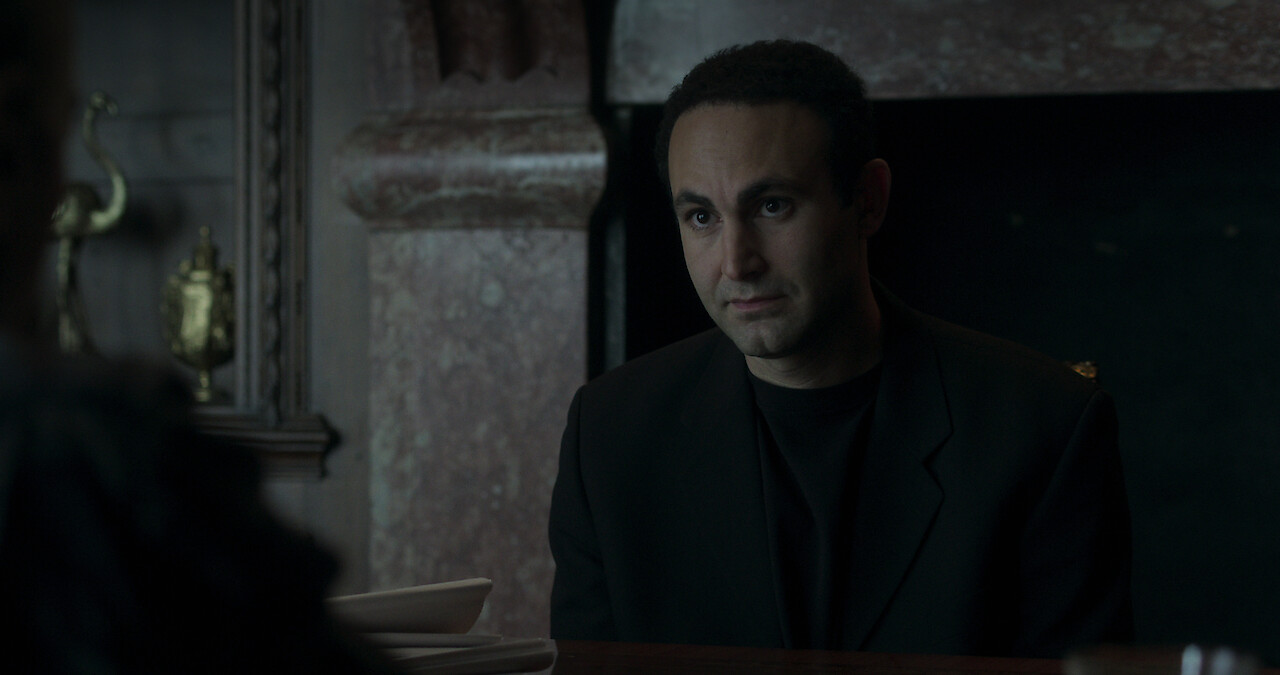
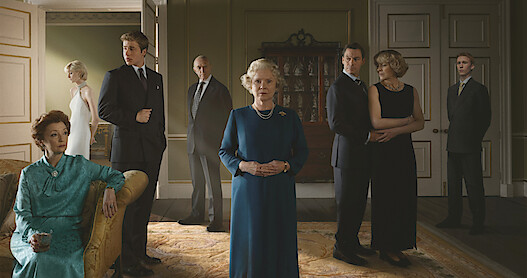
As well as feeling a familiarity with the version of the monarch she was embodying, Staunton was also at ease with Lesley Manville, who plays Princess Margaret; Jonathan Pryce, who plays Prince Philip; and Dominic West, who plays Prince Charles, having worked with each of them previously. “They’re like a memory box of the sort of people we are as actors,” says Staunton. “So we haven’t got to tiptoe around each other.”
As for the critically-acclaimed prior incarnations of her role, Staunton had to find a way to embrace Foy and Colman’s takes, while also developing her own sense of the character. After all, The Crown is a drama, so Staunton’s interpretation had to reflect her work as an actress, as well as the show’s writing.
“You’ve got the weight of the actual program, The Crown, [and] the weight of everyone who’s gone before, so you’re just trying to navigate your way into a truthful place that’s serving the piece as well as the real people,” says Staunton. “That’s the difficult line to tread — the real person and a fictional scene. That’s more difficult to write than to play, obviously, but it’s [about] how to retain what you imagine is their inner self with the historical event; with Peter Morgan’s writing, with my interpretation and with the people who’ve played it before. This is really challenging.”
It was a similar scenario for Pryce when it came to playing the Duke of Edinburgh. “It took me a while to relax and think of what I’m doing as just my version of a man called Prince Philip, who happens to be called Prince Philip,” says Pryce. “So the more I could relax, the more freedom I gave myself, the closer I got to the character.”
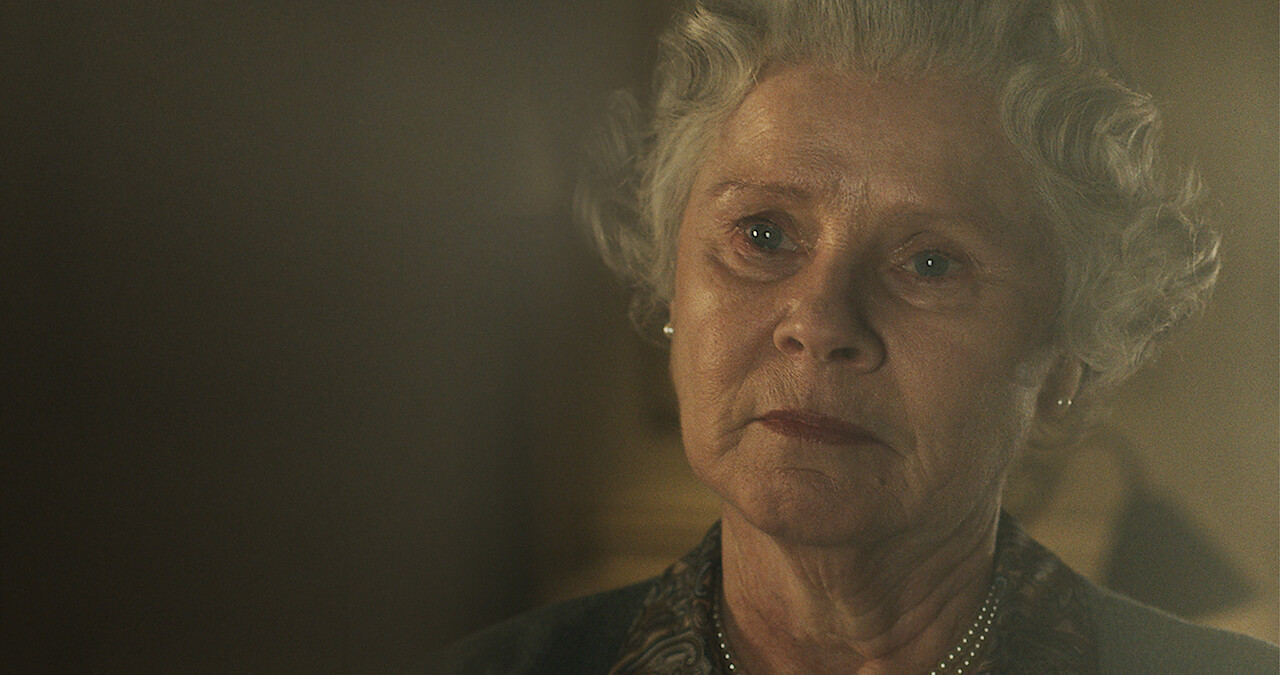
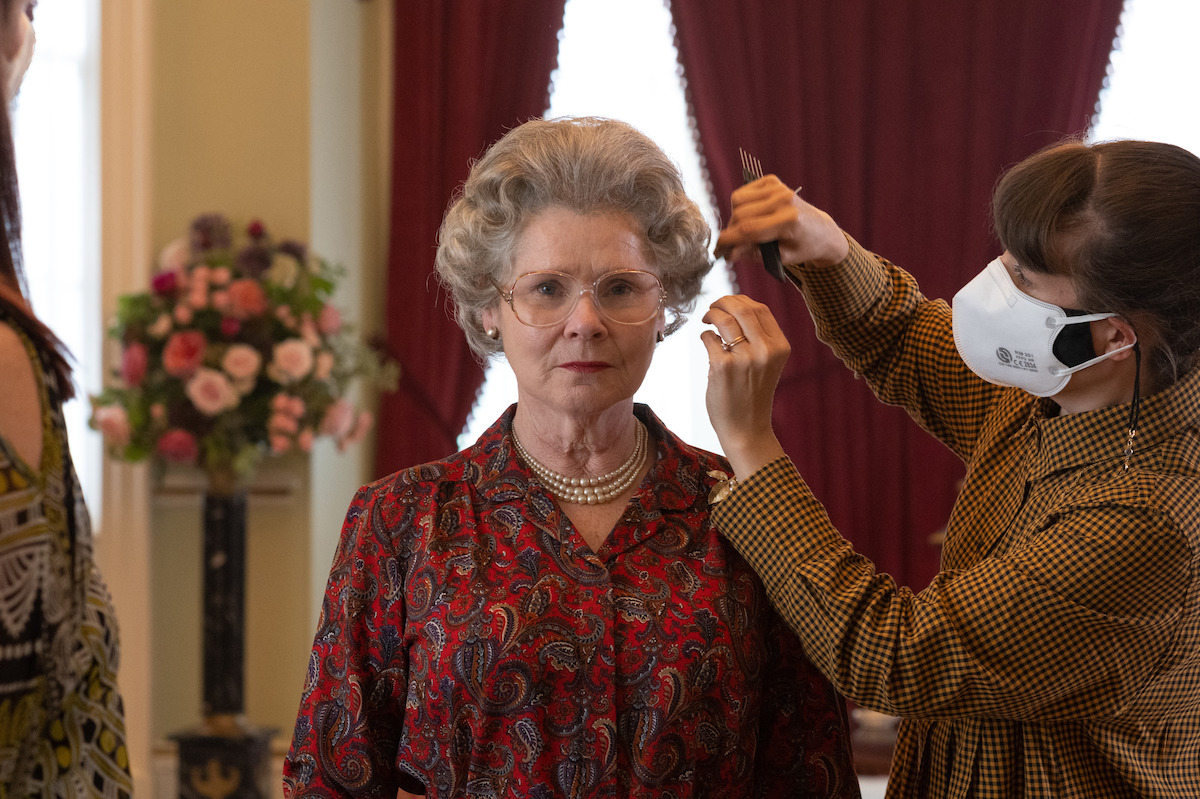
In addition to referencing the script and the real-life person, Staunton also depended on the hair and makeup department to help her slip into character. It would take 90 minutes for the team to transform the actor into the queen. Their aim was to not overdo it with the wig and makeup, so that Staunton’s acting could shine through.
“Because we’re not into prosthetics or lenses or things that stand between an actor and a character, we work really hard on the outline and the shape and texture and the tone,” says Cate Hall, the show’s hair and makeup designer. “Imelda has quite a yellow-based skin tone and we worked quite hard to make it read in that quite classic pink and porcelain way. If you can make those fundamental adjustments and then just let the actor do the rest, I think that really works.”
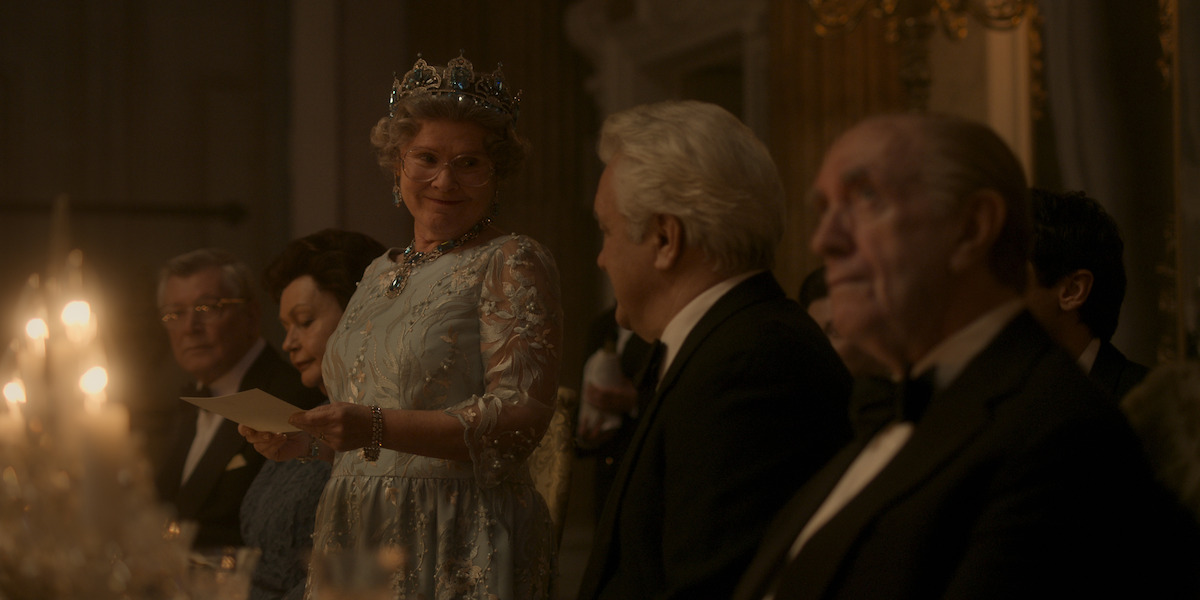
Staunton also worked with a dialect coach and a movement coach to evoke how the monarch annunciates and holds herself. “The queen was married, settled, had children, did her job and that’s all she really cared about — that, and her faith,” reflects Staunton. “So I think it feels like she has a very calm center.”
The actor found that this stillness was a “great hook to hang on,” adding, “she never fidgets and remains steady, even as the events around her become more tumultuous. “She’s still in her speech. There’s no ‘ums’ and ‘ahs.’ You’ve got to remember that she’s from another generation, so the idea of an upward inflection or ‘It was like, and she was like, and they were like’ just does not exist. They think about what they are saying. There’s no waffle and that’s really nice to do.”
That poise that the queen possesses is really put to the test throughout Season 5, when she finds herself in a period of change. Public opinion of the royal family was in decline in the ’90s and the very public divorce between Charles and Diana had overtaken the headlines. Episode 4 of the season sees Staunton deliver the queen’s famous annus horribilis speech from 1992, reflecting on a particularly challenging year for the monarchy and her family. It’s a moment in history that the actor recalls vividly, as well as the debate over the relevance of the royals and the emergence of Diana as a “superstar”.
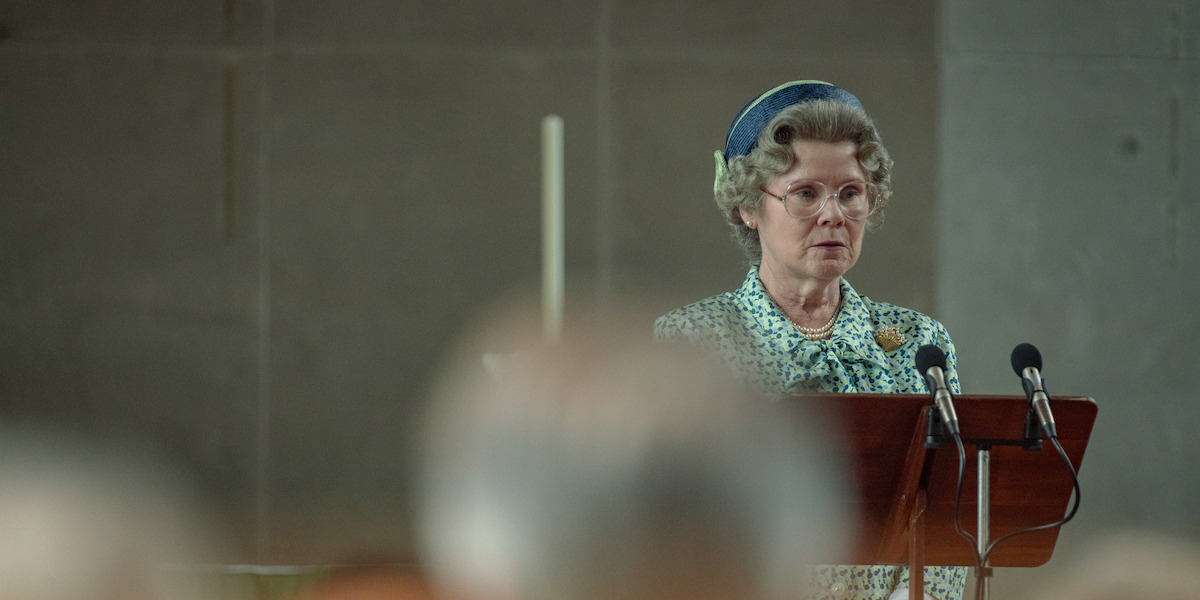
“This is a very rich [season] filled with difficulties,” says Staunton. “The press in the ’90s were more intrusive than they were in the ’40s or even in the ’60s, so there’s all that to take on board. And the hounding of Diana and how shocking that was to the queen — it was like having the supermodel arrive into the establishment, this very stolid and solid institution. Suddenly, you’ve got a pop star, and that’s fascinating.”
Manville adds that it’s Morgan’s ability to go beyond the surface of what Charles and Diana were likely going through at the time that makes this season so compelling. “We can all read the papers and Google, but what [Peter] does so brilliantly is get under the skin of what those two people, Charles and Diana, might have been feeling,” she says. “Putting that on the screen is going to be fascinating for people who weren’t there to witness it — and for those who were.”
Despite the nights lying awake with worry, Staunton’s ready for her interpretation of Queen Elizabeth II to make its way into the world. She’s already encountered a few fans and is gratified to find that they have confidence in her playing such an iconic figure.
“What’s been nice — and I hope I don’t prove them wrong — is people saying, ‘I’m really looking forward to seeing her as the queen,’ ” Staunton reflects. “So let’s just hope they stay with that thought.”