Royal Recap: Everything That Happened in Season 4 of ‘The Crown’
We’ve officially entered the Diana years.
By Mary Sollosi
Oct. 18, 2022
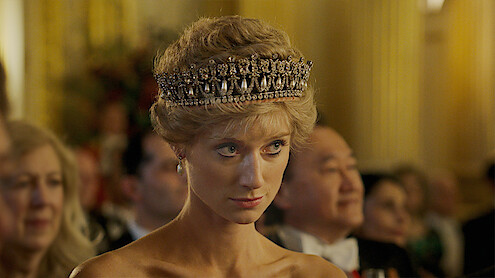
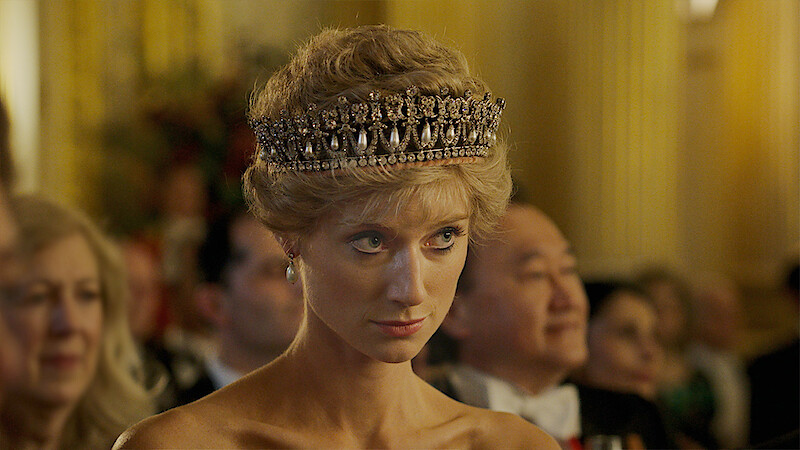
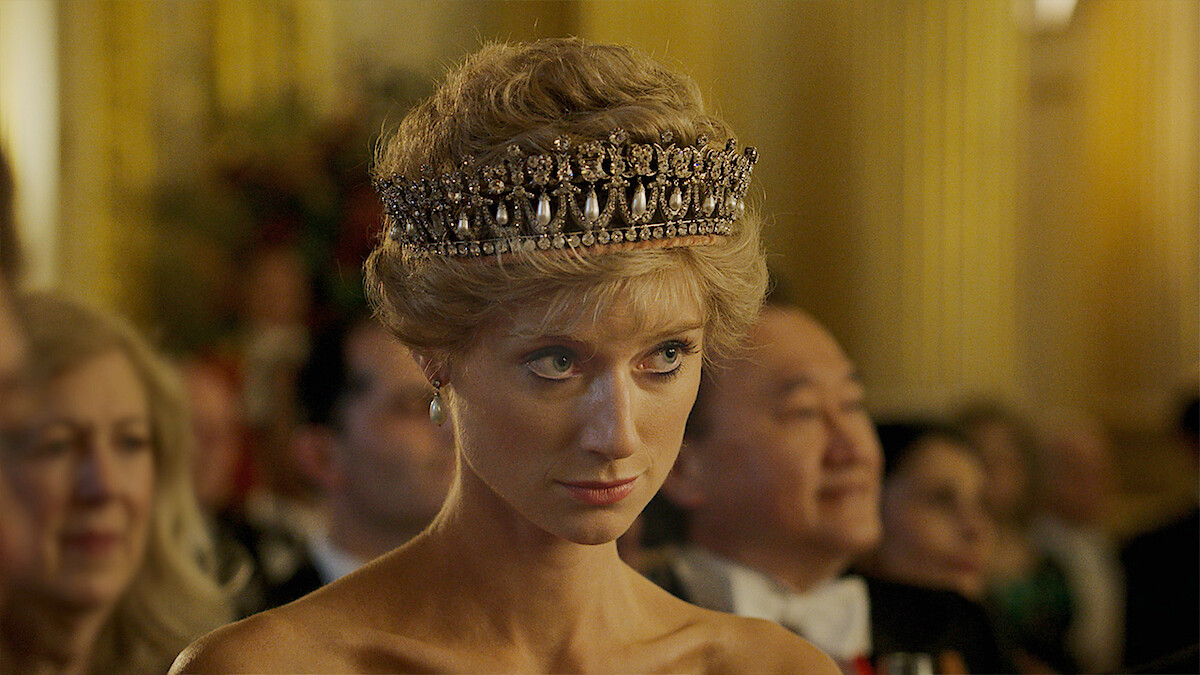
Hold on to your helmet hair, because Season 4 of The Crown is taking on the ’80s. The tense fourth season is shaped enormously by the addition of two new characters, both defining women of the decade: Lady Diana Spencer (Emma Corrin) and Margaret Thatcher (Gillian Anderson).
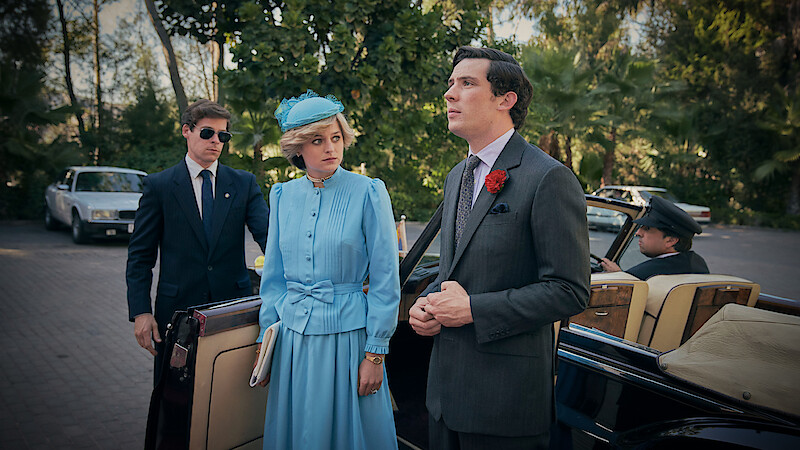
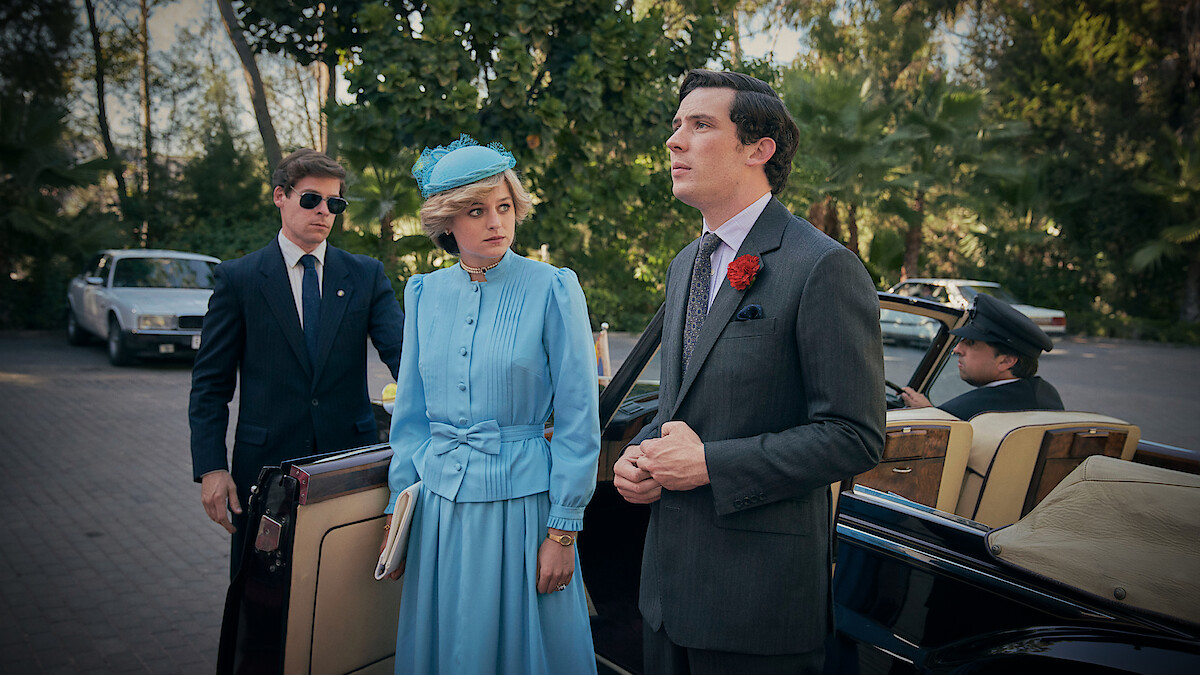
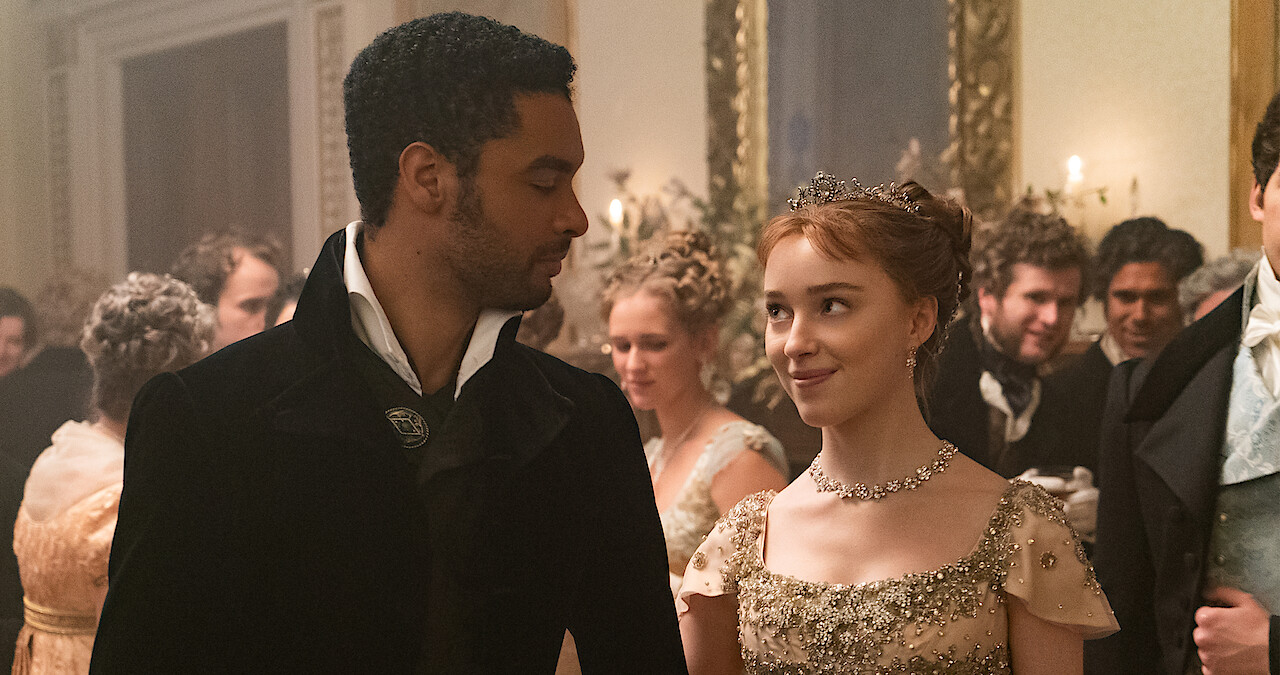
The season opens with Prince Charles (Josh O’Connor) meeting Diana, and goes on to portray their courtship, wedding and the turbulent early years of their marriage — during which their sons William and Harry are born, the Prince of Wales continues his affair with Camilla Parker Bowles (Emerald Fennell), and the princess finds other lovers as well.

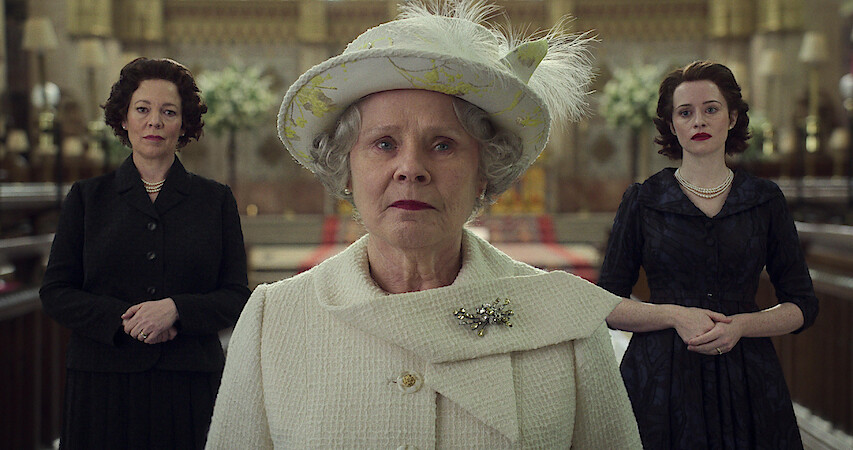
Also at the top of the season is the election of Thatcher as prime minister, her Conservative government taking over from the Labour administration that preceded it. The new PM and the queen (Olivia Colman) don’t have an especially warm rapport — and on one occasion the sovereign even makes the rare acknowledgment of political differences with her government — but they recognize, in each other, a strong work ethic and love of country.
The Iron Lady’s icy tenure and the unraveling of the doomed Wales union are the two main narrative pillars of the season, but every major player becomes a part of the action over the course of its 10 episodes. Here’s where everybody stands at the end of Season 4.
Oh, the usual — weekly audiences with the PM, occasional holidays at Balmoral, international visits here and there. Politically, she finds herself at odds with Thatcher, clashing especially over whether to impose economic sanctions on South Africa in response to the cruelties of apartheid. Personally, she feels troubled — and perhaps a bit guilty — upon discovering what misguided adults her children have grown into. Despite a general policy against meddling in others’ affairs, she tries repeatedly to impress upon Charles and Diana that the monarchy can’t afford for their marriage to fail.
Inflexible in her approach and individualistic in her philosophy, Margaret Thatcher is a controversial leader, and her tenure at Downing Street is marked by social unrest and soaring unemployment. In international affairs, she disagrees with the queen over the value of the Commonwealth and leads the country to victory in the Falklands War. But the season ends — as every season before it has, too — with the departure of its PM. Thatcher’s own party ousts her, having lost faith in her leadership. In recognition of her achievements, however, Elizabeth honors the divisive politician with the Order of Merit.
Having steadied since his restlessness in the first two seasons of the series, the Duke of Edinburgh (Tobias Menzies) remains, in Season 4, a stalwart supporter of his wife. He also connects with Princess Diana and tries to advise her about being an outsider in the family.
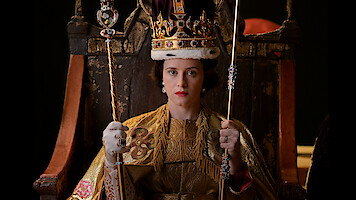



Margaret (Helena Bonham Carter) gets less screen time here than in previous seasons, with the next generation taking center stage. After a health crisis, she approaches her sister once again asking for more to do. She is again rebuffed, however, now that Edward has aged into a more prominent role himself — pushing Margaret even further to the fringes. Depressed, she starts seeing a therapist and uncovers some troubling family history: She has two developmentally disabled cousins whom she’d never even heard of before, because the family had hidden them away in a mental institution, concealing their existence from the world.
Brace yourself, because it isn’t pretty. Following a whirlwind courtship, the Prince and Princess of Wales are married. Their romance is viewed by the rest of the world as a perfect fairy tale, but Charles takes their whole relationship as if it’s unpleasant medicine, remaining devoted to Camilla, and Diana spirals deeper and deeper into an eating disorder. On a high-profile Australian tour, they reconnect and vow to try and make their marriage work; when Charles feels humiliated by being so thoroughly outshone by his wife, however, their promises to each other fall apart as quickly as they were made.
Despite Elizabeth and Philip stepping in to pressure the young couple to truly commit to each other, there is no parting Charles from Camilla, which leaves Diana seeking comfort in the arms of others, too. At the end of the season, she goes on a solo trip to New York City, where she delivers a dazzling performance, admired by all who meet her. Her triumph only feeds her husband’s resentment, and they enter the ’90s both perfectly miserable — but the Princess of Wales wiser and tougher than she was at the start of the previous decade.
Yes! They are both born in Season 4 and are innocent darling children, their parents still married, at the end of it.
Indeed it does. In a revealing episode, the queen meets with each of her children and concludes that all four of them are lost — as well as realizing that Andrew (Tom Byrne) has always been her favorite. She is deeply troubled by the content of her conversation with her second son, currently serving in the Royal Air Force, when he tells her gleefully about a raunchy film in which his latest girlfriend recently starred. A few episodes later, he is made the Duke of York, and marries Sarah Ferguson (Jessica Aquilina).
The Olympic equestrian and mother of two (Erin Doherty) is dissatisfied in Season 4, with her marriage on the rocks and her new sister-in-law the object of widespread adoration. She is confidante to her moody older brother and fills in their mother on his marital dramas.
At the beginning of the season, Edward (Angus Imrie) is at Gordonstoun, just like his father and brothers before him, and his mother is appalled to learn that he’s a victim of bullying, a shameless narc and an indifferent student. Later in the season, he turns 21 and is promoted to a more senior role in the family.
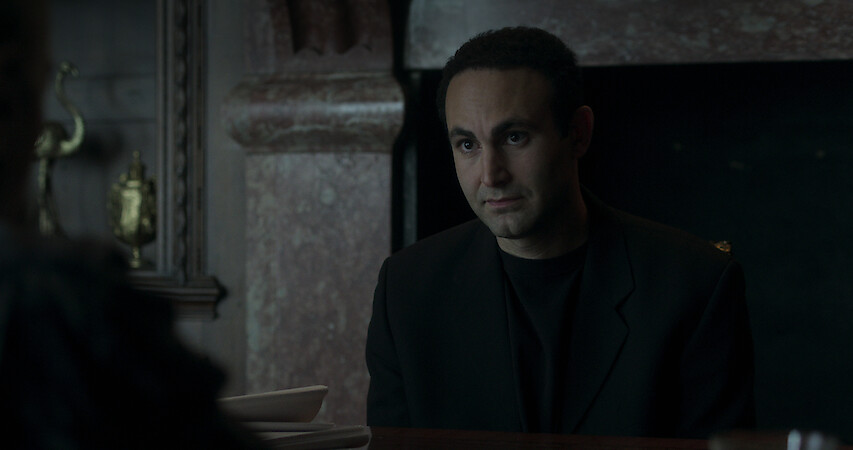
Wow, morbid much? But now that you mention it, yes, Philip’s uncle Lord Mountbatten (Charles Dance) is assassinated early in the season. While on holiday in Ireland in 1979 amid the Troubles, he is killed by a bomb planted in his fishing boat, for which the Provisional Irish Republican Army proudly takes credit. Just before his death, he argues with Charles on the phone, urging his grandnephew to move on from Camilla and find a suitable wife — advice that Charles, apparently, takes to heart.
Hands down, it’s Michael Fagan (Tom Brooke) breaking into Buckingham Palace, entering the queen’s bedroom and having a chat to tell her how much he hates Thatcher. Do these people have wild lives, or what?