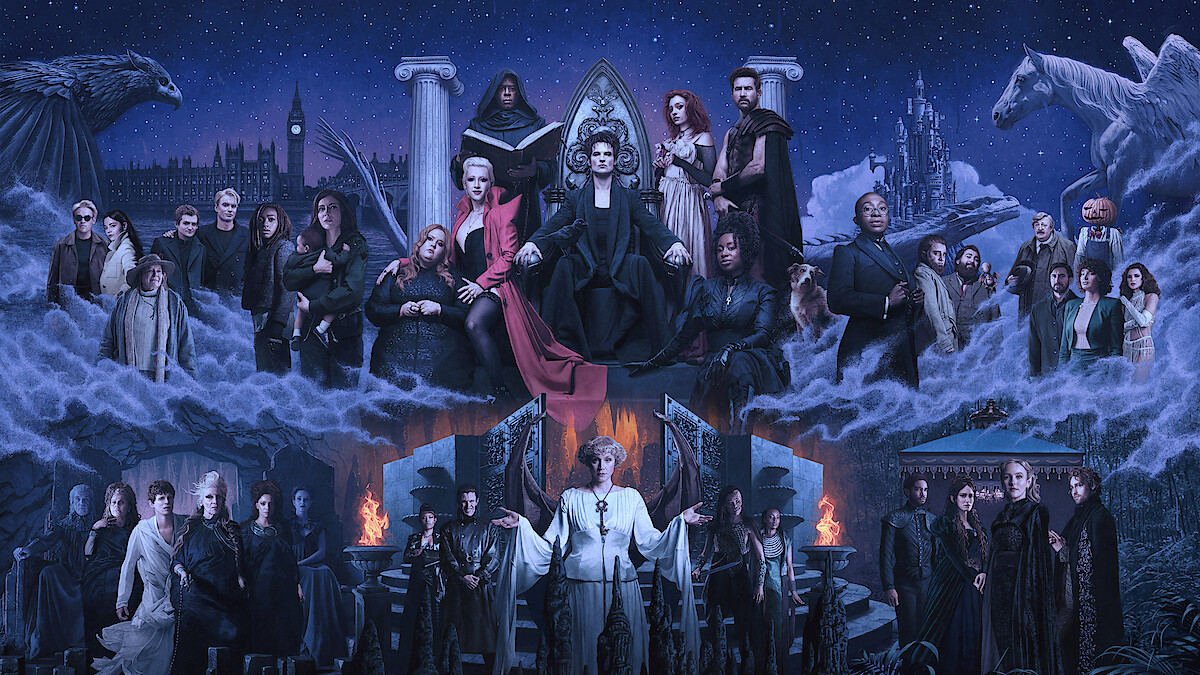
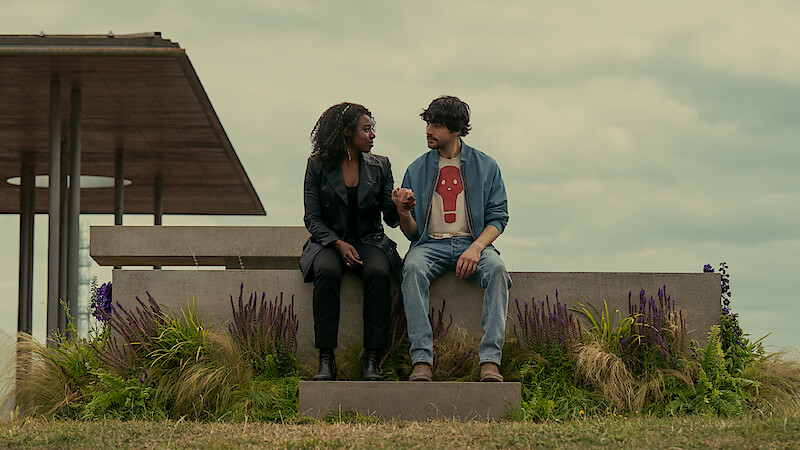
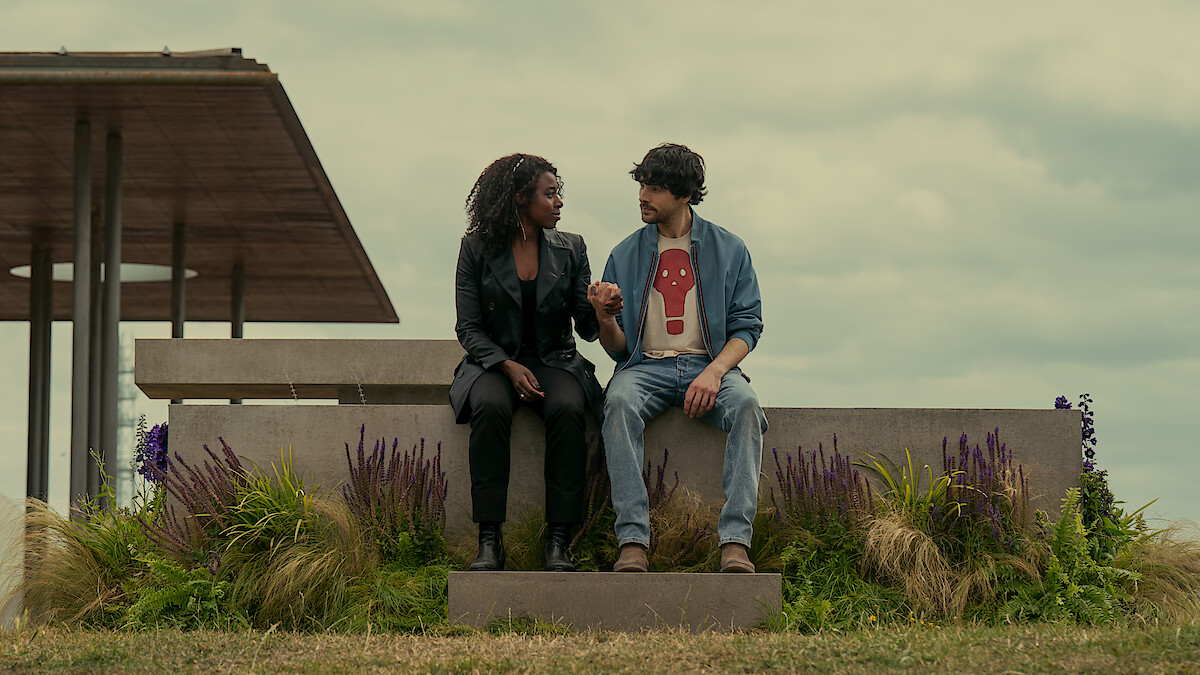
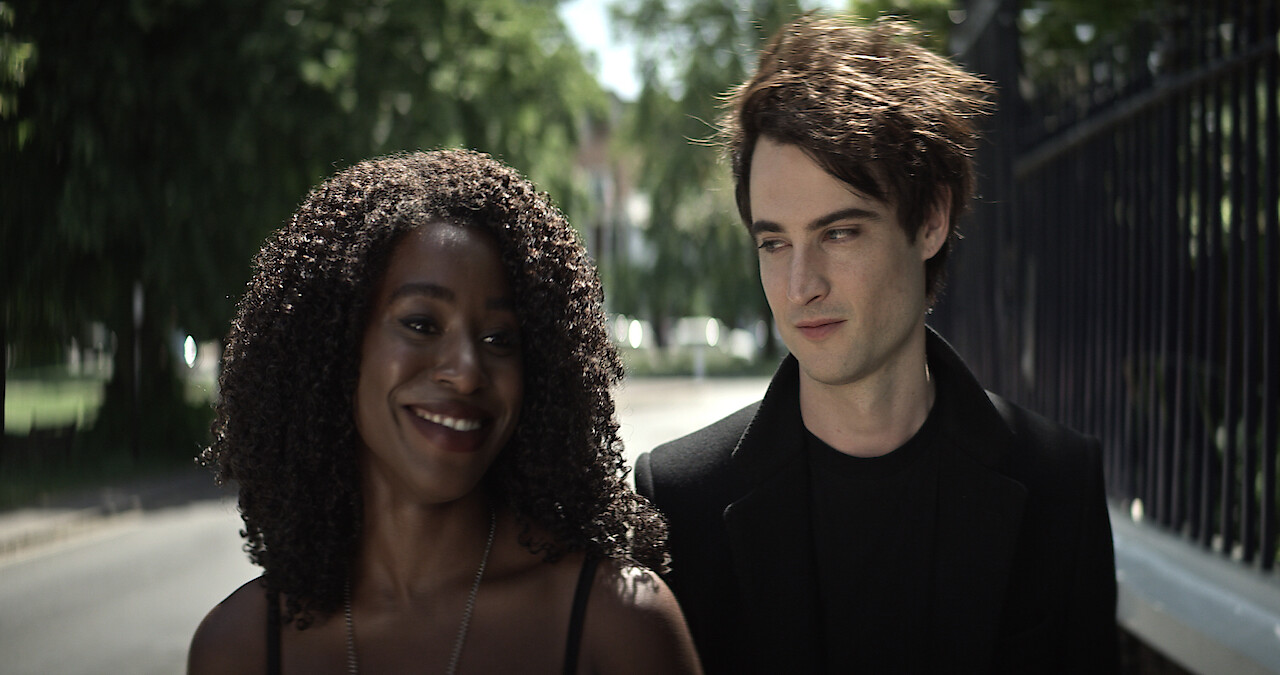
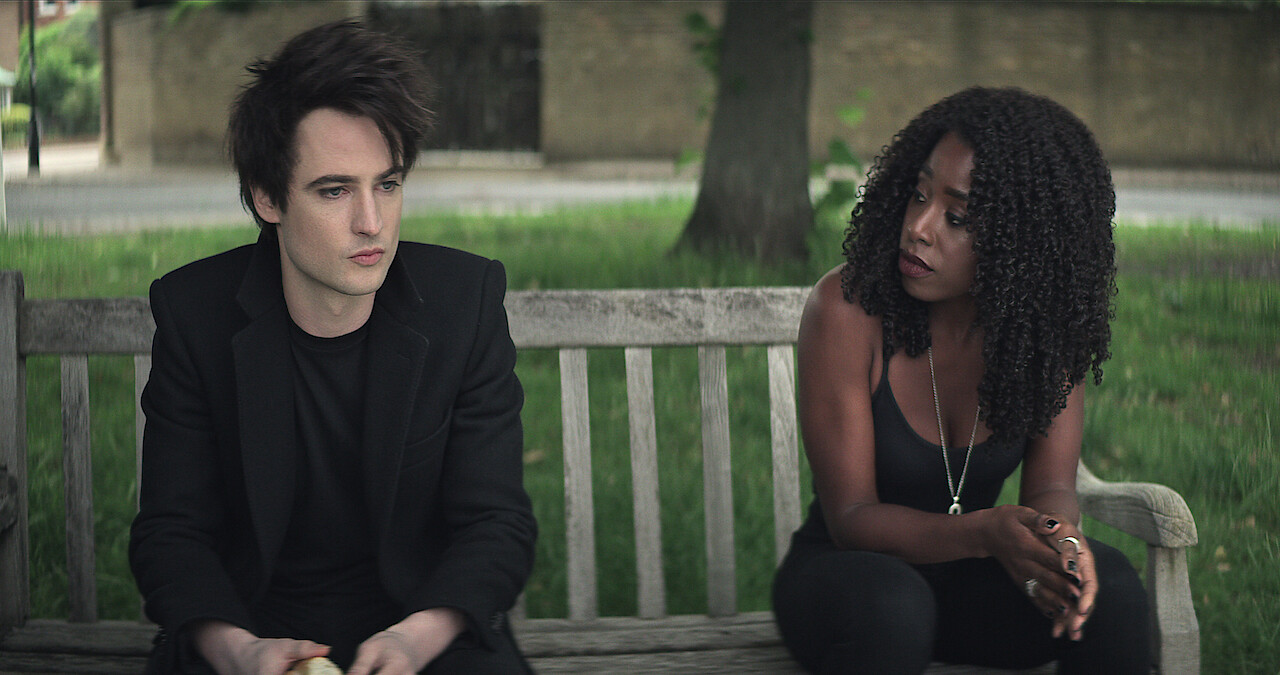
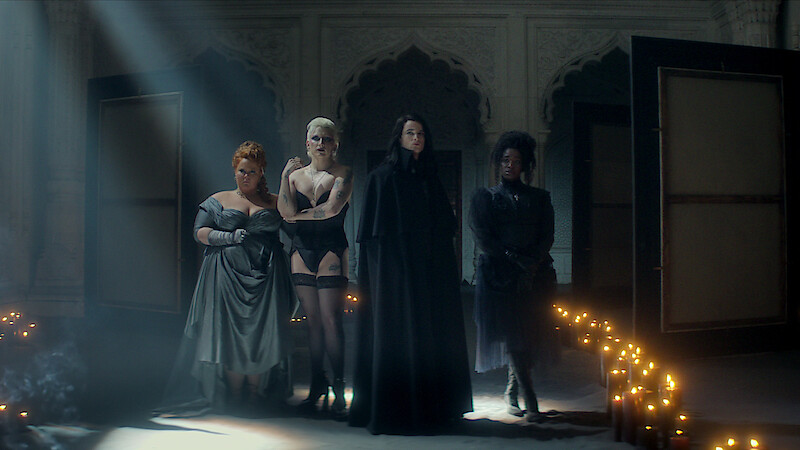
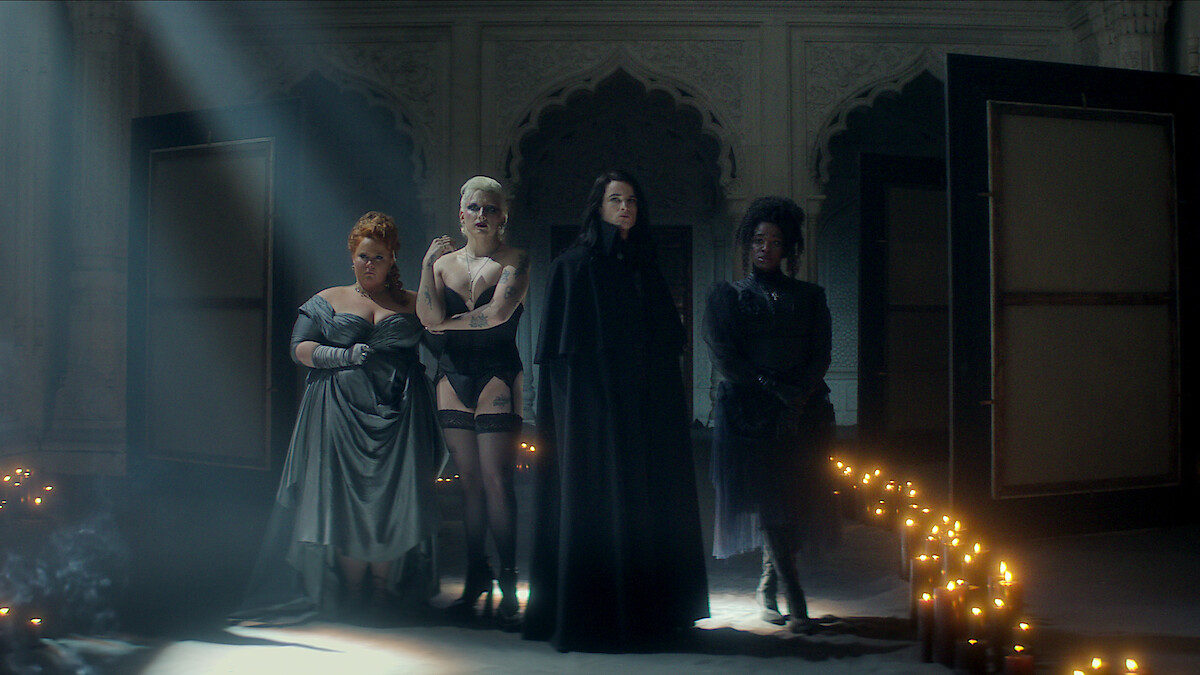
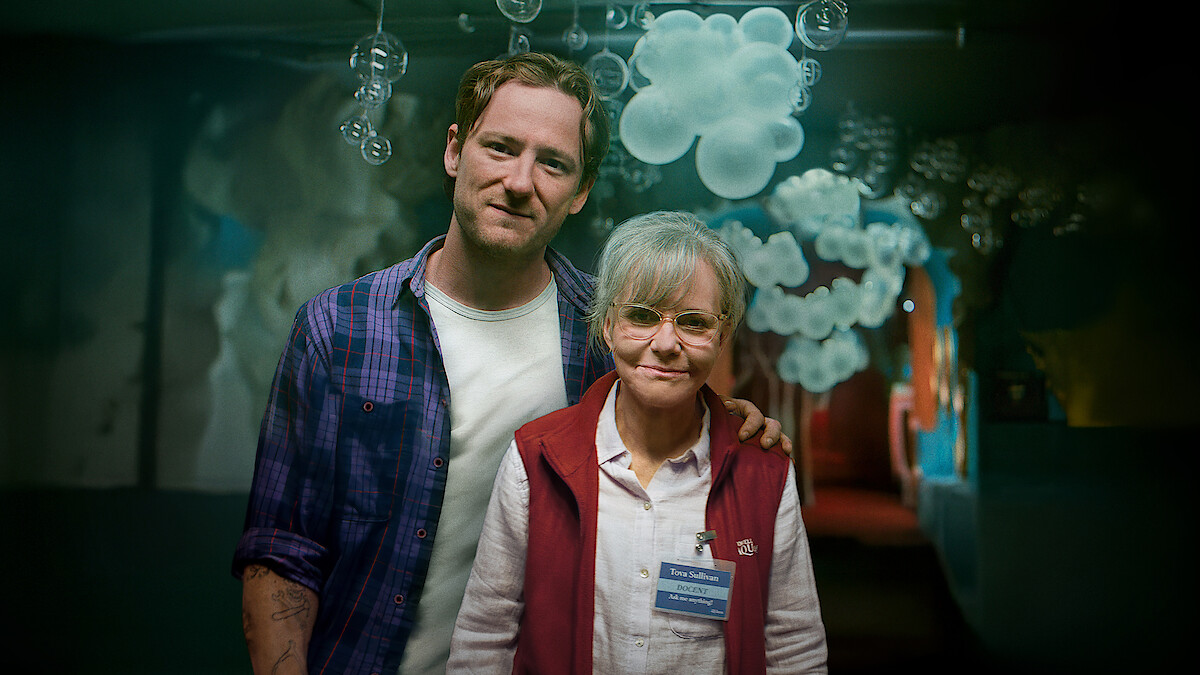
In Buddhism, desire is the root of suffering. In Neil Gaiman’s The Sandman,Desire — the mischievous Endless family member — causes pleasure alongside pain.
(Be warned, there are MAJOR FREAKING SPOILERS below. We’re talking about the ending of The Sandman, after all. Go read about Dream’s hair if you’re scared.)
Much like the Greek and Roman gods, Desire makes humans into playthings. But worse than that, Desire is another kind of monster: a sibling. Desire prods and connives against their brothers and sisters, creating secret alliances fuelled by jealousy. And sometimes for no reason at all.
But Desire isn’t good or evil. Desire just is.
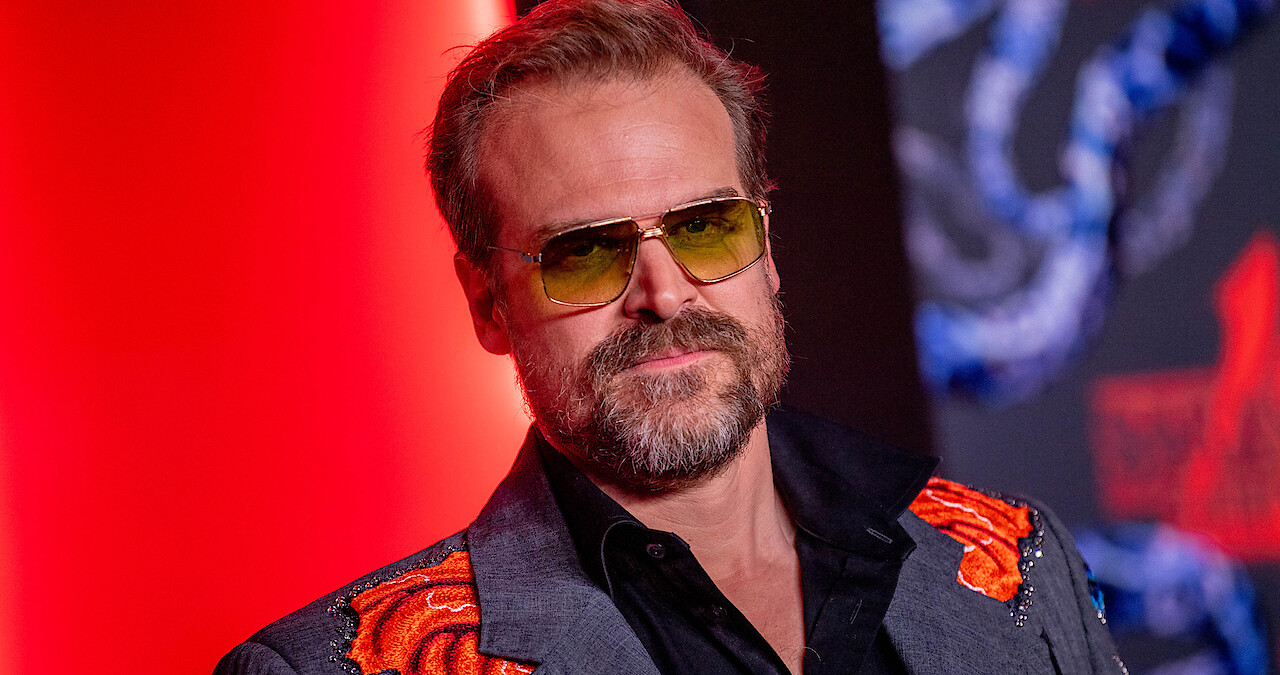
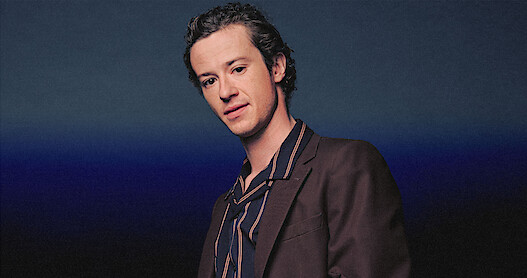
“One of the first things Neil ever told me about his character was that he never played Desire as a villain,” says Mason Alexander Park, who plays the character in the show. “Desire is the hero of their own story.”
In The Sandman,the realm of the Dreamingis a nebulous gray area, where good and evil are forever intertwined. In many ways, this imagined realm — as magical and otherworldly as it seems — is actually more like the real world, where cleanly defined identities, truths and morality rarely exist.
The Sandman is a world in between. Mason Alexander Park’s rapturous and captivating take on Desire inhabits this liminal space exactly as Gaiman set out in the original comic: The mystical nonbinary character is unbound by the confines of humankind’s compulsion to corral, restrict and categorize each other. Desire is truly Endless. And so is Park, who’s had one-of-a-kind roles as Gren in Cowboy Bebopand the East German glam rocker lead in the stage adaptation of Hedwig and the Angry Inch. (And yes, the original Hedwig himself, John Cameron Mitchell, appears in The Sandman too. A twofer!)
We recently caught up with Park to discuss how they Twitter-stalked Neil Gaiman, the natural queerness of The Sandman and that mind-shattering ending that everyone is talking about.
There are more queer characters in Season 1 of The Sandman... than I think any other show in this space that I’ve ever seen before.
Mason Alexander Park
What’s the meaning of the ending of The Sandman? I love the end of this season. It’s one of my favorite scenes, and it’s one of my favorite moments from the comics. You know, Dream and Desire have a very interesting and troublesome relationship, and it’s rooted in grudges that they both hold. A lot of it has to do with love, which is a part of Desire’s realm and a part of their function. And I think Dream resents Desire so much for his failings and shortcomings in that, which is more his responsibility than anyone else’s. And Desire knows that, obviously. So there’s this struggle of my character really feeling blamed and resented for something that has not really anything to do with me. It’s not my fault that things don’t work out for Dream. So when I can mess with him, it’s definitely fun and delicious, and it’s nice that it culminates in this big standoff between the two titans.
Tell us a little bit about the pregnancy, though… I love in this version that Unity Kinkaid loved Desire so much in their meetings. The reason that this child was conceived, whether it be to end Dream and to be a challenge for him, comes from a place that’s very much a part of Desire’s realm, which is just genuine love and sexual attraction and need. And Unity, when she talks about this golden-eyed man that she had this experience with, with such a reverence and as one of the greatest gifts of her mental imprisonment, of this dream imprisonment, it’s really, as the audience, easy to see Dream’s experience of that and be pissed off at Desire, and for it to be this big moment.
But when I think of it from [Unity’s] perspective and from how I play into it, watching her hold that dear as one of the most wonderful things that’s ever happened to her is so much of what I love about this character. That even when they’re doing these kind of nefarious, shady things, there’s still so much they’re giving to other individuals, and there’s still so much life and happiness that they’re bringing into this person’s life — that made her experience stuck in the Dreaming, stuck in her sleep, a positive.
What was your first interaction with TheSandman and Neil Gaiman? I’ve been a big fan of Neil Gaiman for many, many years. I believe my introduction to his work was Coraline, and it just kind of went from there. He’s a horrific, interesting, beautiful mind that I adore. And so Sandman was always sort of there in the ether, but it was never something that I finished reading from beginning to end. But I enjoyed the single issues that I had, and it just kind of escaped me. It got away from me with time. And when I was a little older, when I was in my earlier 20s and/or late teens, I remember researching gender nonconforming and nonbinary and trans characters in literary forms of media and literature and comic books, and all of those things. And Desire, obviously, is one of the most prolific examples of a gender fluid or nonbinary individual in media at all.
And it perked my ears up a little bit, because I had remembered encountering the character before. And it was just a nice reminder that existed.
How did you reach out to Neil Gaiman? Eventually, I found out it was being adapted into a series, because I had a friend who did American Gods with Neil, and I was shooting Cowboy Bebop in New Zealand, and I was in quarantine for those two weeks. And while I was there, Neil was really tweeting a lot about Sandman. And he was just talking about how they were back in production on it. It just timed out.
But it happened right when I was hitting my loony moment where the walls started moving, and the bed was a snake, and I was like, “OK. It’s four in the morning.” I love that character, Desire. I would love to know if they’re making an appearance in Season 1. I could ask my agents, or I could just ask Neil Gaiman on Twitter because he’s constantly responding to people, and he’s very engaged with what’s going on there. So I tweeted him, and I just asked if Desire was going to be making an appearance in Season 1. And he told me yes and sent me the casting director’s information.
The Cast of ‘The Sandman’ Discuss Why the Story Still MattersThe source material was 30 years ahead of its time.
You tweeted at him? And that was sort of the beginning of it. You know, I screenshot the tweet, his reply, and I sent it to my agents, and I was like, “Get on this. Please make this happen.” And what he just told me recently, it was that he went and he found videos of me. Like, he stalked me a little bit afterwards.
And sent them to Allan Heinberg, our unbelievably fabulous showrunner, and said, “I think I just found our Desire.” And then it just kind of snowballed from there. So by the time I had finished Bebop, I had sent him a tape on the last week. And when I got back to LA in early December, a few days in, I had a phone call saying that was going to be the next job.
Why do you think The Sandman has endured for so long? It’s a testament to the universality of the human condition. The text and the characters, and now the series, are so imbued with Neil’s perception of humanity and with his experience of human beings. And I think that, at its core, this show and this comic are all about that. It’s just completely told through his lens, which is a singular, beautiful prism to see things through. But it encompasses all of the things that we experience in our time on earth, all of the questions, all of the fears, all of the heartbreak, all of the love, all of the excitement, adventure, and the Endless represent all of those things. You know, we are those aspects of the human condition for a reason, and it’s because of how important they are to each individual’s experience of life.
I think that Sandman has endured much to do with that, but also just because it’s a remarkable story. It really is the ultimate story, and the ultimate storytelling device, to tell a tale about someone who’s searching to find themselves in the wake of immense struggle and tragedy. And I think that it’s really easy to root for characters like that, to root for someone like Dream and to watch his struggle with change and to wait for him to finally figure out where the wall is and when he really needs to shift and grow, because growth is the lifeblood of human beings.
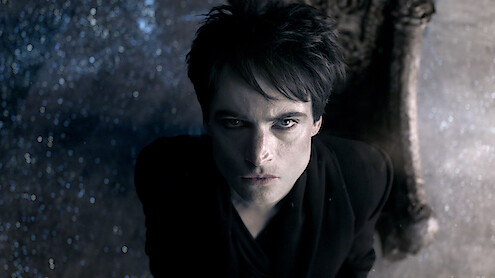
Tom Sturridge in The Sandman is the Stuff of DreamsMorpheus leads us into the realm of the Dreaming.
The big difference with The Sandman and other comic books is that the Sandman’s not a hero, he’s not a superhero. He makes mistakes. He changes his mind, which is a big thing that superheroes never do. There’s this liminal space of dreams throughout that really reflects the queerness of it all, and all the characters kind of meander between these worlds. Can you talk about that a little bit? I think that The Sandman has endured, specifically in the queer community, not only just on a representational aspect because of how many characters identify as trans or nonbinary in some way, but also because the story inherently is a [queer] story. It really is about the search for identity. Dream’s entire character arc is wrapped around him trying to figure out who he is and trying to figure out who that is amongst all of the other things that make him him, amongst his objects of power and his family. And those are all experiences that everyone has a relationship to, but especially [nonbinary] people, as we try to figure out how we relate to the world around us and to our families and to ourselves, and I think that the television version so beautifully takes that and really runs with it.
How was showrunner Allan Heinberg involved with that? It’s such a testament to Allan Heinberg as a showrunner. He puts so much of himself and his experience with queerness into this, and normalized these characters and their existence in the world in a way that I haven’t seen before. There are more queer characters in Season 1 of The Sandman, which is one of the most beloved stories of all time, that is such a mainstream hit now than I think any other show in this space that I’ve ever seen before, and it’s not commented on, and it has nothing to do with their plots. It has nothing to do with their experiences in the show, in a negative way, by any means. And it shows characters being both good and bad and neutral. To me, it’s so deeply important and a show that I think will be remembered for decades to come because of how groundbreaking the representation is in it.
In many religions, desire is the enemy: in Christianity, and also in Buddhism, this idea that desire is the root of sin or unhappiness. Does that make your character, Desire, the villain? I think it’s very easy to interpret Desire as the villain historically, based on the way that they’re portrayed in many panels. But I don’t see that as so. One of the first things Neil ever told me about his character was that [he] never played Desire as a villain. Desire is the hero of their own story, which is classic advice. But because he said that The Sandman could easily be told from Desire’s perspective, and it would probably be a lot more fun and have a lot more sex in it. And in that version, Desire just so happens to keep running up against their stuffy older brother. And that’s true of my experience in creating the role in this iteration, because I really thought about it [as] very relationship-based, and both Neil and I agree that Desire is awesome, and Desire is beautiful and wonderful and so many good things.
This interview has been edited for length and clarity.