Everett Collection
What To Watch
10 ‘Better Call Saul’ Episodes So Good They Should Be Illegal
Breaking Bad was just the beginning, Your Honor.
By Derek Lawrence
April 18, 2023
We promise that this Better Call Saul list is all good, man.
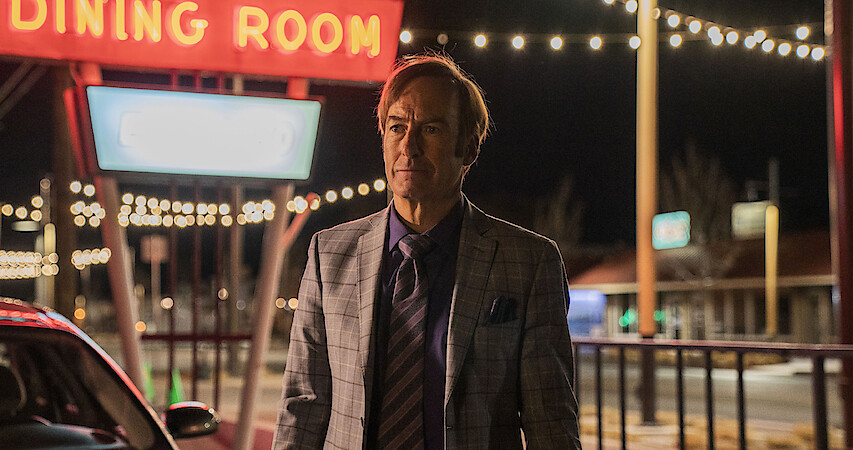
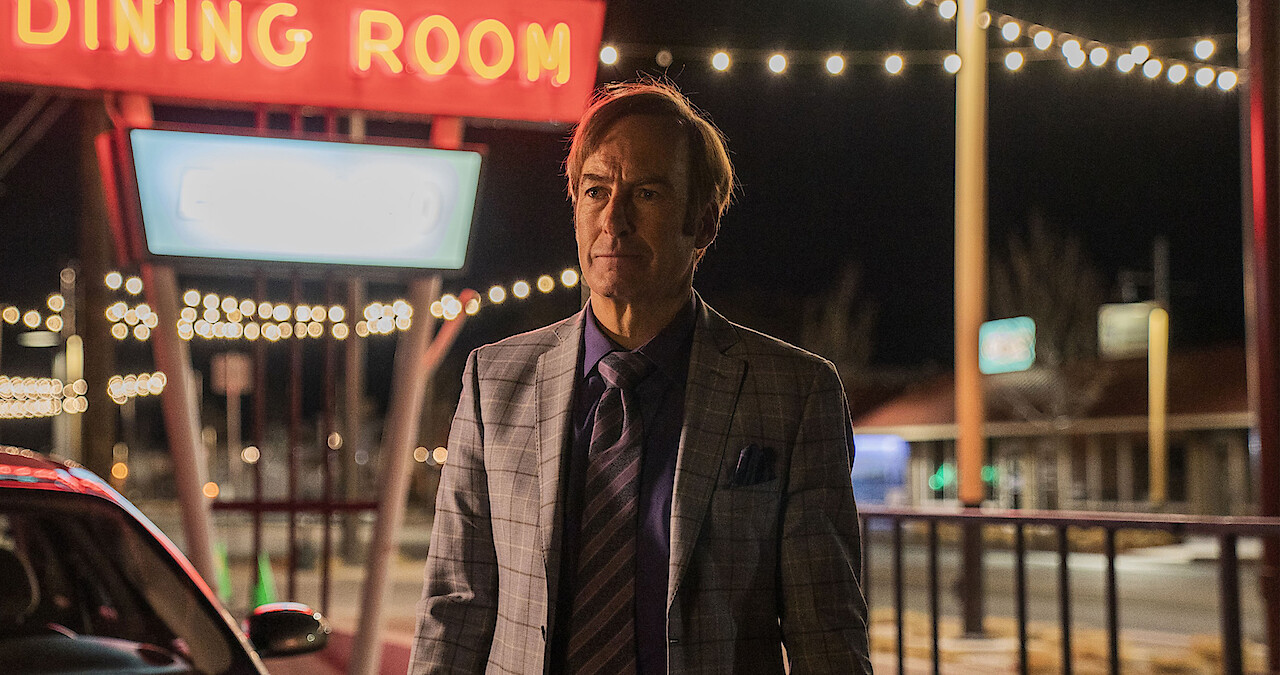
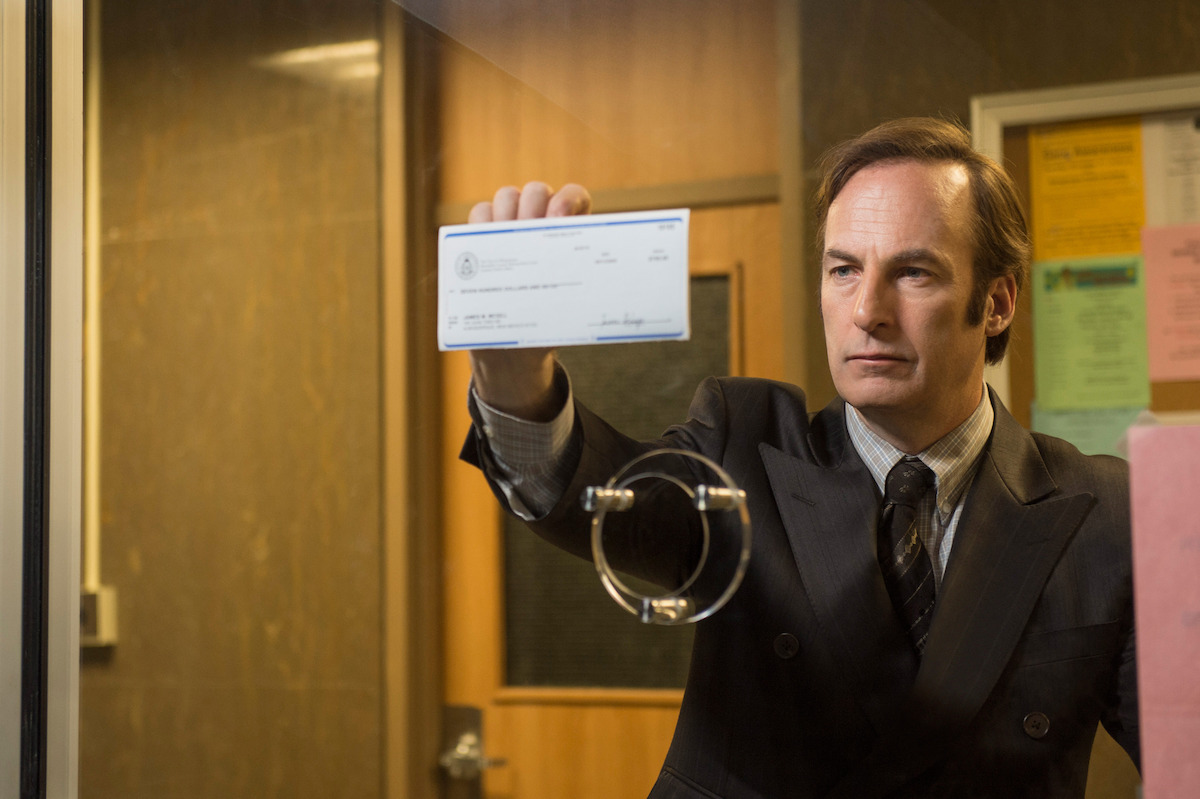
First introduced late in Season 2 of Breaking Bad, Bob Odenkirk’s sleazy criminal lawyer extraordinaire, Saul Goodman, immediately became a scene-stealing fan favorite — and then grabbed the spotlight again in Better Call Saul when it premiered in 2015. Co-created by Breaking Bad mastermind Vince Gilligan and Peter Gould (the writer-director of Saul’s first Bad appearance), Better Call Saul serves as both a prequel and sequel to its predecessor. The series covers the years before the man known as Jimmy McGill becomes Saul Goodman, and, ultimately, Omaha Cinnabon manager Gene Takavic, the identity he takes on following the events of Breaking Bad.

Better Call Saul starts off as more of a courtroom and family drama, but the eventual emergence of Breaking Bad power players like Mike Ehrmantraut (Jonathan Banks) and Gus Fring (Giancarlo Esposito) help raise the stakes and push Jimmy towards breaking bad. In the end, Saul did the unthinkable, becoming more than just a worthy successor to Breaking Bad — it sits alongside it as an equal companion in TV history. With all six seasons now streaming on Netflix, here are the essential episodes to the entire Better Call Saul experience.
Season 1, Episode 1: “Uno”
While sold as a prequel, Better Call Saul begins after Breaking Bad ends. The follow-up series opens in an unexpected way: Told in black-and-white, the first few minutes find a mustached, balding Saul living in Omaha, Nebraska under his alias as Gene, spending his days working at Cinnabon and his nights reminiscing about his glory days as Saul. From there, the action jumps back to 2002, where we meet the man before the myth: Jimmy McGill, a struggling Albuquerque defense attorney. Among the important new characters introduced are Chuck McGill (Michael McKean), Jimmy’s disapproving older brother, who was a successful lawyer until a battle with electromagnetic hypersensitivity confined him to his home; Howard Hamlin (Patrick Fabian), Jimmy’s nemesis and the managing partner of Chuck’s firm; and Kim Wexler (Rhea Seehorn), Jimmy’s close friend and confidant who has risen through the ranks at Hamlin, Hamlin & McGill. The great Mike is hanging around too, working as the courthouse’s parking attendant, but it’s the episode-ending reveal of Breaking Bad’s first big bad that sets the stage for the law and crime crossover to come.
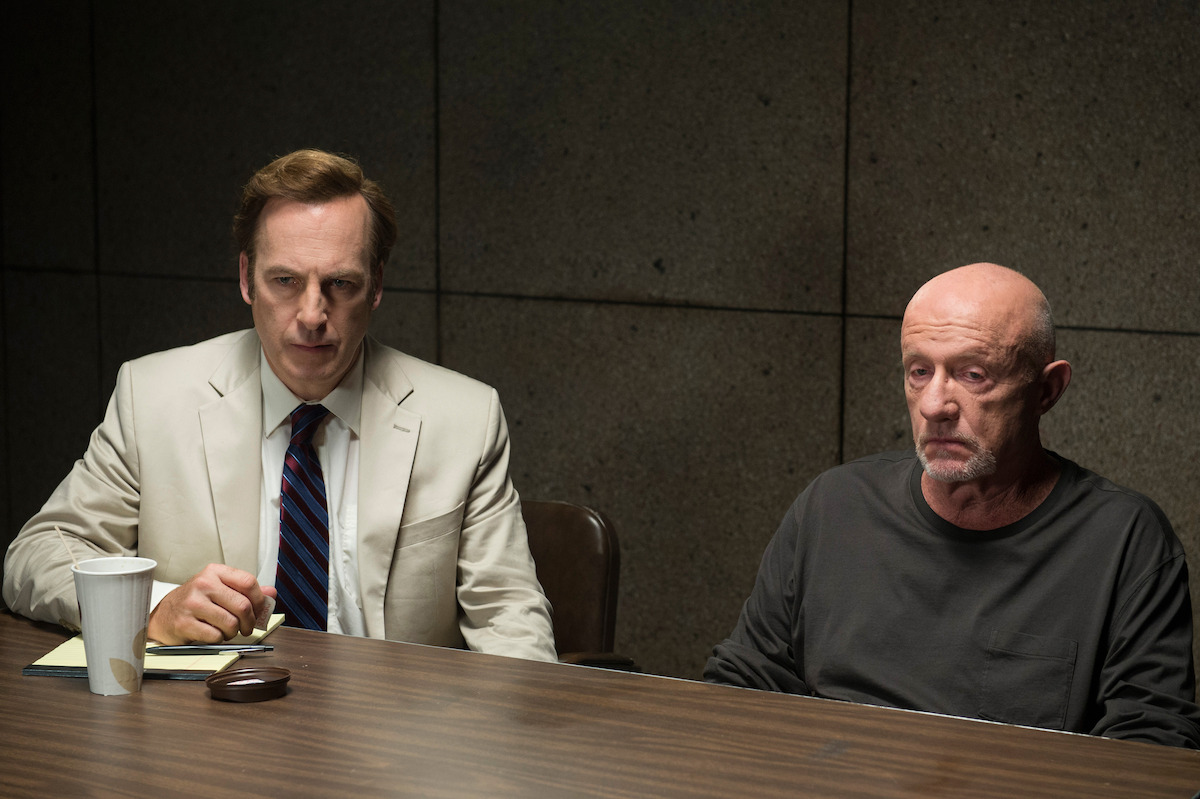
Season 1, Episode 6: “Five-O”
Mike was always a man of few words on Breaking Bad. And for good reason, since the hardened cartel enforcer could put the fear of God into you with just a stone-cold look. While his return in Better Call Saul was a welcome one, these early episodes didn’t provide much of a blueprint for his role on the new series, outside of being a friendly reminder of Breaking Bad and a not-so friendly face as Jimmy and Kim drove in and out of the courthouse. But “Five-O” changed all that. The heartbreaking hour cracked Mike open, revealing why his son was murdered and the steps that he took to get his revenge. The final five minutes are a gut punch as he tearfully tells his daughter-in-law, Stacey (Oscar nominee Kerry Condon), that “I broke my boy.” There wasn’t a dry eye in the Ehrmantraut household, and there won’t be one in yours either.
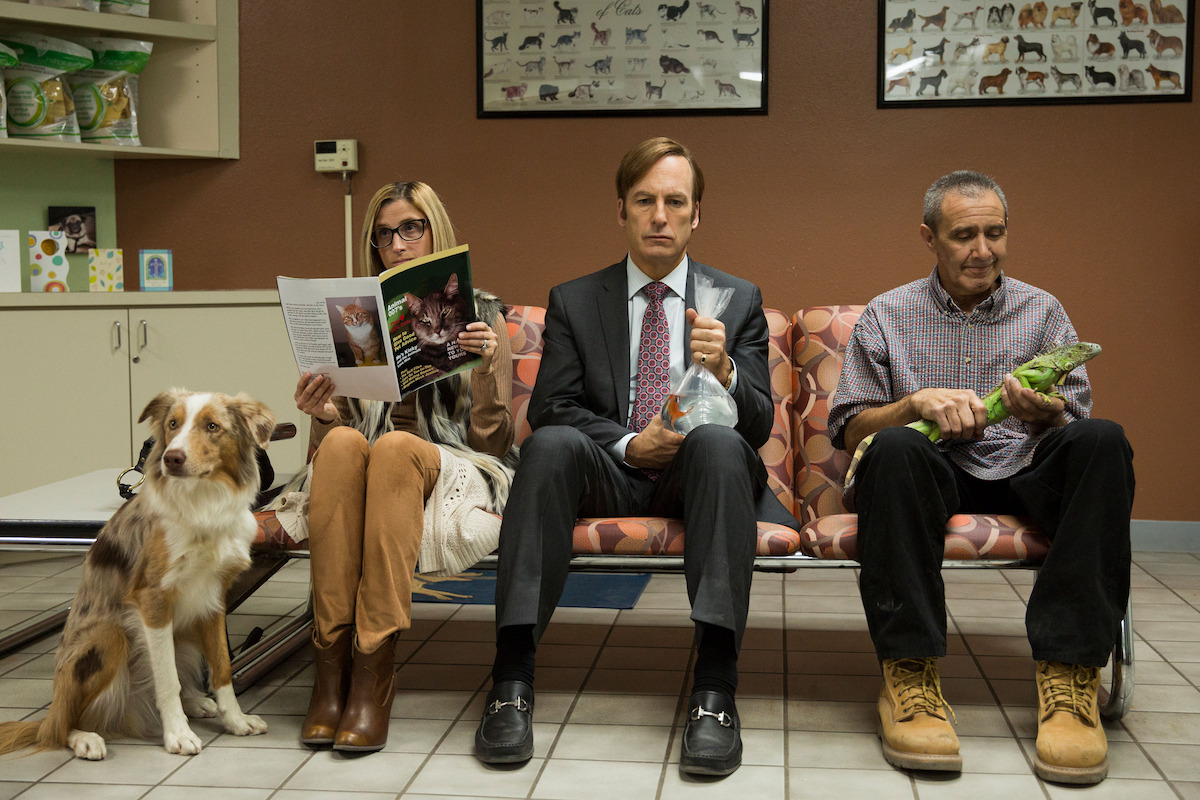
Season 3, Episode 5: “Chicanery”
The face-off between the McGill brothers –– three seasons in the making –– plays out where it was destined to: the courtroom. Jimmy is desperate, on the verge of disbarment due to his taped confession to Chuck that he altered documents. The only way to save himself is to wait for Chuck to take the stand at Jimmy’s hearing and completely embarrass him. The painfully engrossing final third of “Chicanery” features Jimmy questioning his brother and attempting to use Chuck’s condition — and the appearance of his wife — against him. A classic Jimmy move does the trick, but whether or not Chuck is of a valid mental state doesn’t seem likely to the tide in Jimmy’s favor. But the insinuation that his illness isn’t real launches Chuck into a tirade, and this accomplishes Jimmy’s mission. “You think this is bad, this chicanery? He’s done worse,” declares Chuck, who soon won’t be around to see how much worse Jimmy gets.
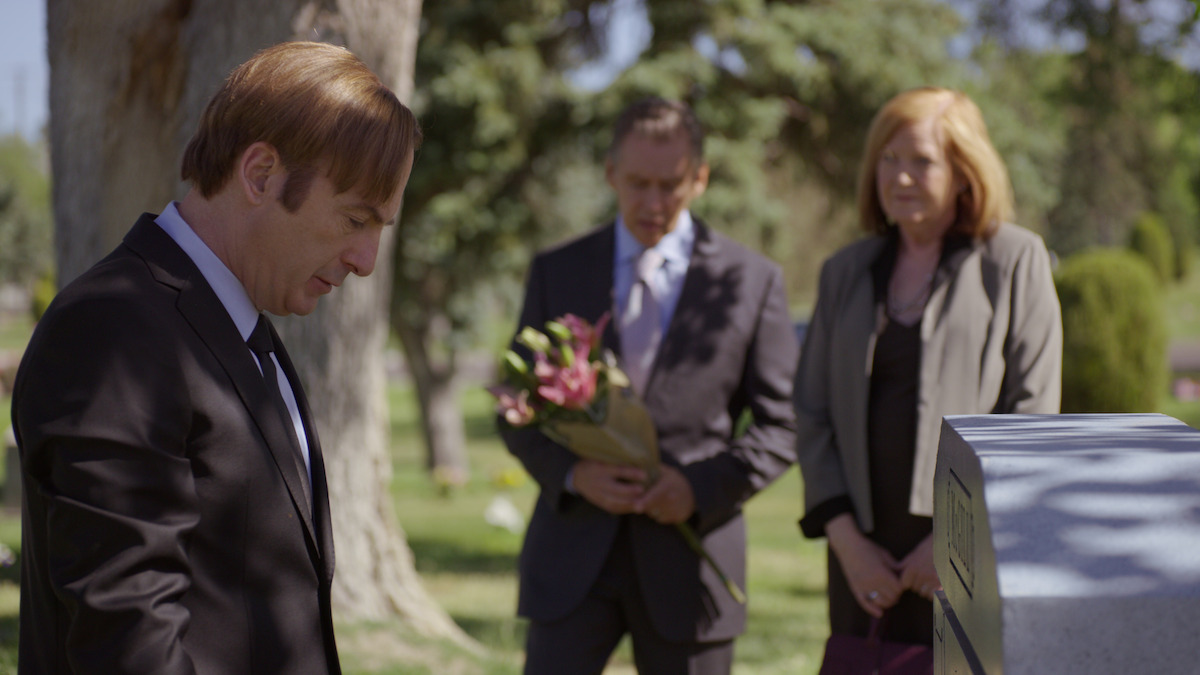
Season 4, Episode 10: “Winner”
The Season 3 finale proved to be Chuck’s swan song, but the elder McGill looms large over Season 4’s conclusion. A flashback finds the brothers in happier times, singing a karaoke duet of ABBA’s “The Winner Takes It All.” Then, during an appeal hearing in the present, Jimmy evokes Chuck’s memory in hopes of being reinstated. “If you decide that I get to be a lawyer, I’ll do everything in my power to be worthy of the name McGill,” he declares, putting a smile on Kim’s face. That look of happiness quickly shifts to a look of shock when she realizes it was all an act, and the official sign that Jimmy has transitioned to the dark side is his decision to practice law under a pseudonym. As he walks away, he turns back to Kim, giving her a pair of finger guns and assuring her, “S’all good, man!” If that wasn’t warning enough of the carnage to come in the final two seasons, the recently-introduced Lalo (Tony Dalton) is already proving to be a cold-blooded killer to be reckoned with.
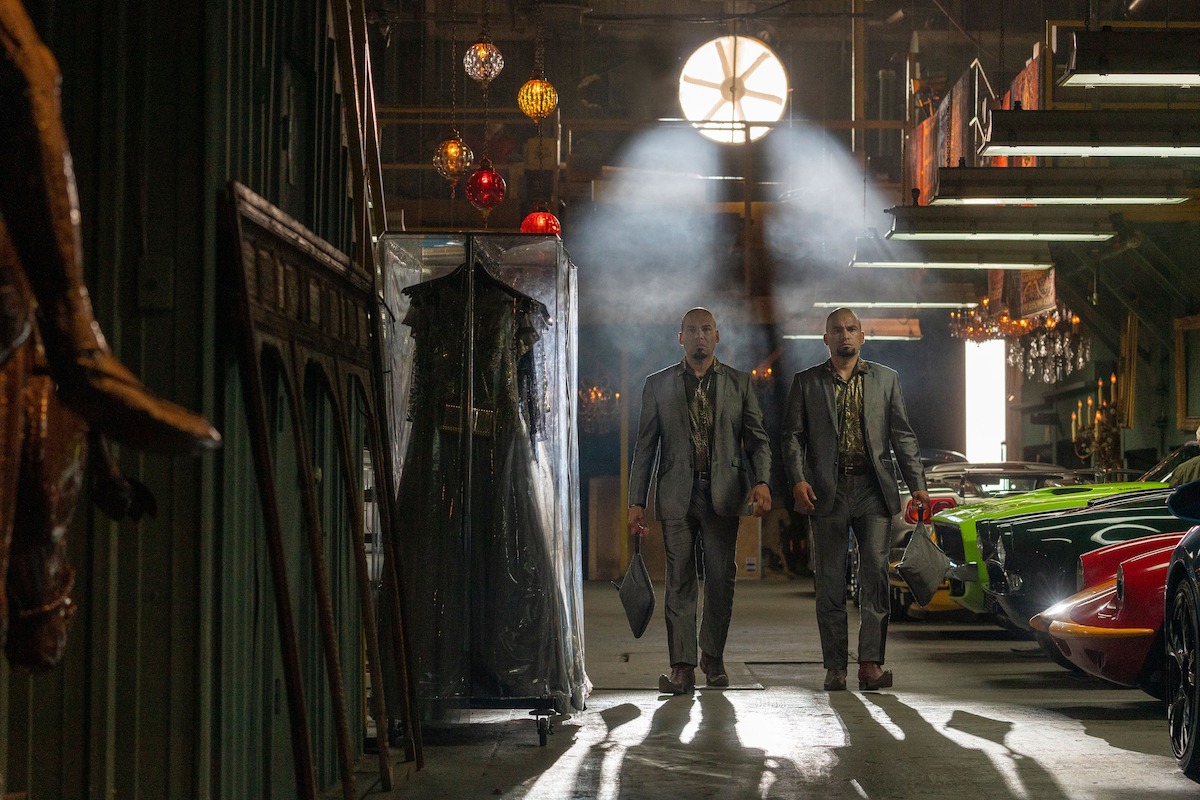
Season 5, Episode 8: “Bagman”
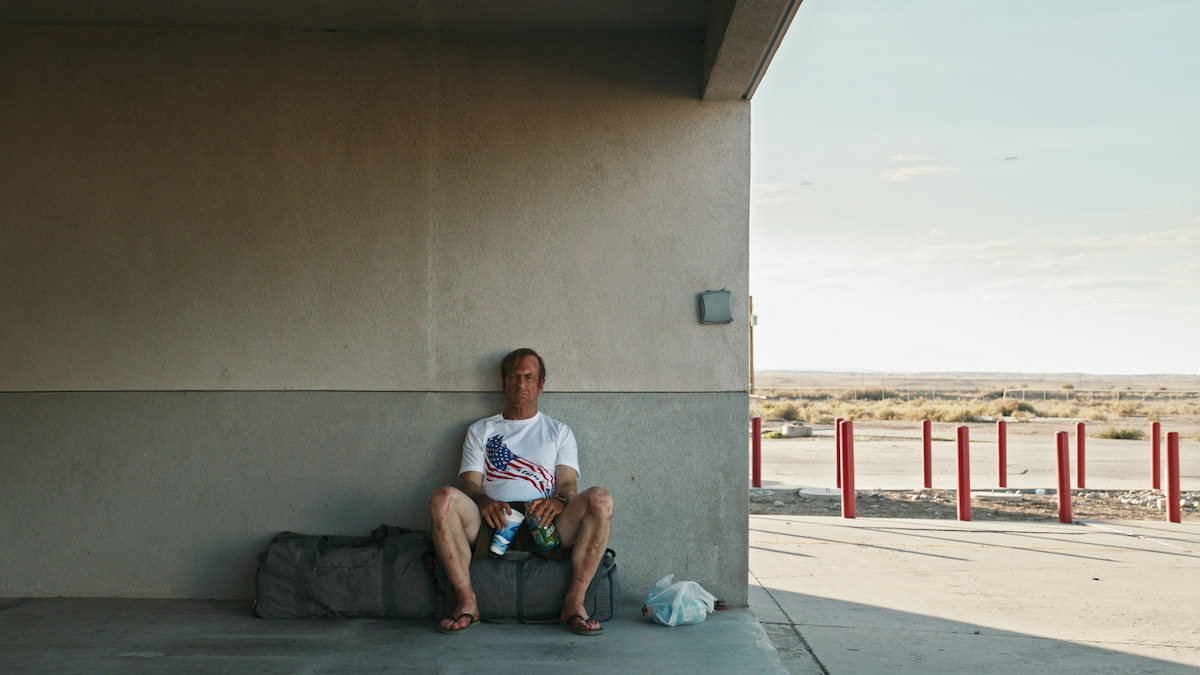
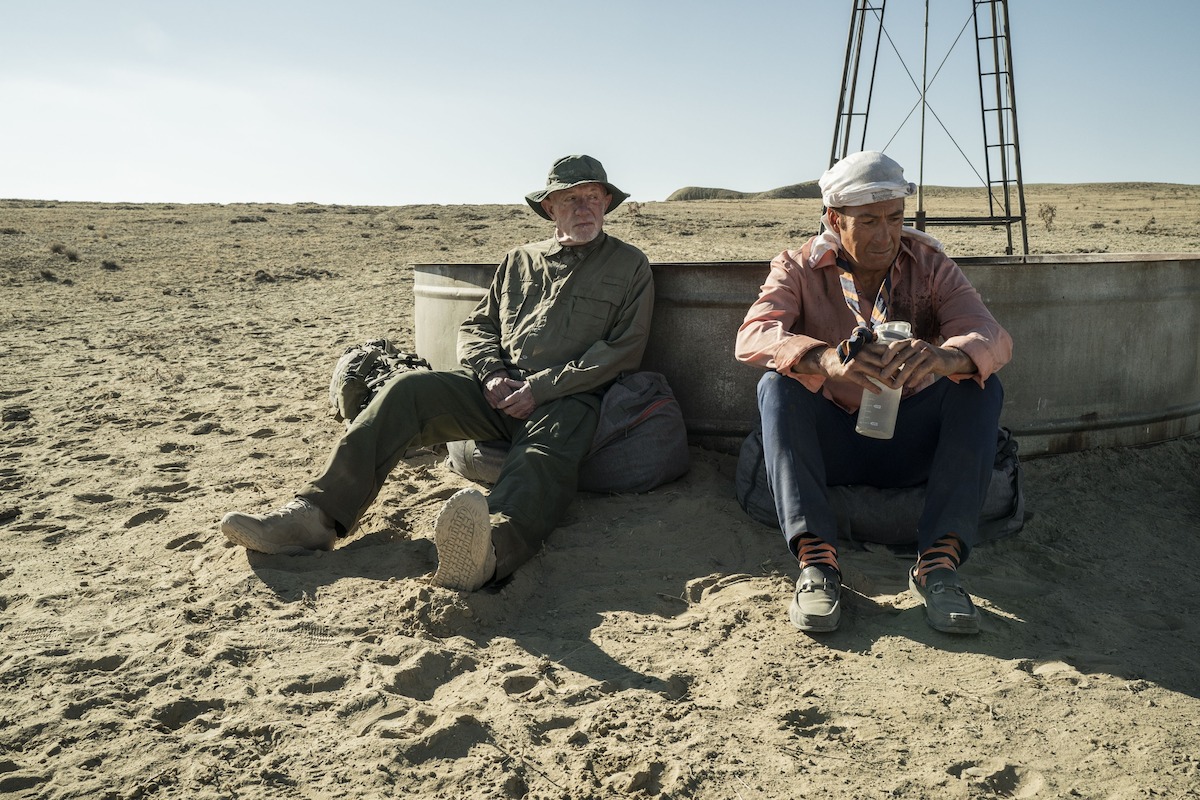
There’s something in the air when Breaking Bad and Better Call Saul head out to the desert. Fittingly, Gilligan continues that trend with the franchise’s version of a survivor thriller mixed with a dark buddy comedy. Directed by Gilligan, “Bagman” follows Jimmy out to the middle of nowhere to make a cash pickup from the Salamanca twins on behalf of his new imprisoned client, Lalo. But an ambush from another party puts Jimmy in the crosshairs; thankfully, Mike is tracking him on behalf of Gus and saves the day. Too bad they’re stuck in the desert with big bags of cash to carry and no transportation, cell service or water. It’s an incredible showcase for our old Breaking Bad friends — and new Better Call Saul favorites. Worried about Jimmy’s disappearance, Kim poses as Lalo’s lawyer to visit the dangerous criminal. As Mike tells Jimmy, “She’s in the game now.” Good for the drama, bad for Kim.
Season 5, Episode 9: “Bad Choice Road”
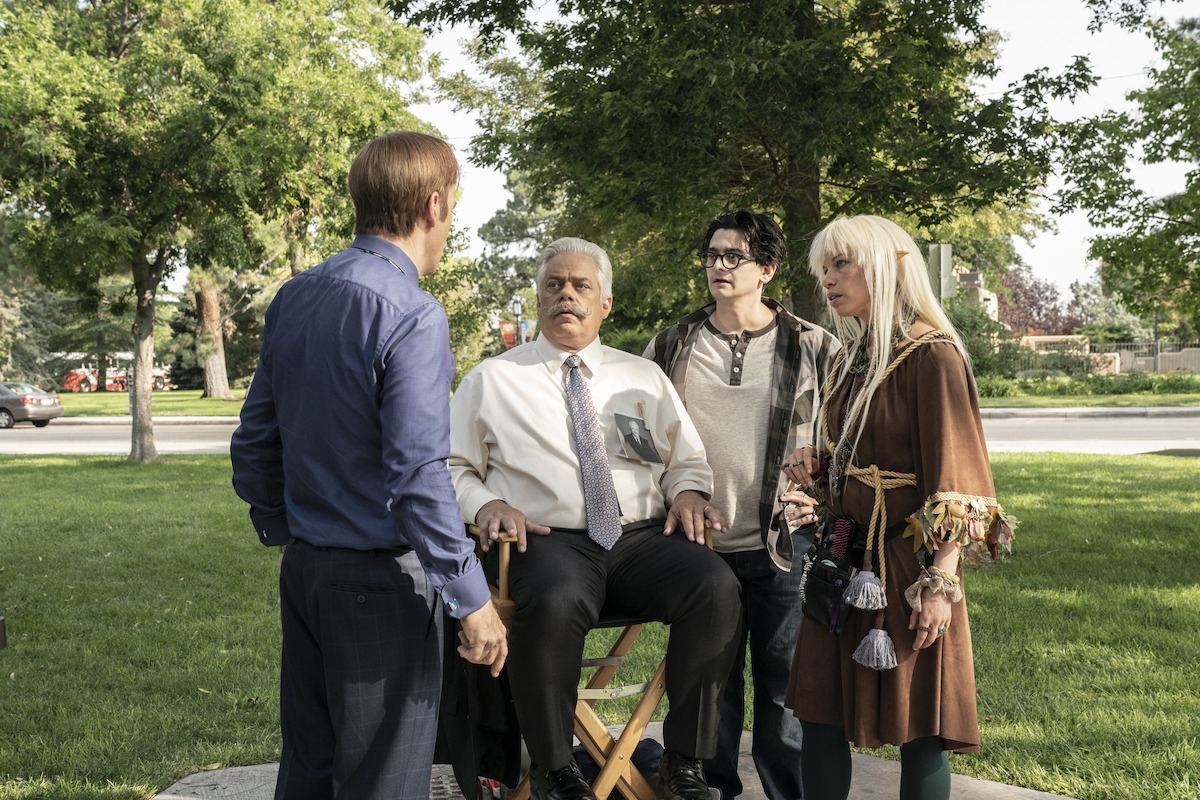
If Breaking Bad taught us anything, it’s to beware of the one who knocks — even those with a charming smile. Essentially serving as the second half of a two-parter with “Bagman,” writer-director Thomas Schnauz’s “Bad Choice Road” begins with Jimmy and Mike finally returning to civilization. It ends with Jimmy wishing he maybe hadn’t. Throughout the indelible hour, Jimmy struggles with PTSD from the events in the desert. Any hope of moving past them is seemingly thwarted by Lalo, who deduces that Jimmy has lied to him about what transpired. Switching gears from his original plan of running back to Mexico, Lalo unexpectedly arrives at Jimmy and Kim’s apartment to both calmly and intimidatingly interrogate his lawyer. (“Tell me again.”) This tense climax looks to be headed down a bad road, until Kim steps up and scolds Lalo for not trusting Jimmy. Lalo walks out, seemingly satisfied enough.
Season 6, Episode 7: “Plan and Execution”
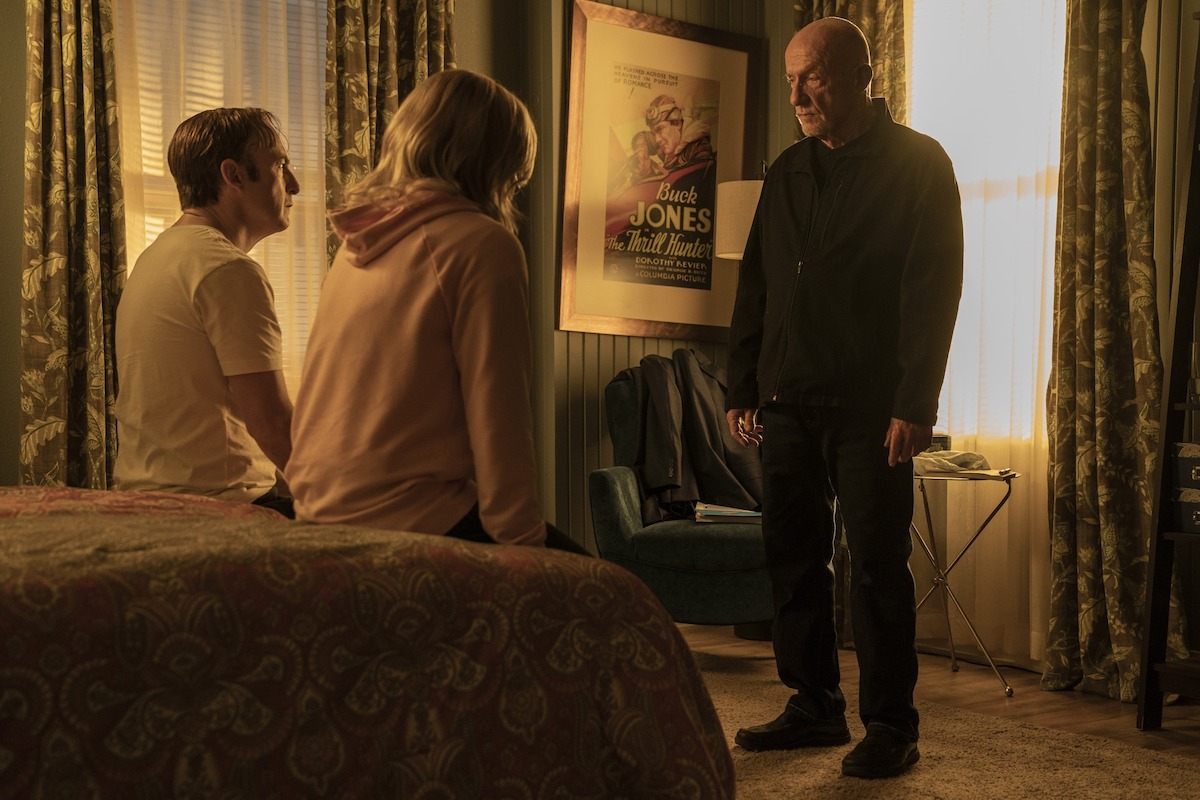
Good news for Howard fans: Jimmy’s jerk foil turned sympathetic target gets his biggest spotlight to date in this episode. Bad news: It’s the final breaths we’ll ever see him take. Jimmy and Kim’s scheme to discredit Howard comes to a head in “Plan and Execution,” with the elaborate plan working to perfection. Fabian is at the top of his game at every step, saving his best for last, when Howard congratulates Jimmy and Kim on their victory. “I thought you did it for the money, but now it’s so clear,” he declares. “Screw the money — you did it for fun.” Sadly, all the fun is quickly over, as Lalo returns to the McGill-Wexler household. Immediately realizing he’s “in the middle of something,” Howard tries to leave, only for Lalo to nonchalantly shoot him in the head. “OK, let’s talk,” Lalo tells Jimmy and Kim, who, understandably, are completely speechless.
Season 6, Episode 8: “Point and Shoot”
“Point and Shoot” picks up right where “Plan and Execution” shockingly ended. With Howard’s body still warm, Lalo sends Kim on a suicide mission to kill Gus. It’s irrelevant that she’s unsuccessful, since he’s only using it as a distraction to sneak into the famed super lab. When Gus catches on and heads to the construction site, Lalo gets the drop on him, and a shoot-out in the dark ensues. Given Gus’ presence in Breaking Bad, it’s obvious who will fall here — but Lalo gets to crack one last smile on his way out. While there’s still one more episode before the story jumps to Omaha and Gene, “Point and Shoot” feels like the end of an era.
Season 6, Episode 12: “Waterworks”
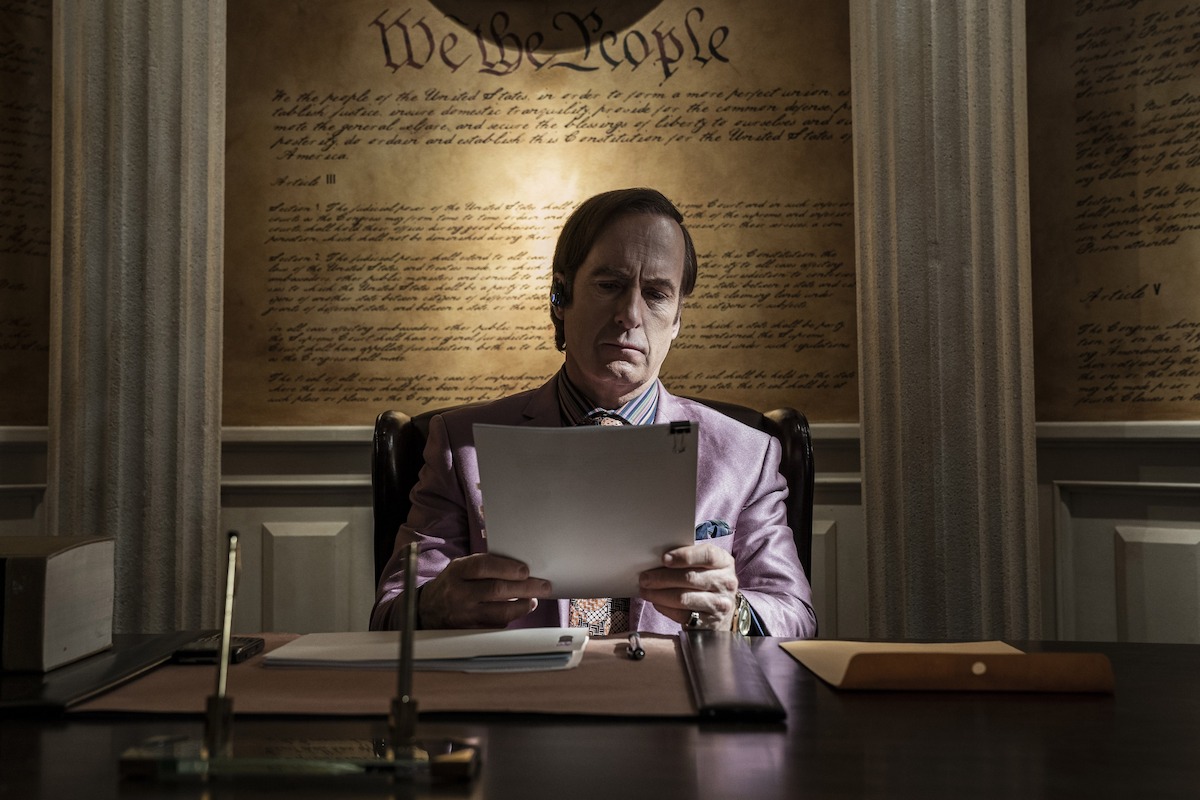
Better Call Saul’s penultimate installment has a lot to love. Gilligan’s final episode! A showstopping Seehorn! The two most endearing, sympathetic Breaking Bad universe characters meeting! Carol Burnett! In the show’s normal timeline, Kim and Jimmy finalize their divorce, with him in full Saul Goodman mode, not showing an ounce of emotion or humanity. On her way out, Kim shares a smoke — and a lawyer recommendation — with our beloved Jesse Pinkman. Meanwhile, as Gene’s criminal scheme in Omaha spirals out of control, we finally catch up with Kim, who’s living a mundane life in Florida. She returns to Albuquerque to reveal what really happened to Howard. Afterwards, the titular waterworks come flowing when Seehorn delivers a sobbing scene for the history books. And of all the people who could have recognized Jimmy/Saul/Gene and turned him in, it’s an old lady named Marion, who happens to be played by franchise superfan Burnett. Our hero is back on the run… but with no one to call.
Season 6, Episode 13: “Saul Gone”
After 11 total seasons, dozens of Emmy nominations and countless iconic performances, the Breaking Bad universe concluded (for now) with “Saul Gone.” Unlike Breaking Bad’s action-packed “Felina,” Better Call Saul’s series finale opts out of shoot-outs and big confrontations in favor of intimate conversations and well-earned nostalgia. In flashbacks, there are welcome cameos from Bryan Cranston, McKean and Banks and, most unexpectedly, the present day features the first Better Call Saul appearance of Betsy Brandt as Marie Schrader. This reminds us of the emotional carnage that Saul left behind in Albuquerque. But “Saul Gone” is at its finest when Jimmy transforms into his showy persona for one last quintessential Saul Goodman performance. It’s a sequence that reminds us why we fell in love with Saul in Breaking Bad and why we fell even more in love with Jimmy in Better Call Saul.