Here’s How ‘The Crown’ Researches Its Royal Subjects
Go inside the yearlong process with the show’s head of research.
By Emily Zemler
Nov. 12, 2022
In The Crown, details matter.
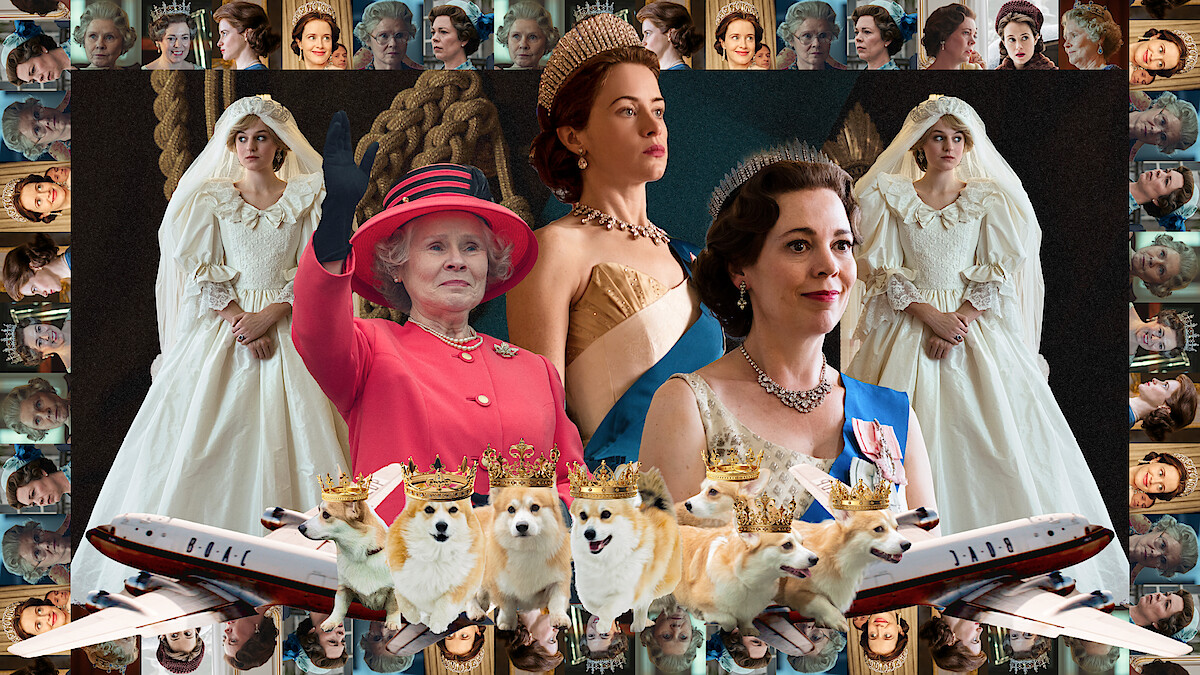
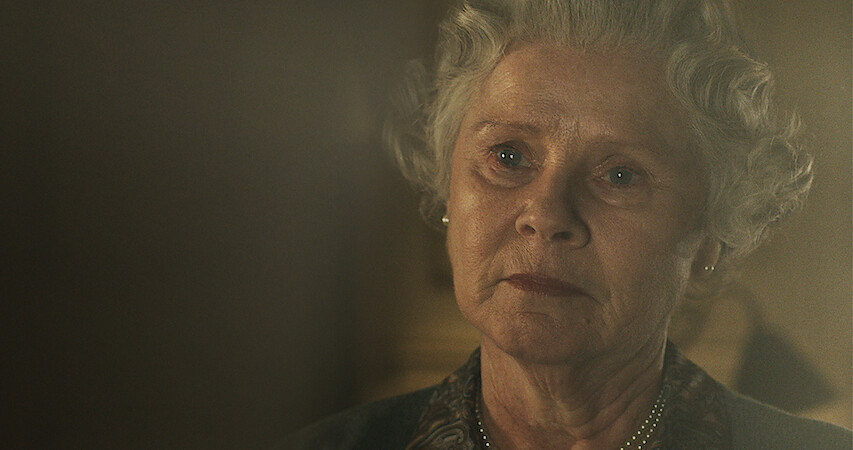
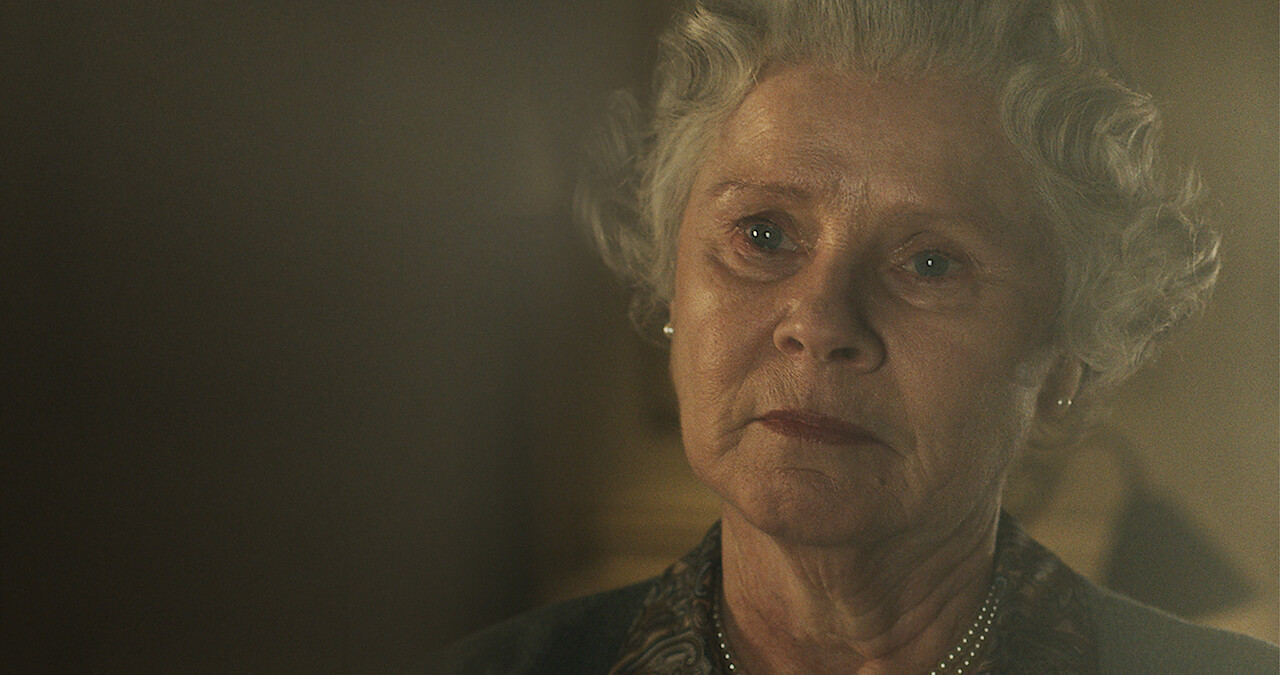
Luckily the series has a master of details… otherwise known as the show’s head of research, Annie Sulzberger. Prior to a new season going into production, Sulzberger and her team spend months delving into the real-life history of the British royal family and the events of each decade throughout Queen Elizabeth II’s life. While the stories on the series are driven by compelling personal drama, as written by creator Peter Morgan, it’s the behind-the-scenes world of research that sets the show apart.

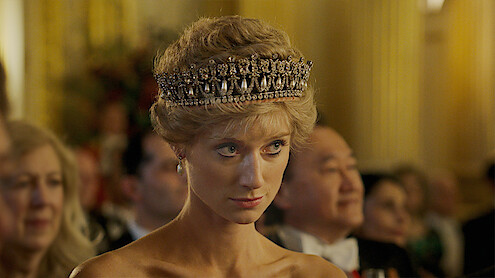
Each season, Sulzberger and her team take the particular period — Season 5 centers on 1990 through 1997, when John Major was prime minister — and build out a timeline of important events. This season, that timeline includes the queen’s famous annus horribilis speech, Princess Diana’s interview for the BBC’s Panorama and — perhaps most important — the end of Charles and Diana’s marriage. All in all, it was a particularly rough time for the royal family, which also presented challenges when it came to writing.
“I knew that we’d probably have to deal with annus horribilis, which would be difficult,” Morgan tells Tudum. “I knew that we’d have to deal with the divorce, which would be difficult. I knew that we’d have to deal with the Panorama interview. These are important cultural and historical events that we need to discuss and need to look at, and drama is an absolutely valuable instrument with which to do that.”
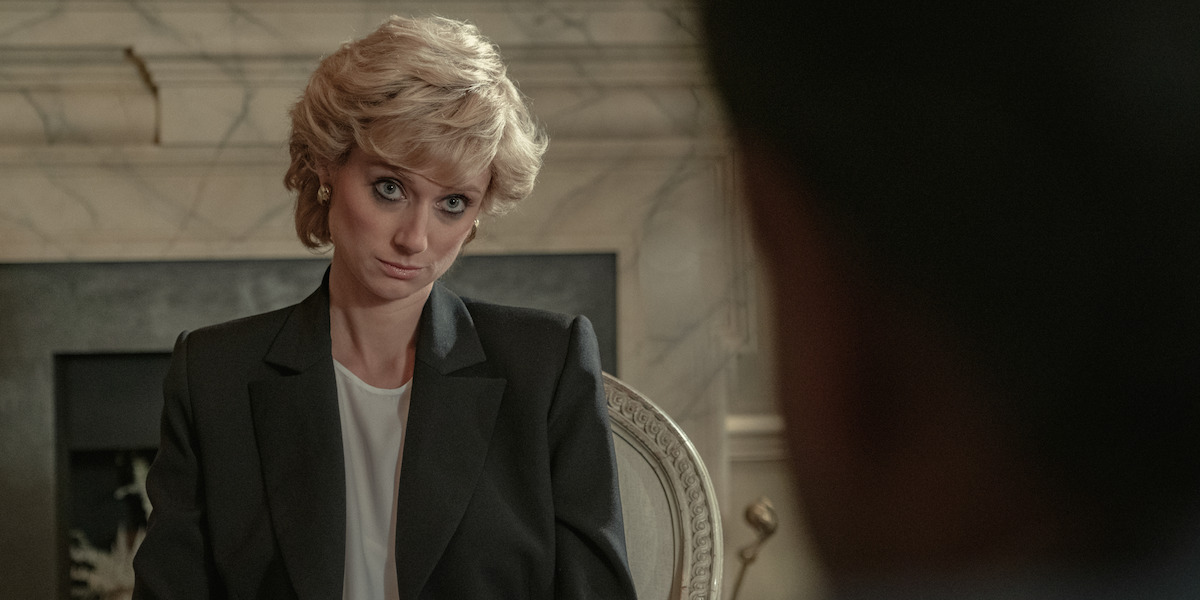
Sometimes, like with these bigger moments, Morgan has certain events in mind going into writing a new season. “He definitely wanted to do Panorama, because he remembers it as being this critical moment, not only for Diana and the royal family, but also for the royals’ relationship with the media, and [because] these two huge institutions — the BBC and the royal family — come up against each other,” Sulzberger tells Tudum. Other times, the research team discovers things that become part of the scripts. These are often details less known to the public — for example, Season 5, Episode 6 depicts Prince Philip giving a DNA sample to help identify exhumed bones that are believed to belong to the massacred Romanovs to whom he is related.


“We show [Peter] these other events maybe he hasn’t thought of before or were more under the radar,” Sulzberger tells Tudum of the process. “Prince Philip’s connection to the Romanovs and then the DNA testing is one of those. It makes him go, ‘Oh wow, there could be a real story about family history and reconciling with your past.’ ”
As Morgan and his staff of writers lay out the plot and dialogue, it’s up to the researchers to annotate the scripts with additional facts. Sometimes those facts are broad, and sometimes they are minute details that allow a scene to feel more grounded.
“It could be [when] Charles and Diana go on their second honeymoon,” Sulzberger says as an example. “We’re going to tell you how they got there, who was on the plane with them, what was the media surrounding it. What was the boat called? How did they get that boat? What did they do on the boat? We start taking our research and put it into [Peter’s] dramatic outline. We never know what little detail will actually be a really good trigger for a great scene.”

In order to undertake the in-depth level of research necessary, Sulzberger and her team have built an extensive library of around 1,000 books, which are housed at Left Bank Pictures, the show’s production company. They also look at online library databases to uncover press clippings from specific dates, and they speak with confidential sources close to the royal household. For Season 5, many of the newspaper and magazine articles from the ’90s required additional verification from consultants due to their portrayals of Prince Charles and Princess Diana.
“Unfortunately we’re in this period where the tabloids are not trustworthy,” Sulzberger explains. “And then royal biographers themselves would often be either pro-Charles or pro-Diana — or they’ve actually been paid to be so. So then that itself is questionable… We have to do a lot of due diligence of trying to review the material and have proper brainstorming sessions about what we trust and what we don’t.”
An aspect of Season 5 that required a lot of research was the “War of the Waleses,” a term given to the contentious separation — and ultimate divorce — of Prince Charles and Princess Diana, aka the Prince and Princess of Wales. Beyond looking at how the couple was depicted in the press, the team took into consideration how the split was handled by the UK government at the time. One of their best sources, however, was Andrew Morton, who wrote a 1992 biography of Diana titled Diana: Her True Story. Morton was able to fill in many of the nuances of how the book, which was written with Diana’s participation, came together.
Sulzberger says that Morton’s memory of the writing process was particularly helpful since the operation was shrouded in such secrecy and therefore not necessarily reported on accurately elsewhere. “Morton is someone who feels very strongly that [Diana] was still doing [the book] to help the marriage,” says Sulzberger.

The entire research process for a season of The Crown typically lasts for more than a year and continues during filming so that the actors always have access to background information. “Two weeks up until it films, we do a final pass on all scenes,” says Sulzberger. “It’s our last chance to be like, ‘Hey, we found this wonderful nugget; should we include?’ ”
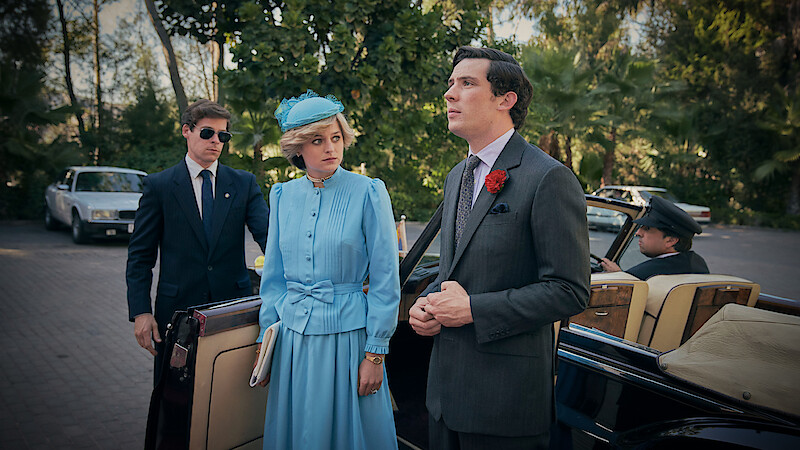
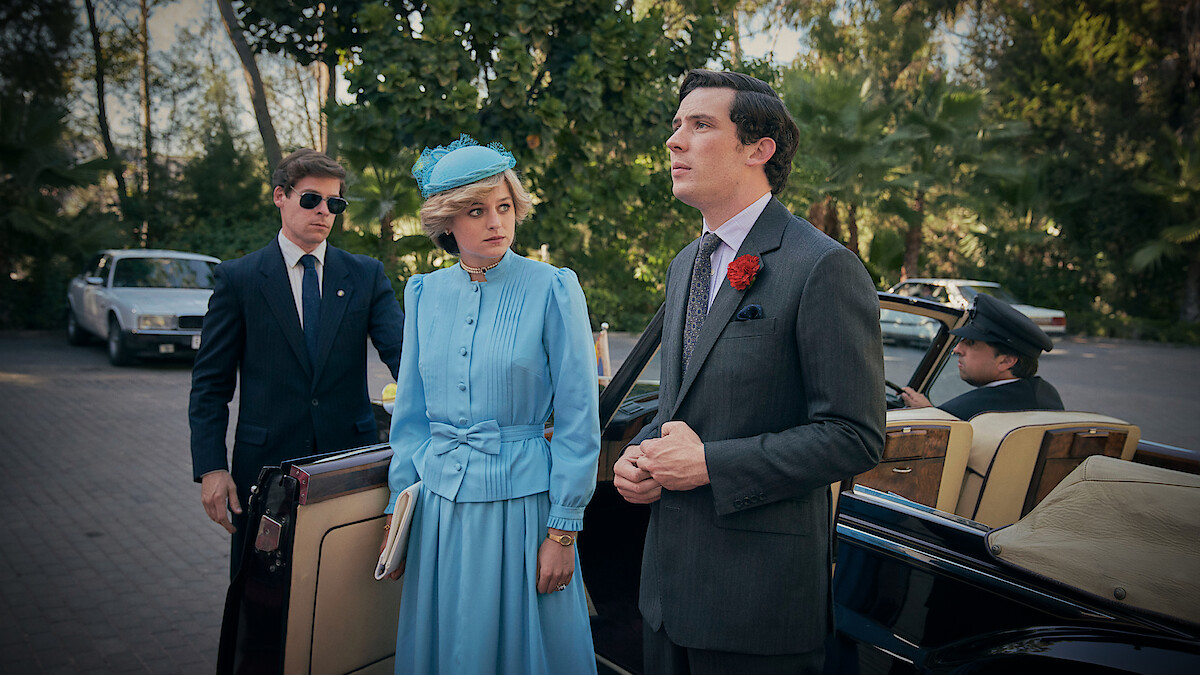
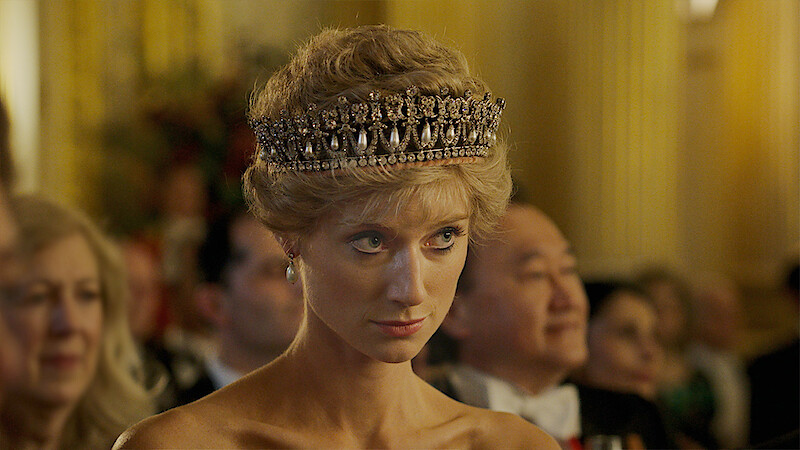
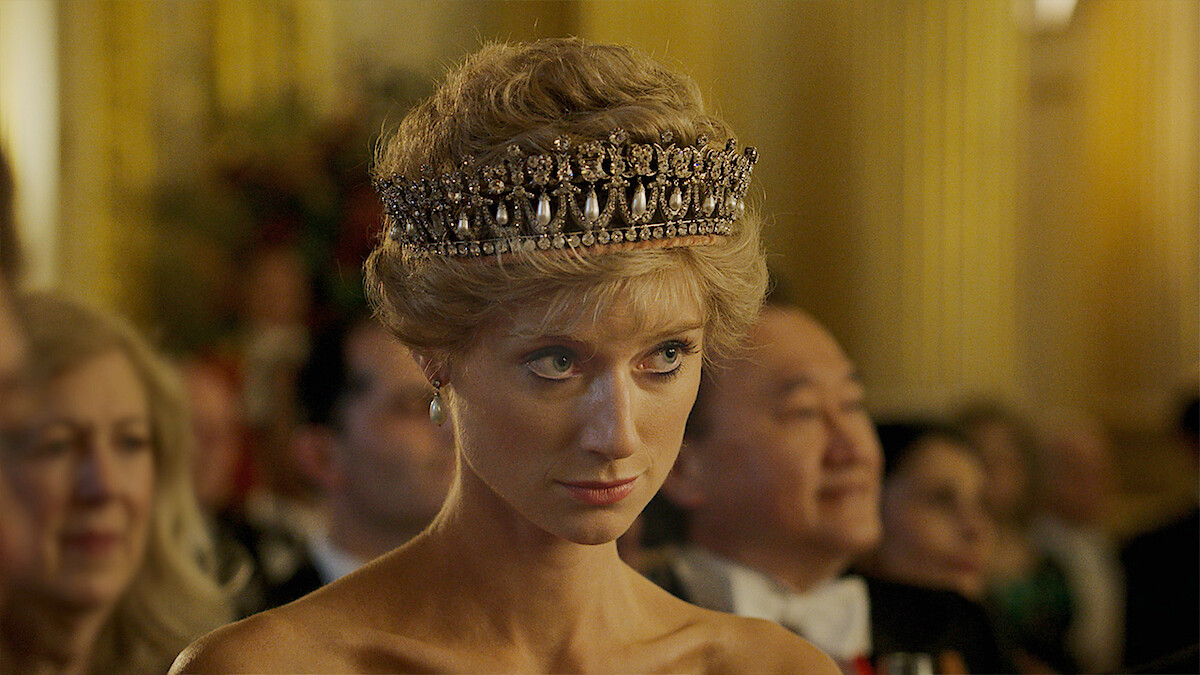
As the show goes into production, the research team continues to add new discoveries to the scripts and also creates a visual reference document, which is sent to all of the departments, including costume, sets, and hair and makeup.
“That way we get fewer questions coming in from departments at the last minute,” Sulzberger says. “Before costume has bought a dress, they know what [Diana] really wore on that day. Or before graphics calls and says, ‘We need to clear a paper,’ we’ve got the image of the paper there.” Indeed, the document is so thorough that it’s often up to 150 pages long and includes numerous cultural references. “We have one member of my team who just [works on that document] for about six months for every episode,” she says.
In Season 5, those cultural references included Game Boys for the young princes, VHS tapes in Princess Diana’s Kensington Palace apartment and even music choices for certain scenes (such as Mariah Carey’s “Emotions” in the premiere). The new batch of episodes also features a memorable moment from pop culture history, which the team readily reimagined and helped recreate.
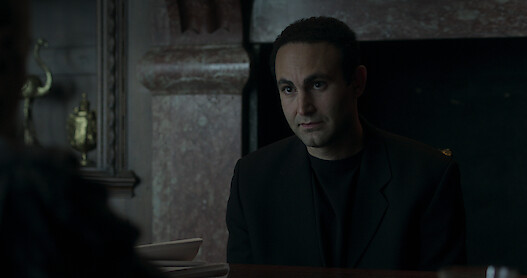
“Chariots of Fire [was funded] by Dodi Fayed and Mohamed al-Fayed, so that was our big ‘Remember when?’ with the Oscars and the fact [that] they actually got thanked in the Oscar speech,” Sulzberger says. “That was our big re-creation of something cultural. We created the run down the beach [from the film] and then we used the archive footage of [the film] winning the Oscar. And because Dodi and Mohamed didn’t go on stage, we were able to use the full thing.”
It really is all in the details.