‘The Sandman’ Episode 11 Ending Explained
Showrunner Allan Heinberg reveals what happens to Calliope and what the heck a trichobezoar is.
By Lawrence Yee
Aug. 20, 2022
The bonus episode of The Sandman brings two more stories from Neil Gaiman’s comic book to the screen: “A Dream of a Thousand Cats” and “Calliope.”
“Calliope” is the final story of Season 1 and perhaps the most disturbing. Warning, major spoilers ahead.


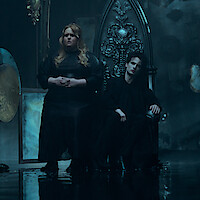

The story revolves around the Greek muse Calliope (played by Melissanthi Mahut), who’s magically imprisoned by a novelist named Erasmus Fry (Derek Jacobi). Fry forces himself upon Calliope for decades, receiving creative inspiration in return. Nearing the end of his career and life, Fry seeks to trade Calliope to another author named Richard Madoc (Arthur Darvill) in exchange for a trichobezoar, a ball of undigested hair believed to have healing properties.
At first, Madoc is hesitant about abusing another being for his personal gain, but with the deadline for his second novel past due and no words on the page, Madoc strikes a dark deal with Fry and enslaves Calliope.

Like Fry, Madoc locks up and abuses Calliope, and this enables him to deliver his second book to rave reviews. Calliope calls out to her ex-husband and lover, Dream (Tom Sturridge), for help. Dream comes to her aid and curses Madoc with too many story ideas. Madoc begins to go mad and instructs one of his admirers, Nora (Amita Suman), to free Calliope. When Nora unlocks the room in which Calliope was imprisoned, all she finds is a copy of Here Comes a Candle, one of Fry’s books that went out of print years ago.
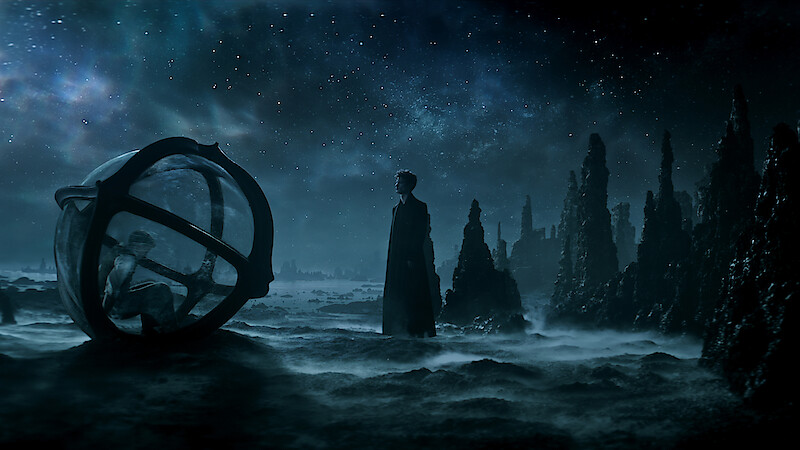
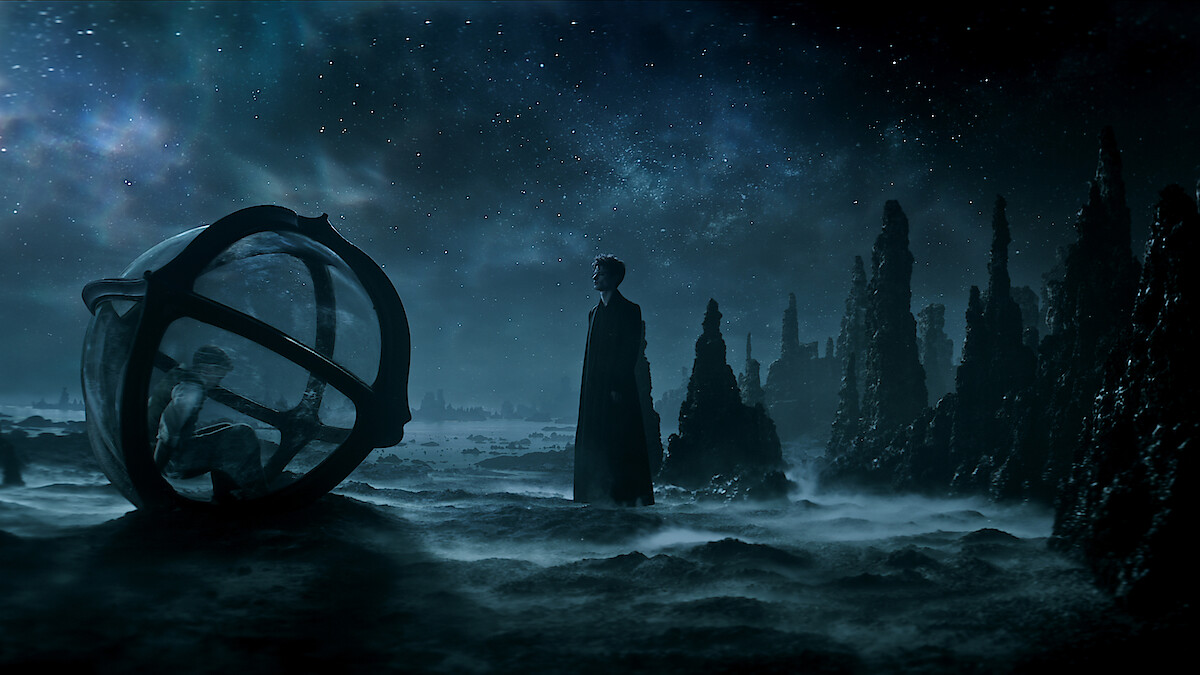
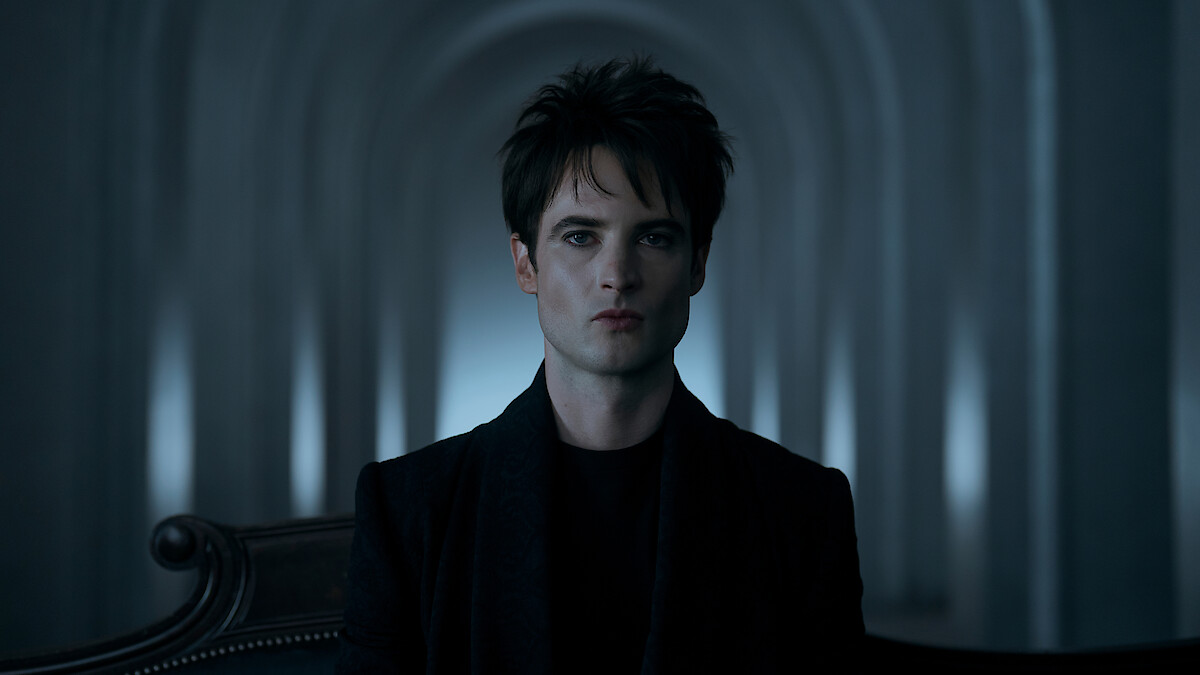
A freed Calliope thanks Morpheus and asks him to remove the curse on Madoc. She asks Morpheus if she can visit him in the Dreaming so that they can grieve the loss of their son, Orpheus. But Morpheus isn’t ready to confront his past, telling her, “One day, perhaps.”
Tudum recently caught up with executive producer Allan Heinberg to talk about “Calliope” and its ending.

What was behind the decision not to show Madoc assaulting Calliope on-screen? You see him emerge with his shirt unbuttoned and a bloody scar on his cheek. Was that taken from the comics?
In the comics, Madoc is such a depraved person. He’s a serial rapist. I knew that we wanted to approach the material sensitively. And I knew that I wanted to create a version of that character who could be understood by the audience and who was relatable, [someone] backed into a corner so that we couldn’t dismiss him as a monster. Otherwise, the story doesn’t have power.
[The assault] is depicted in the comic, and Neil [Gaiman] never intended that moment to be drawn. It’s absolutely brutal. And something in no way we want to dramatize or glamorize; that’s just not something I need to see on television represented. I think it’s far more horrible if it’s implied, and the viewer has to do the math in his head [rather] than to watch this man impose himself violently on an eternal being.
And I thought the way that Louise Hooper directed that moment, with the camera doing the slow zoom in on the blank [computer] screen as we listen to him knock on Calliope’s door and force his way in, was so much more disturbing. And it told the story, which is he’s doing this because the screen is blank. He’s not doing this for any other reason except his desperation.

When Nora goes to free Calliope, all she finds in the room is a copy of Here Comes a Candle, the novel Erasmus desperately sought to get back into print. What do you think the symbolism is behind that?
That scene comes from the comic book. I think at that moment, the muse is gone and the product of her time there is what’s left behind in the world.
I think readers and viewers can interpret it in a number of different ways: This creature was held prisoner for decades upon decades only for this — this thing that isn’t in print or that people aren’t even reading. Or it can also be taken as a sign that literature lives on and hopefully sends a message to future generations about the dangers of sacrificing others for one’s own advantage.

“Calliope” very much mirrors the first episode “Sleep of the Just,” where Dream himself is imprisoned by a mortal for over a century. Were there parallels you wanted to draw between Episode 1 and Episode 11?
It’s all very intentional and all in the source text for us. In the comics prior to this, Dream had a really bad breakup with Calliope around the violence that happens to their son, Orpheus. And he’s never shown her any compassion towards the end of their marriage. But because of what’s happened to him, his response [to her call for help] is much different had he not been captured and imprisoned.
This interview has been lightly edited for clarity and length.