Nick Thompson for Netflix
Elizabeth Debicki on Finding the Joy of Princess Diana in ‘The Crown’ Season 5
The actor teases what to expect come Nov. 9.
Nov. 7, 2022
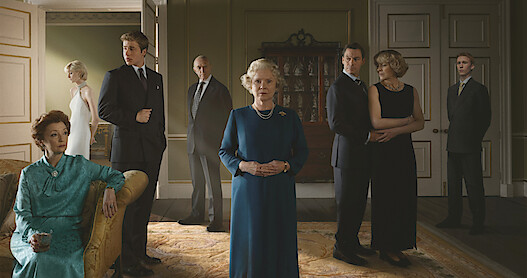
The Season 4 finale of The Crown ends with Emma Corrin’s Diana standing on the edge of a family Christmas photo. Nearly a decade into her marriage, she’s finally coming to terms with the fact that things haven’t gone as planned. As Princess of Wales, she’s a central figure in the royal family; but as an individual, she feels very much out of place in a system designed for conformity. The camera slowly zooms in on her face, and she appears both determined and resigned as she contemplates what to do next.
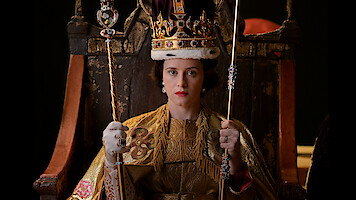



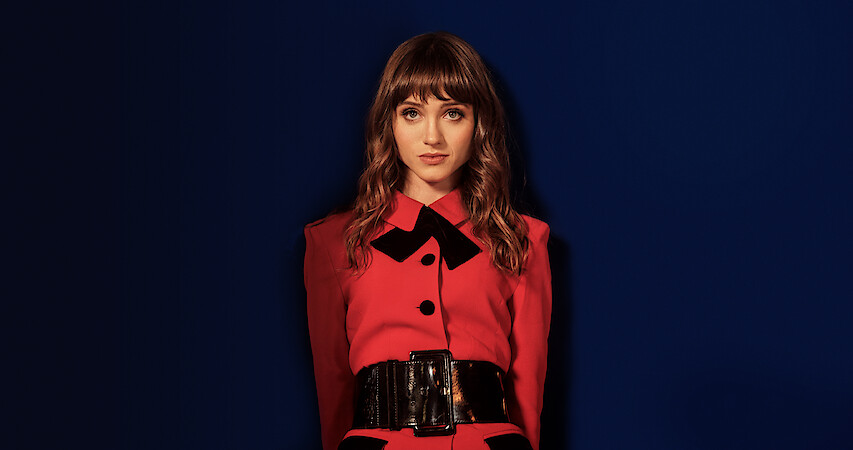
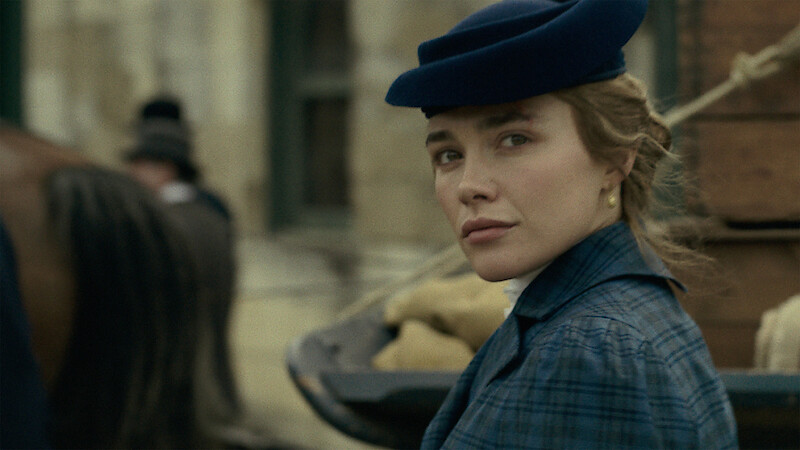
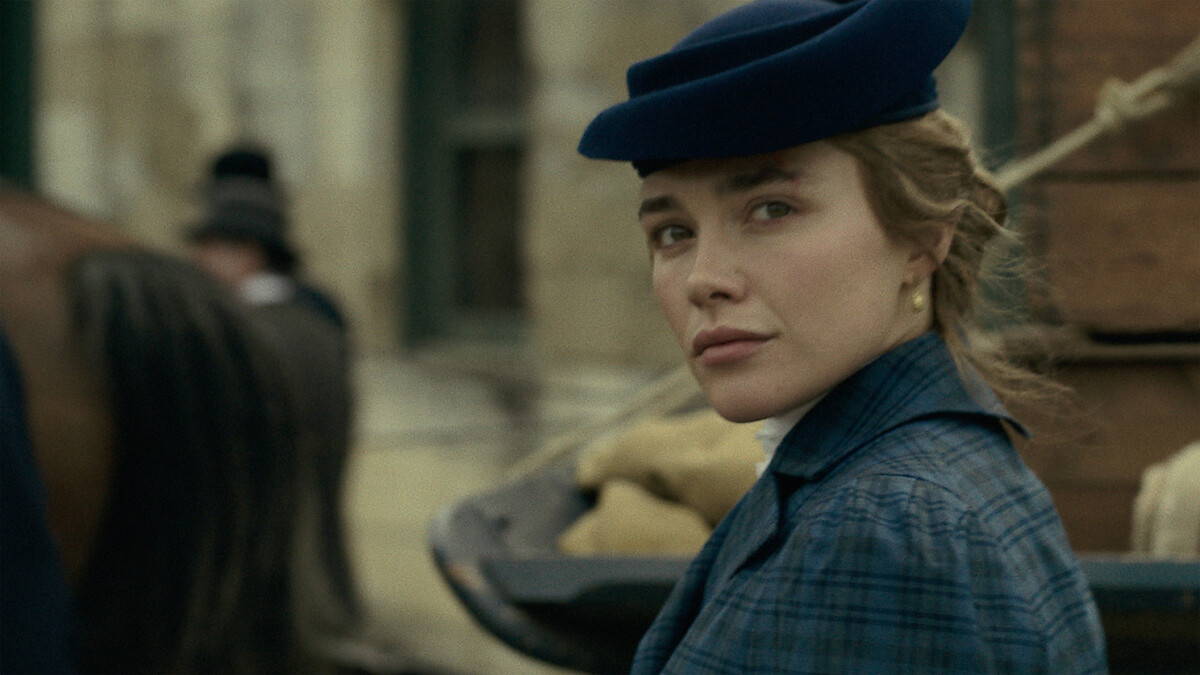
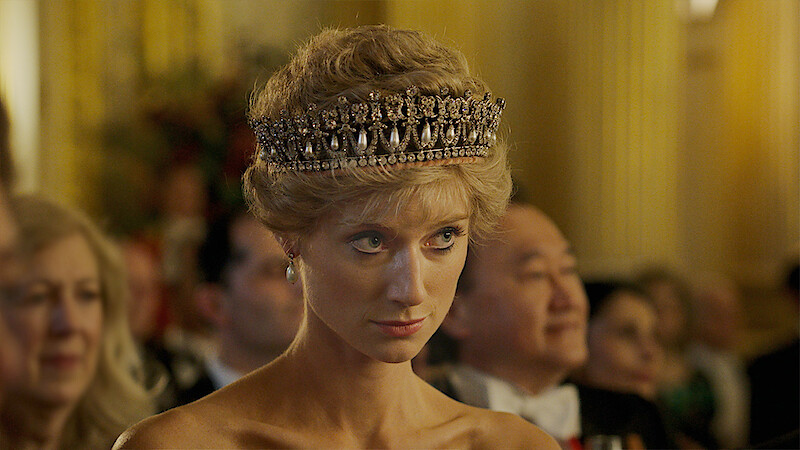
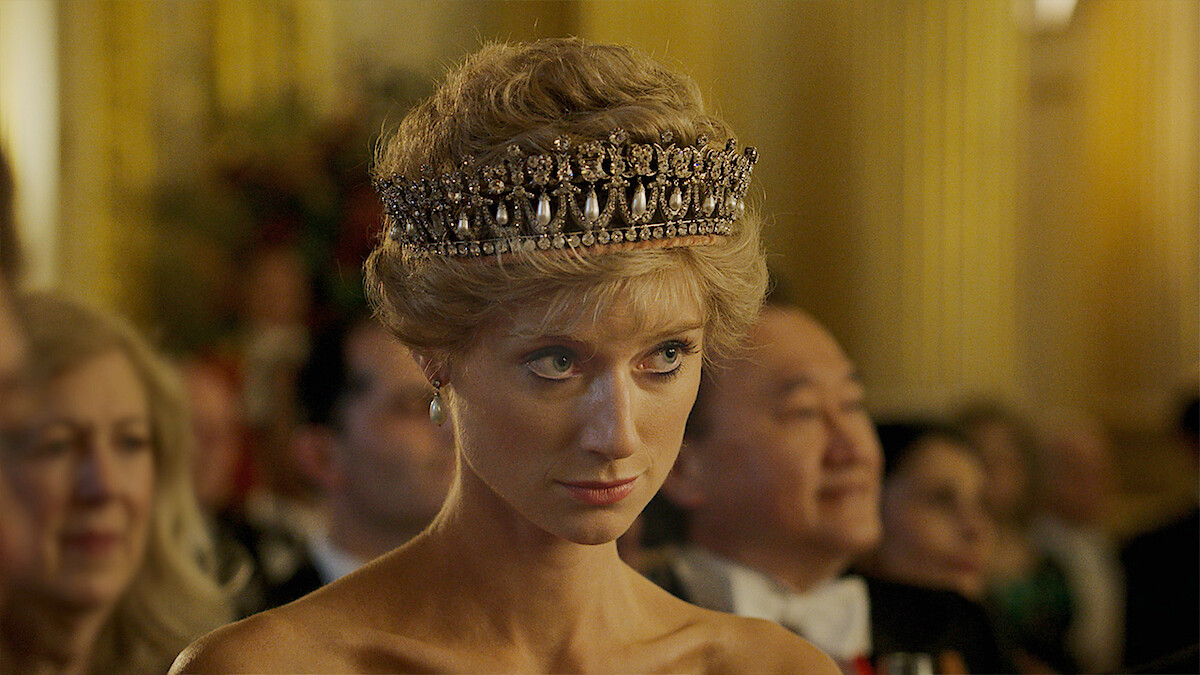
Season 5, which premieres on Netflix on Nov. 9, ushers in a new chapter in Diana’s story. Now played by Elizabeth Debicki, the character encounters challenges and triumphs as the series enters the ’90s, a decade of turmoil and self-discovery. You may recognize some familiar themes: Once again, Diana’s relationship with Charles (now played by Dominic West) is on shaky ground, and she chafes at the rigid rules that govern the members of the House of Windsor. But unlike her younger self, this version of Diana is never skirting the frame. Even through losses and setbacks, she plunges into the spotlight, embracing the heady brew of style, empathy and charisma that made her one of the most famous women in the world.
Ahead, Debicki reflects on her transformation into this more recognizable Diana and teases what to expect from the character (revenge dress, anyone?) this season.

How would you describe Diana’s mindset when we meet her at the beginning of Season 5?
I feel like it’s a pretty direct pickup of where we left with Emma [Corrin] playing Diana. The character’s trying to conform and make peace with things within the family that she’s in and within the marriage that she’s in. I think that there is a hopefulness that things can be repaired, when we first pick up. It’s very interesting playing these characters because we pick up the bat of what’s been laid out before us. It’s a unique way to start playing a part, really, because there’s a transition that the writing seamlessly does, and then we, as the actors, have to take this leap of faith, and then the audience does it with us. It’s unusual, but it’s also really exciting and it’s challenging.
The season spans several years. How does Diana’s attitude evolve as time goes on?
What Peter [Morgan] gave me as an actor through the season [is] this enormous and super complex emotional and psychological journey; so many things happen to her, and she also causes a lot of things to happen. We watch her rebound through all these different elements of the plot, but also how the effects that have accumulated weigh on her. There’s a sense of loss, but it’s a new beginning. [She’s] coming home to something very old in herself that’s always been there and that maybe got put on hold when she was trying to conform and play by the rules for so long. All these characters, in their way, are survivors and they survive a tremendous amount, and we get to watch them evolve and that’s what’s so exciting and interesting as an audience member.

Stepping into this role means mastering certain physical elements: Diana has a very specific way of looking at people and manner of speaking. How did you approach those parts of the character?
We have a movement coach on this show, Polly Bennett, and it’s her job to create time and space for us to have the conversation about the physicality of the characters. We’re drawing upon a huge amount of research — having her there is [a way of] countering the active anxiety, the thinking of “How do I translate what I’m seeing in the archival footage, what I know already into something that’s inhabited and embodied and natural?” She’s so deeply valuable to the actors on the show. In the same way that actors often have a dialect coach, that’s a process that’s used as a part of the transformation into a character. This show is also extremely aware that the physicality of these people is so identifiable and also, I think, satisfying for people to watch as well. It’s definitely a serious piece of the puzzle that gets put into place. We spend a lot of time with these characters just living in their bodies.
Diana is someone who’s been so covered by the media and is still very present in the cultural conversation. What surprised you most about the way the series portrays her? Was there anything about her that you hadn’t known or seen previously
These characters are so much a part of our collective consciousness, and depending on how old you are and how much of what we cover this season is your lived memory, you have a lot of connections to [them]. I was pleasantly surprised by [Diana’s] incredibly funny sense of humor; even in the most serious moments of standing very still and being very proper while somebody cuts a ribbon, there’s always this joy, this playfulness there. I always had an understanding that [her] trajectory was extremely difficult. And from watching Emma in Season 4, which documents the early stages of the marriage, I learned so much [about] the inability to change something so that you can feel free or satisfied or loved or cared for. I knew coming in that I was going to pick up that bat, and then we were going to keep telling that story in this season.

Fashion is a huge part of this season — the revenge dress from the trailer is already resonating with audiences. What made Diana’s style so powerful, and how does that come through in the show?
I’ve thought about this a lot in response to my own gut reaction to the idea that I would come anywhere near the ensembles and how would I wear them. Does it wear you? How do you inhabit it and make choices about it? The one thing I can say with absolute certainty is Princess Diana herself was so profoundly cool and groundbreaking with fashion. She was really transgressive. She really made choices that other people weren’t making. And I think one of the reasons she resonates so strongly... What makes somebody iconic fashion-wise? I always get the sense when I’m looking at photos of her that she’s dressed herself. And I know that sounds like a really banal thing to say, but in the landscape of celebrities being photographed 24/7, that’s a really powerful thing to do, to say, “You know what? I’m going to decide what the silhouette is. I’m going to decide what the narrative of this outfit is. I’m going to speak through my clothing.” And she really did that.

The other thing to remember is that she’s operating within the royal family. At that point, there was a great deal of dress code in place, so she was really making choices with a framework, but then often was really pushing boundaries. It’s so different from what the rest of the royal family are doing and what the protocol suggests you have to do. I think that resonated as a form of strength. I still don’t know anyone who can wear those ensembles like she can. It’s so chic and it’s so cool and it’s so fresh.
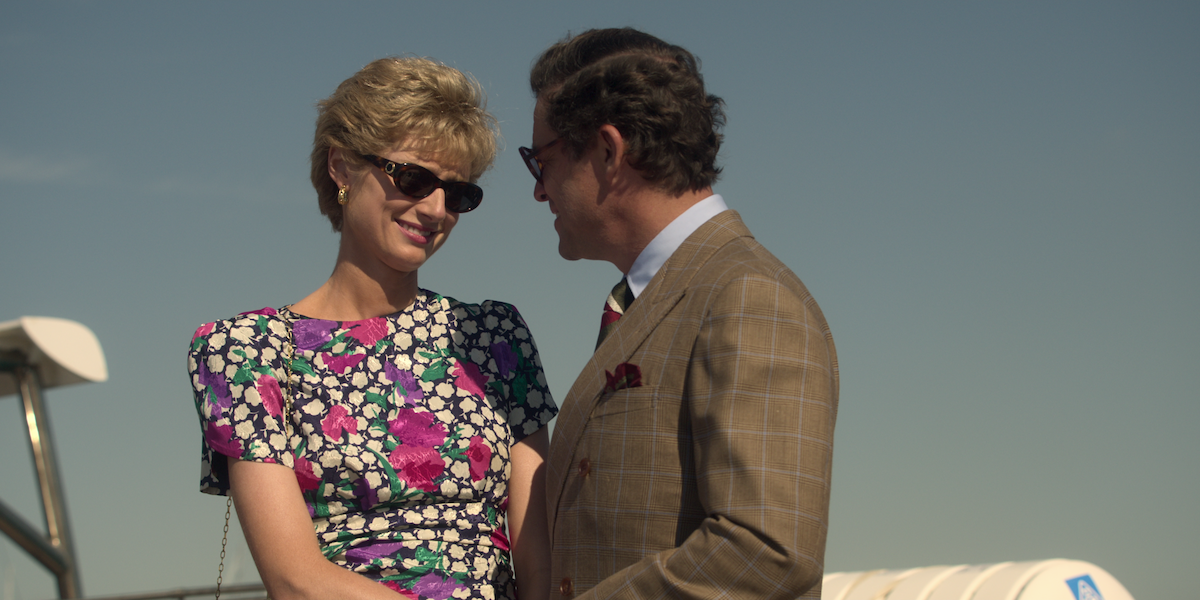
How did you and Dominic West work together to create Charles and Diana’s relationship during this period? Ironically, you don’t actually share that many scenes together.
That in itself is the story, right? We speak about each other constantly and the scenes revolve around that relationship, but how much we actually are physically in the same space is so limited.
We had quite a lot of rehearsal time together in the beginning. Not so much scene work, more big dialogues so we could really express to Peter and to our directors and producers, our thoughts and feelings so we were all on the same page about what we wanted these characters to say. And then, we went away for a long time and built these roles. We grew it separately from each other is theown only way I can express it. The joy of that slightly unusual process is [that] by the time we came together [for a major scene], we’d been embodying these characters for months and months. We had the history of everything we’d experienced within the characters.
On a really personal level, I just adore Dom. I think he’s an incredible actor. He’s just very muscular and honest and super generous as a scene partner. He’s also extremely funny, which is great for me. I find it really helpful, especially when the material is quite heavy at times, to just find ways of having a huge amount of levity away from actually doing the scene. He really made me laugh, and then when the camera was rolling, he was really beautiful and heartbreaking.
This interview has been edited for clarity and length.
Season 5 of The Crown premieres on Netflix on Nov. 9.