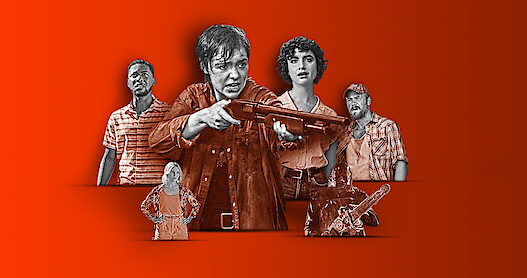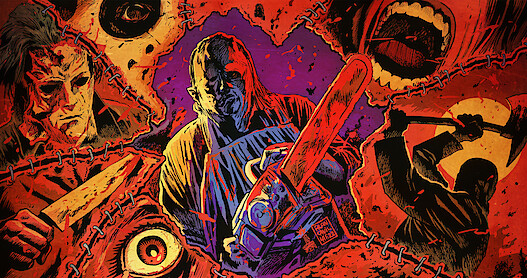
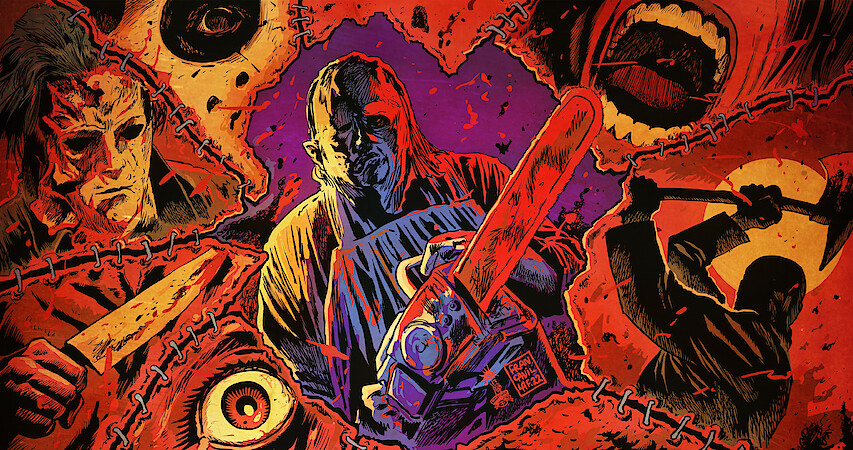
Illustration by Francesco Francavilla
Culture
There’s a Reason Horror Films Get So Many Reboots
The horror genre creates new mythologies that invite reexploration.
By H. Drew Blackburn
March 1, 2022
Blood squirts in every direction, and guts dangle from mangled torsos. Final girls outsmart serial murderers who regularly catch their victims, even if they walk at a glacial pace. Deafening screams send a jolt up your spine. For all of its tropes and exploits, the horror genre seems to lend itself to more sequels and reboots than superhero flicks. A popular horror movie is prone to more franchise updates than iOS, but why? There are plenty of reasons: Audiences simply love getting scared, quality is deeply subjective in horror, and it’s fun to see familiar faces (or masks, or masks of people’s faces) terrorize townsfolk. Plus, there’s plenty of money to be made.
When Paranormal Activity was widely released in 2009, you couldn’t go anywhere without hearing whispers of how terrifying the found-footage ghost tale really was — the type of movie that’d make a SEAL Team Six member want to sleep with a nightlight. To get people excited, the film’s distributor, Paramount Pictures, aired television spots of hysterical audience members wailing in the darkness. This mix of ingenious marketing and word of mouth made Paranormal Activity one of the most profitable films ever: Its original budget was a mere $15,000 against a $193 million worldwide box office gross.
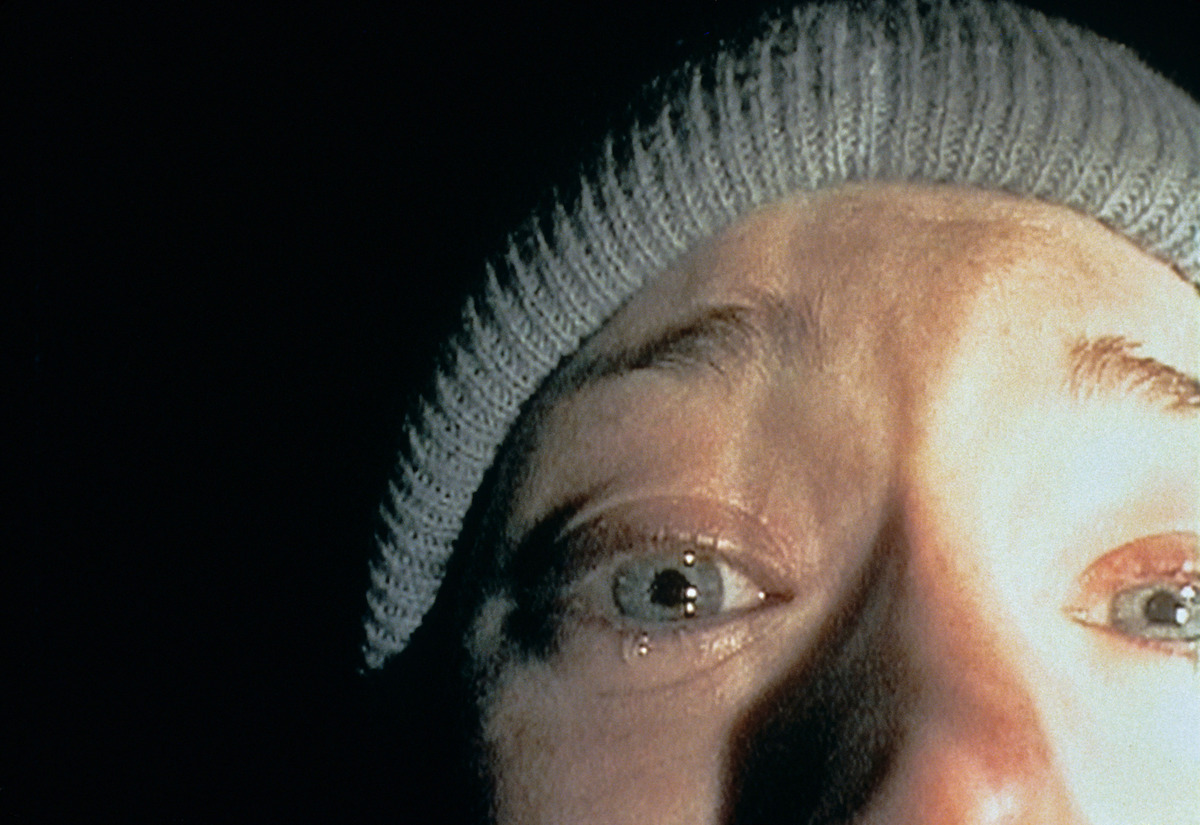
Heather Donahue in The Blair Witch Project (1999)
A decade earlier, in 1999, another found-footage horror film was released with unprecedented success — The Blair Witch Project. It wasn’t the first film of this kind; movies like 1980’s Cannibal Holocaust and 1992’s Man Bites Dog preceded it. But The Blair Witch Project set new mainstream standards of success in the subgenre. Before the advent of contemporary social media networks, many believed that the story and footage were real, blurring the line between fiction and snuff film. The influential film cost only $35,000 to make and grossed close to $250 million worldwide. These are extreme examples: Movies that perfectly take hold of the cultural zeitgeist through sincerely shocking and unnerving filmmaking done on a shoestring budget are rare, and replicating the experience of these movies in the current digital age seems unlikely. But horror films are by and large the most profitable film genre.
Unlike most summer blockbusters, horror films have comparatively tiny budgets, even the expensive ones. The 2017 version of It, the highest-grossing horror film ever, cost $35 million and earned over $700 million worldwide at the box office — that’s a profit ratio of 1,900%.
Since the original projects are so profitable, sequels and reboots are a natural next step — and there are a deluge of them. Here’s a brief rundown of how many installments make up some of the most iconic horror franchises:
Halloween: 12 Friday the 13th: 12 Hellraiser: 10 Saw: 9 A Nightmare on Elm Street: 9 Texas Chainsaw Massacre: 9 The Conjuring: 8 Paranormal Activity: 7
Lest you go around thinking any of these is the king of sequels, you have to consider the King of the Monsters: Godzilla films shape-shift between horror and action, so an asterisk might be necessary, but you can’t ignore the fact that since 1954, there have been a whopping 36 Godzilla movies.
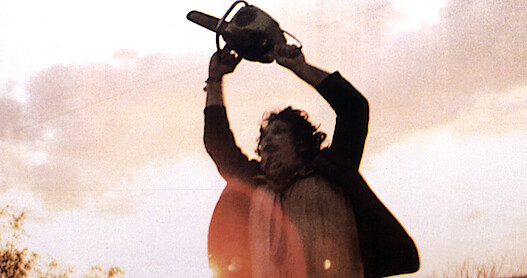
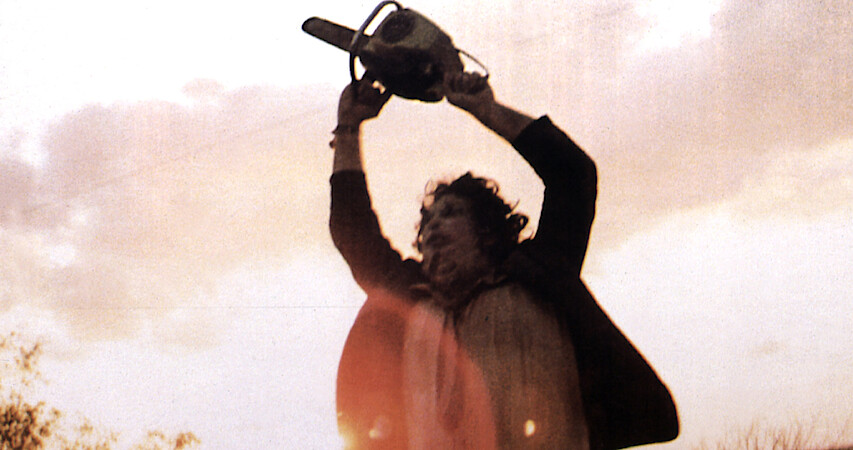
You can’t simply attribute the proliferation of sequels and reboots to finances, though. The horror genre has its own strong cult fandom. Dozens of horror film festivals take place every year around the world. In 2015, Shudder, a streaming service dedicated to the genre, was founded. Its library is full of original content, independent gems and classics. Science tells us that people like being scared because the thrills give us a rush of dopamine; the frights make us want to snuggle with our boo thing and hold them tight. But fans of the genre love that horror can be genuinely transgressive. We’re dealing with macabre themes like murder, monsters, ghosts and demons. Smaller budgets demand a higher level of ingenuity from filmmakers; this is especially true with earlier independent classics, like the original Texas Chain Saw Massacre, from 1974. The ingenuity present in horror films from decades ago is heralded, but there’s something fascinating about watching a classic mythology get updated with modern discourse and technology.
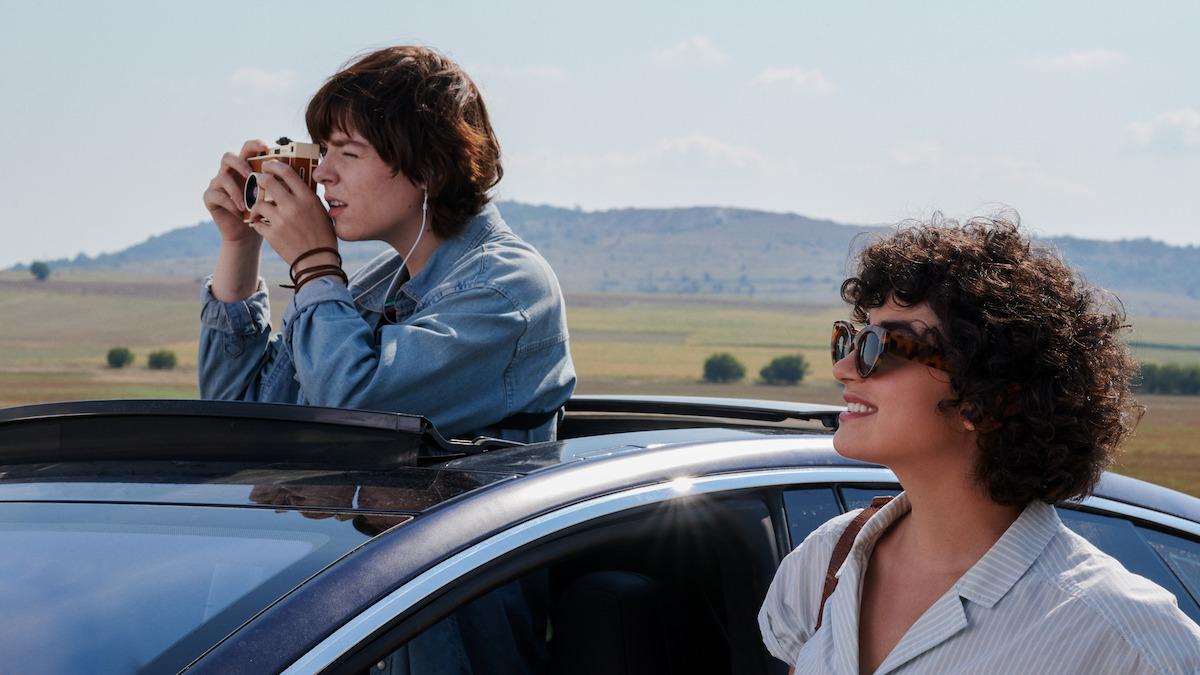
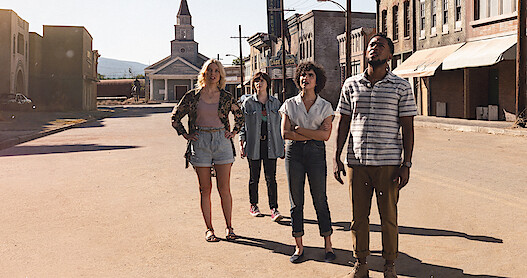
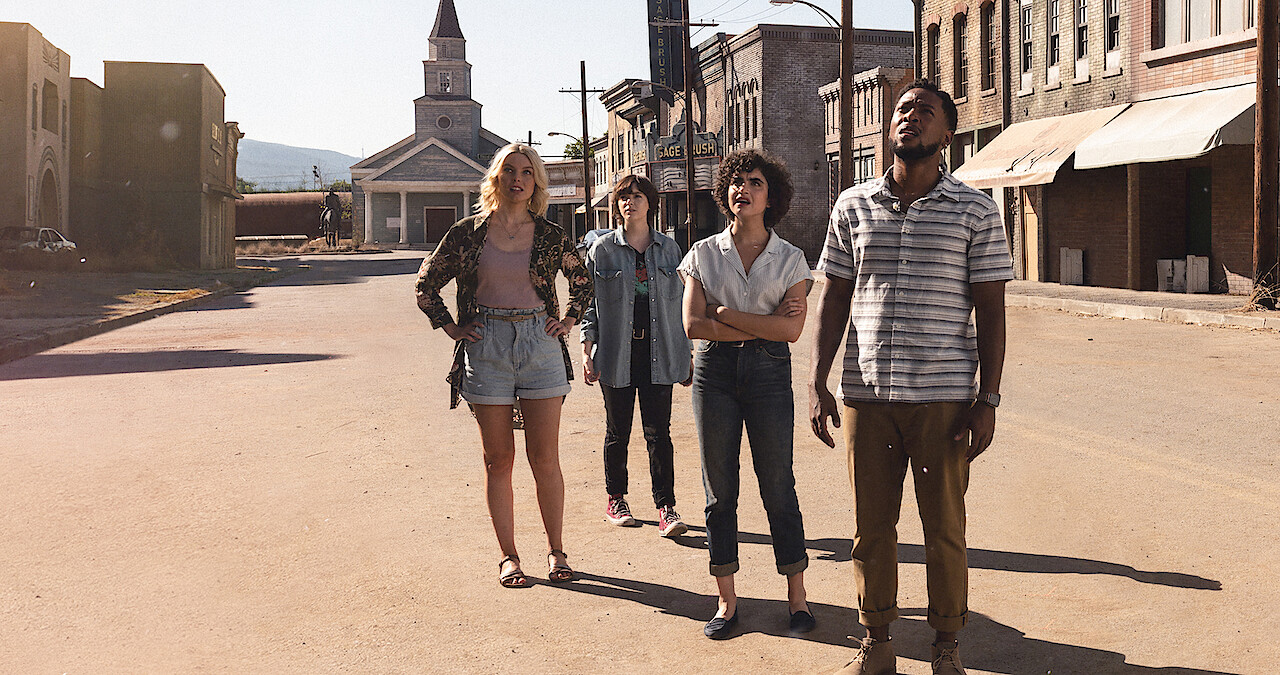
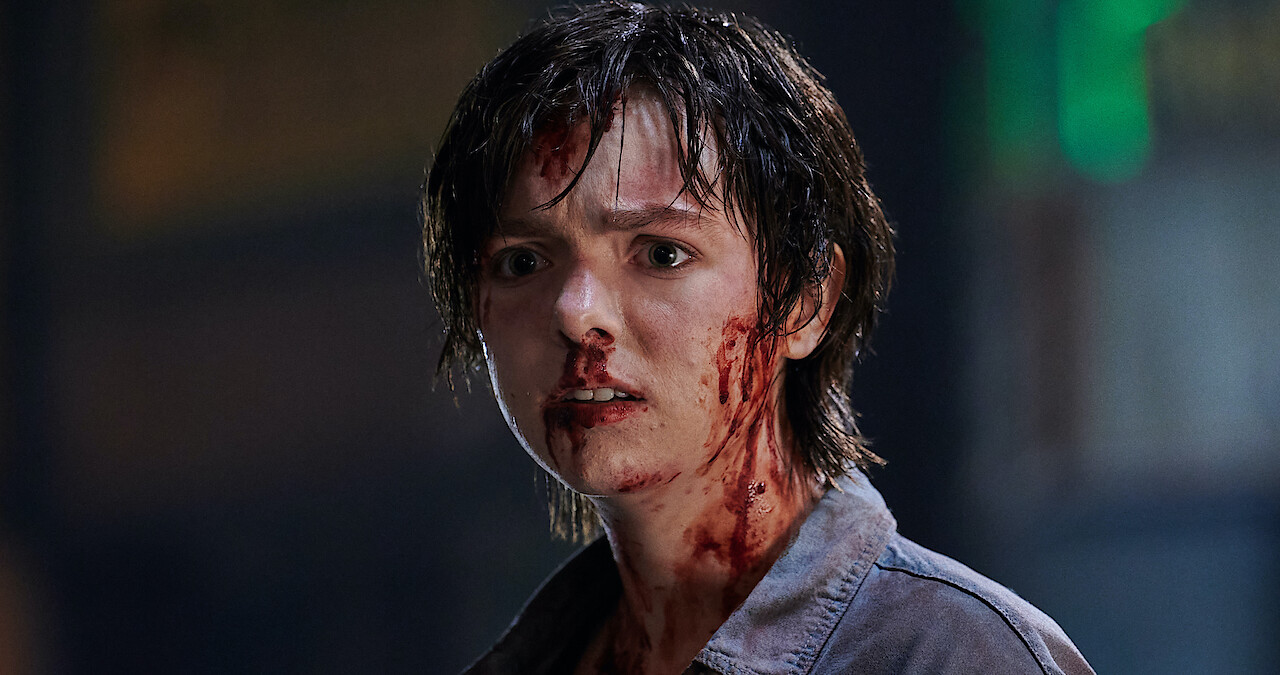
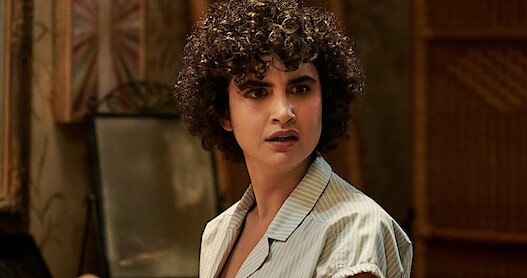
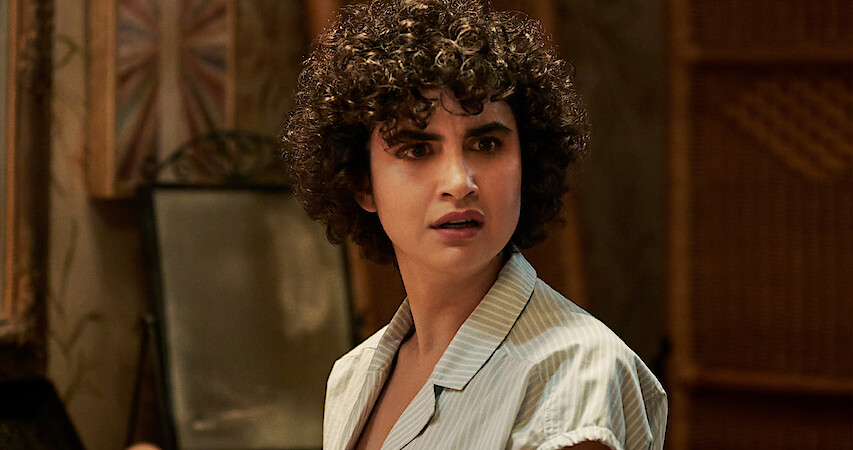
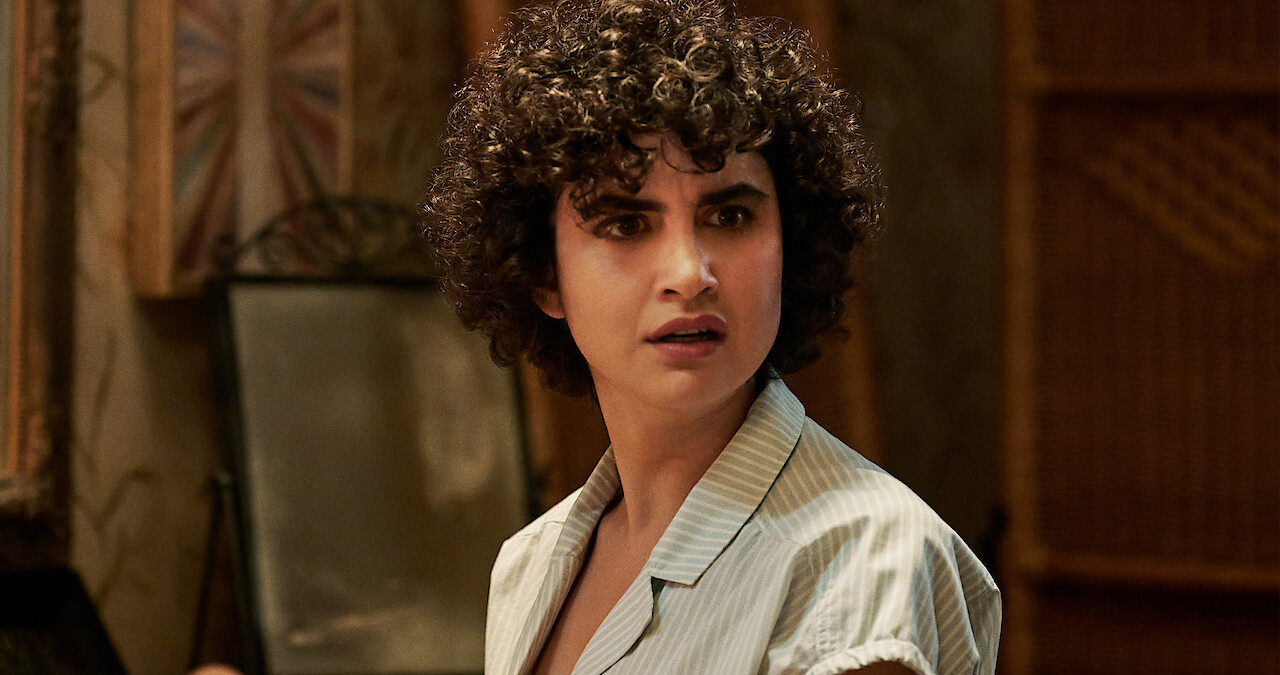
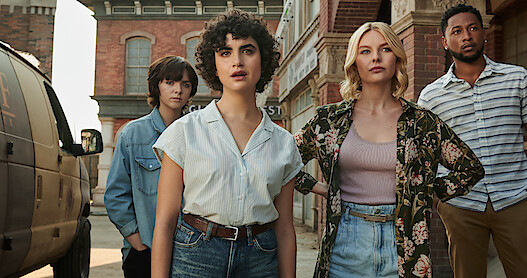
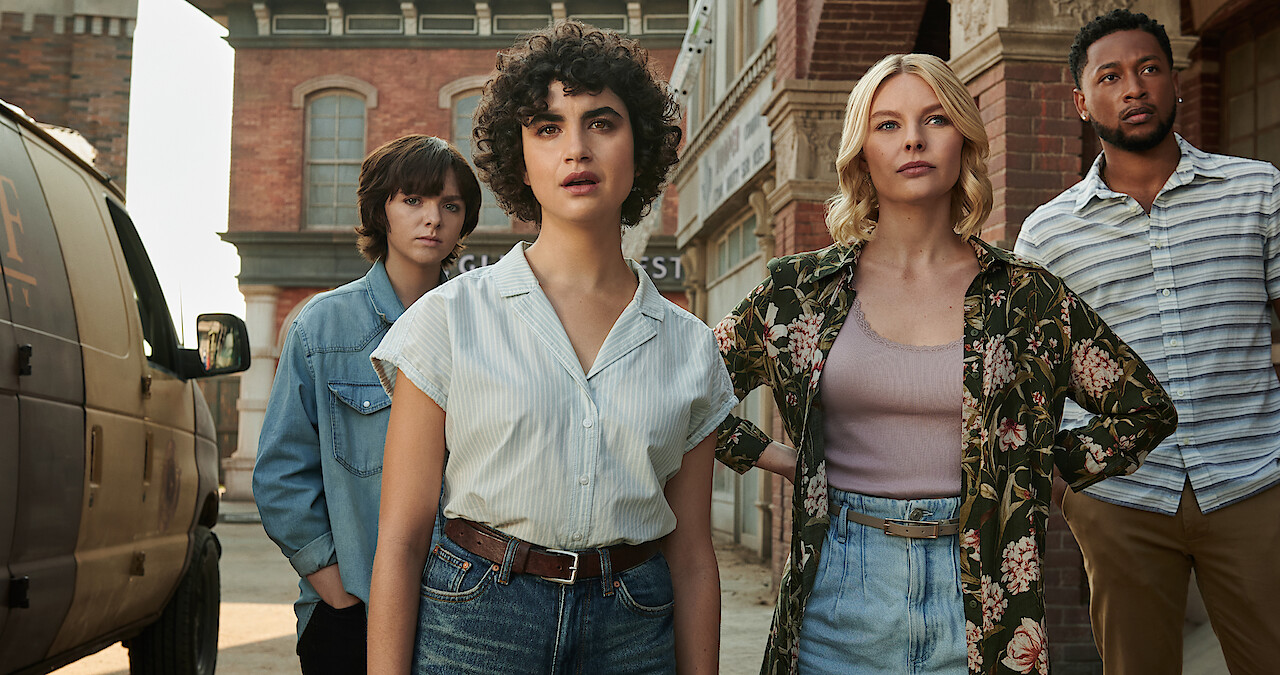
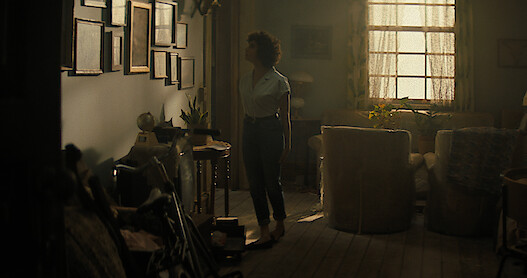
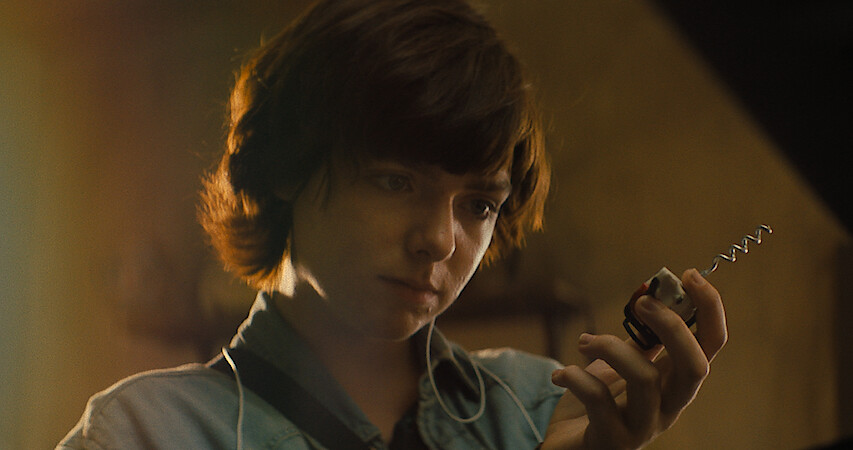
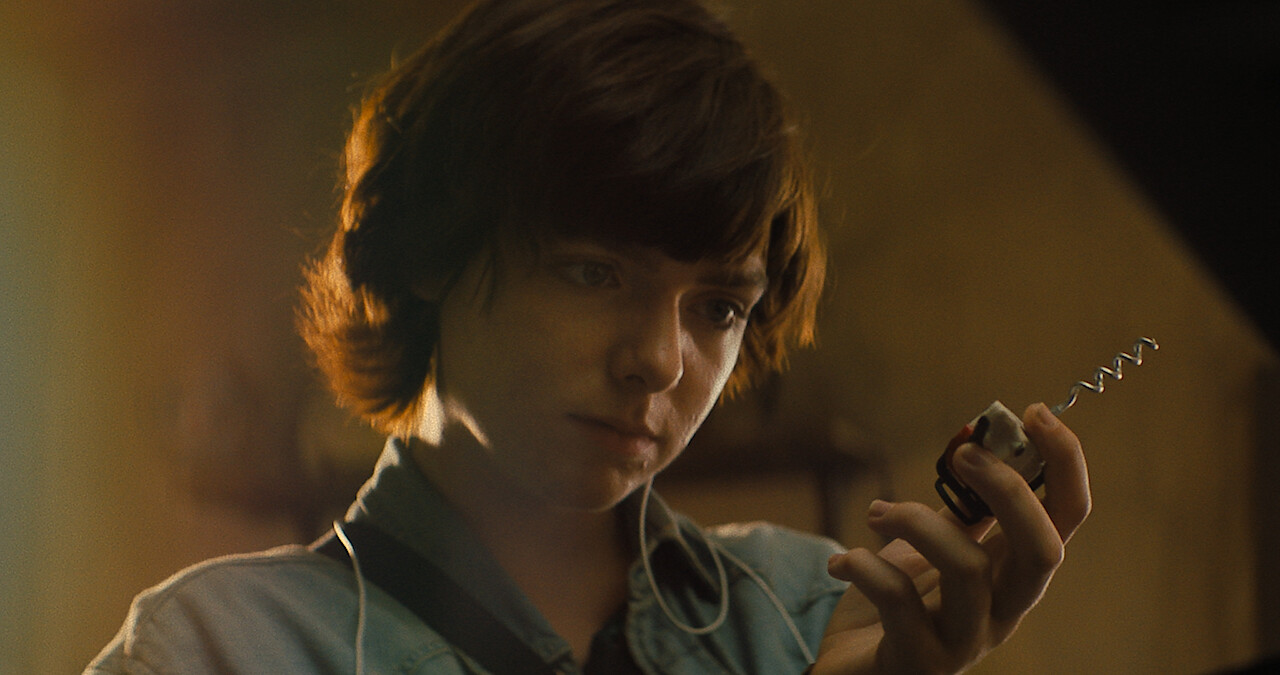
Netflix’s Texas Chainsaw Massacre, the latest installment in the franchise, deals in gentrification: Two youngish chefs attempt to buy up buildings in a sparsely populated Texas town in the hopes of creating an oasis for urbanites who seek refuge from a city’s pace. (This isn’t the same flavor of gentrification we’re used to talking about that takes place in metropolitan areas, but it isn’t uncommon and sounds a lot like Marfa.) Trauma and grief have become prevalent in mainstream discourse, and they serve as central themes in the latest Halloween films, adding realism to the franchise. Horror films have always been a platform for social critique, no matter what proponents of “prestige horror” may tell you. The Texas Chain Saw Massacre, from 1974, was an allegory for the Vietnam War, but that war is over, and we’ve got new wars, as well as a new civil rights era and a new fight for women’s liberation and equality. Horror films, at their heart, are raw explorations of evils in human nature. In this way, the genre is a real counterculture, responsible for creating mythology that stays with us through generations. They’ll always be here, creeping in the shadows, waiting for you.